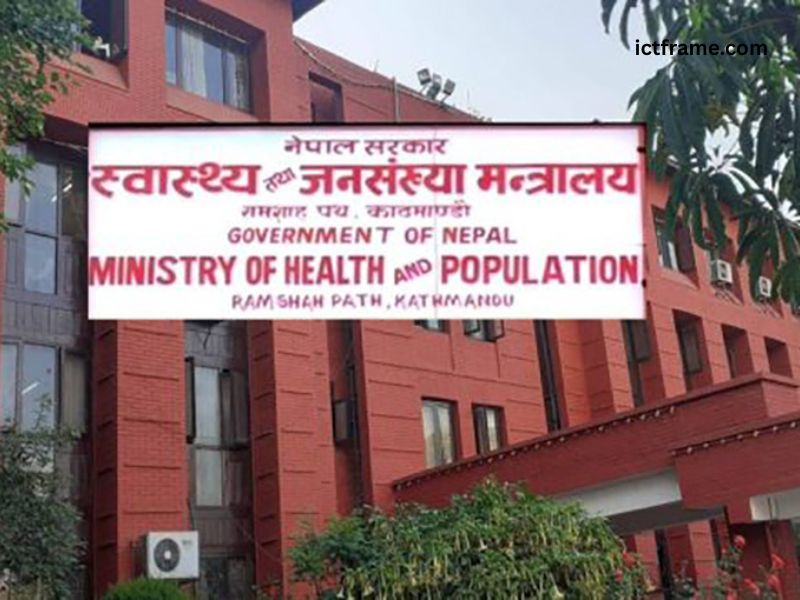
Integrated Data System Strengthened: Health Ministry Mandates Digital Submission of Ambulance and Hearse Details

Health Ministry Data Collection
3rd December 2025, Kathmandu
The Ministry of Health and Population (MoHP) has issued an urgent public notice mandating the Health Ministry Data Collection of all ambulance and hearse vehicle details operating across the nation.
Health Ministry Data Collection
This directive signals a significant push toward solidifying an integrated data system for these essential public services.

Why the Digital Mandate?
The Ministry released the notice today, urging all service providers to submit the required information to the MoHP’s designated email address by December 7th (Mangsir 21).
The primary goal is to ensure that ambulance and hearse services are effective, systematic, economical, and service-user friendly for the general public.
The collection of this data is a crucial step in strengthening the unified system. This will ultimately enhance the speed and efficiency of emergency response services nationwide.
The Need for Unified Data
Currently, various entities—hospitals, non-profits, and private companies—operate these life-saving and post-mortem transport vehicles. Without a centralized, digital repository of operational data, effective management and resource allocation remain challenging.
An integrated data system will allow the MoHP to monitor coverage, identify operational gaps, and enforce compliance with existing regulations more effectively. This digital oversight is indispensable for improving the national health infrastructure.
Focus on Digital Submission
ICTFrame readers will note the emphasis on digital submission via email. This approach facilitates a faster, standardized, and more accurate aggregation of data compared to traditional paper-based methods. Service providers must compile and submit a comprehensive list that likely includes:
-
Vehicle Registration Numbers: For unique identification and tracking.
-
Operating Institutions: The name and contact details of the service provider.
Advertisement

-
Operational Status: Confirmation of active service.
-
Vehicle Type/Category: Classification based on the Ambulance Service Directive, 2082 and Hearse Service Operation and Management Directive, 2077.
The Ministry actively expects full cooperation from all relevant institutions to meet the tight deadline. Non-compliance could lead to difficulties in licensing or operational scrutiny down the line.
Streamlining Public Services through ICT
The MoHP’s directive clearly indicates a strategic move towards leveraging Information and Communication Technology (ICT) for better governance and public service delivery. By mandating a digital submission and strengthening the integrated data system, the government is laying the groundwork for future technological implementations, such as:
Real-time Tracking and Dispatch: A central database is essential for implementing a future GPS-based tracking system for efficient dispatch.
Mobile App Integration: The data could power public-facing mobile applications, allowing citizens to quickly locate and call the nearest registered and compliant ambulance.
Data Analytics: Analyzing the compiled data will help the Ministry understand geographical distribution and average response times, enabling data-driven policy changes.
This proactive data management step is pivotal. It transforms what was a fragmented collection of services into a cohesive, monitored, and accountable national network.
Effective service requires accurate data, and the MoHP is now actively collecting the necessary digital intelligence to improve these critical operations.
The prompt adherence by service providers will dictate the pace of this much-needed technological upgrade to Nepal’s emergency transport services. The focus is squarely on modernizing service delivery through robust Health Ministry Data Collection.
For more: Health Ministry Data Collection