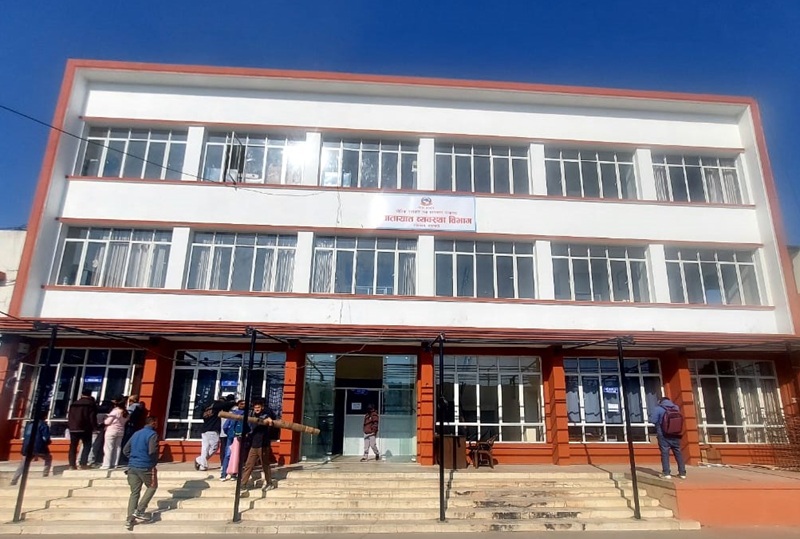
Foreign Employment Medical Fee Hike Canceled: Relief for Nepali Migrant Workers

Nepali Migrant Worker Health
21st December 2025, Kathmandu
The recent, highly controversial increase in the health examination fee for individuals seeking foreign employment has been immediately revoked.
Nepali Migrant Worker Health
This decision offers massive relief to the low-income families and aspiring migrant workers across Nepal. The full cancellation of the fee hike means that the cost of pre-departure medical screening reverts to the previous amount.
This timely government action addresses the heavy financial burden placed on the most vulnerable segment of the population. Specifically, the mandated fee for the crucial check-up for Nepali Migrant Worker Health Fee is now back to Rs 6,500.
The revocation came directly through a ministerial decision by the Minister of Labor, Employment, and Social Security, Rajendra Singh Bhandari. Minister Bhandari actively chose to scrap the increased fee, instructing health institutions to return to the old pricing structure.
This quick reversal was made following widespread public outcry and criticism from stakeholders, who argued the hike unfairly targeted Nepal’s poor and disadvantaged citizens. The minister’s intervention brings the fee back down from the inflated rate of Rs 9,500 to the original Rs 6,500.

The Timeline of the Controversial Hike
The fee structure saw a significant change earlier this year. In November 2025 (Mangsir 2081), a decision was made at the ministerial level under the former Labor Minister, Sharat Singh Bhandari, to increase the health examination fee to Rs 9,500.
This hike was part of a larger plan to expand the medical standards, which were meant to include up to 34 types of tests. Proponents argued the expanded testing was necessary to ensure better health assessments for workers, ultimately benefiting them abroad.
However, critics swiftly pointed out that many foreign employers did not even require such an extensive battery of tests, making the price increase purely an added cost.
Immediate Backlash and Suspension
The announcement of the new fee and expanded tests immediately faced intense criticism. Foreign employment agencies and worker associations led the charge, demanding an immediate withdrawal of the decision.
They emphasized that a significant portion of the cost—Rs 9,500—was solely for the medical test, which left very little margin for the service charge, often capped at Rs 10,000 for countries like Malaysia and Gulf nations. This financial imbalance was deemed unsustainable for poor workers.
Advertisement

Following the initial opposition, the implementation of the hike faced a temporary suspension. However, the increased fee was later re-activated, leading to renewed protests.
Minister Rajendra Singh Bhandari’s decisive action to cancel the fee increase on Friday, December 20, 2025, represents a significant victory for the workers.
Impact on Workers and National Economy
The cancellation directly benefits hundreds of thousands of Nepalis who annually seek work abroad. Nepali Migrant Worker Health Fee is a mandatory, initial expense. Reducing this cost lessens the financial burden on the poorest families who often take out high-interest loans just to cover initial departure costs.
-
Cost Savings: Each aspiring worker saves Rs 3,000 immediately. Collectively, this saves millions for the working-class community.
-
Reduced Debt Burden: Lowering initial costs helps reduce the indebtedness migrant workers incur before they even start earning.
-
Focus on Affordability: The move signals a renewed focus by the Ministry to prioritize the financial well-being of its citizens over potentially inflated service standards.
Minister Bhandari has actively stated that the ministry will now focus on creating a mechanism to prevent fraudulent practices and exploitation of workers, rather than introducing costly and unnecessary testing requirements.
The decision to revoke the hike and revert to Rs 6,500 is seen as a move to bring back stability and fairness to the foreign employment sector.
The government has prioritized the economic reality of its citizens and is working to ensure that the vital process of foreign employment is not unnecessarily obstructed by high initial costs. This strong, pro-worker stance is expected to garner appreciation across the foreign employment landscape.
For more: Nepali Migrant Worker Health