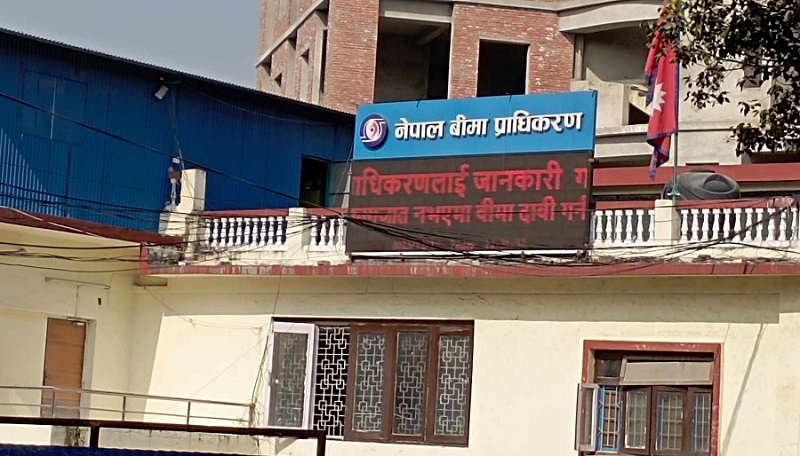
Nepal Insurance Authority Approves Audited Financial Statements of 19 Insurance Companies for FY 2081/82

28th December 2025, Kathmandu
In a major regulatory development that sets the stage for dividend season and corporate annual meetings, the Nepal Insurance Authority has officially approved the audited financial statements of 19 insurance companies for the fiscal year 2081/82. This milestone follows a rigorous and detailed review process conducted by the regulatory body to ensure that the financial health and operational conduct of these institutions align with the standards set by the Insurance Act 2079.
NIA Approves Audited Statements
The approved list includes a diverse mix of 10 life insurance providers, 6 non life insurance companies, and 3 micro insurance institutions. This transparency is vital for maintaining the trust of policyholders and providing clear data to investors within the Nepalese capital market.

REGULATORY FRAMEWORK UNDER THE INSURANCE ACT 2079
The approval process is not merely a formality but a mandatory legal requirement under the Insurance Act 2079. According to the act, every licensed insurer must prepare and submit audited balance sheets and profit and loss statements within six months of the commencement of a new fiscal year. The Nepal Insurance Authority evaluates these documents to ensure they meet the prescribed accounting standards and statutory compliance provisions. This oversight ensures that insurance companies maintain sufficient reserves to honor future claims and that their reported profits are accurate and verifiable. For the 19 companies that have received approval, this signals a clean bill of health regarding their financial disclosures.
LIST OF APPROVED LIFE INSURANCE COMPANIES
The life insurance segment saw the highest number of approvals, with 10 major players receiving the green light. These companies include Nepal Life Insurance Company Limited, which remains a market leader, along with Citizen Life Insurance, IME Life Insurance, and Sanima Reliance Life Insurance. Other notable institutions on the list are National Life Insurance, Prabhu Mahalaxmi Life Insurance, Sun Nepal Life Insurance, Reliable Nepal Life Insurance, Suryajyoti Life Insurance, and LIC Nepal Limited. These companies can now proceed with their planned dividend distributions and schedule their respective Annual General Meetings, which are highly anticipated by shareholders looking for returns on their investments.
PROGRESS IN THE NON LIFE AND MICRO INSURANCE SECTORS
In the non life insurance category, 6 companies were granted approval for their audited statements. This group includes IGI Prudential Insurance, Siddhartha Premier Insurance, Shikhar Insurance, Sagarmatha Lumbini Insurance, Nepal Insurance Company, and NLG Insurance. These entities are responsible for managing risks across various sectors, including motor, property, and health. Furthermore, the Authority approved statements for 3 micro insurance companies: Guardian Micro Life, Protective Micro Insurance, and Liberty Micro Life. The approval of micro insurance financials is particularly significant as it reflects the growing formalization of insurance services for low income and underserved populations in rural Nepal.
Advertisement

THE CURRENT LANDSCAPE OF LICENSED INSURERS IN NEPAL
As of the latest regulatory data, the insurance market in Nepal is composed of 37 licensed companies. This total includes 14 life insurance companies, 14 non life insurance companies, 7 micro insurance companies, and 2 specialized reinsurance companies. With 19 companies having already received their audited statement approvals, the rest of the industry is expected to follow suit in the coming weeks. The timely approval of these financial documents is a prerequisite for any significant corporate action, such as capital management decisions or changes in leadership. It also provides the public with an updated look at the overall solvency and competitive positioning of individual firms.
IMPACT ON INVESTOR CONFIDENCE AND MARKET STABILITY
The role of the Nepal Insurance Authority in supervising these financial disclosures cannot be overstated. By enforcing strict adherence to reporting timelines and accounting accuracy, the Authority strengthens the accountability of the entire sector. Market participants and investors rely on these approved statements to make informed decisions about buying or selling shares. When a company’s financials are formally approved, it reduces the risk of fraud and ensures that the reported data reflects the true economic reality of the firm. This systemic transparency is a cornerstone of a healthy and sustainable insurance market that can withstand economic fluctuations and fulfill its social mission of protection.
NEXT STEPS FOR THE APPROVED INSURANCE COMPANIES
For the 19 companies that have crossed this regulatory hurdle, the immediate next steps involve finalizing their dividend proposals and holding their Annual General Meetings. These meetings are the primary platform where shareholders can interact with the management, ask questions about the company’s performance, and vote on future strategies. Additionally, these companies will now focus on meeting their business targets for the current fiscal year, using the approved data as a baseline for future growth. The successful completion of this audit cycle allows the management of these firms to pivot their attention toward service innovation and expanding their insurance coverage across the 77 districts of Nepal.
CONCLUSION AND REGULATORY OUTLOOK
In conclusion, the approval of the audited financial statements for 19 insurance companies for the fiscal year 2081/82 is a positive indicator for the financial sector of Nepal. It demonstrates that a significant portion of the industry is operating in compliance with the high standards of the Insurance Act 2079. As the Nepal Insurance Authority continues its oversight, the focus remains on protecting consumer interests and promoting financial discipline. This milestone not only benefits the companies and their shareholders but also ensures that the policyholders remain protected by financially stable and transparent institutions.
For More: NIA Approves Audited Statements