Nepal Oil Corporation Competitiveness and the Call for Institutional Reform

11th January 2026, Kathmandu
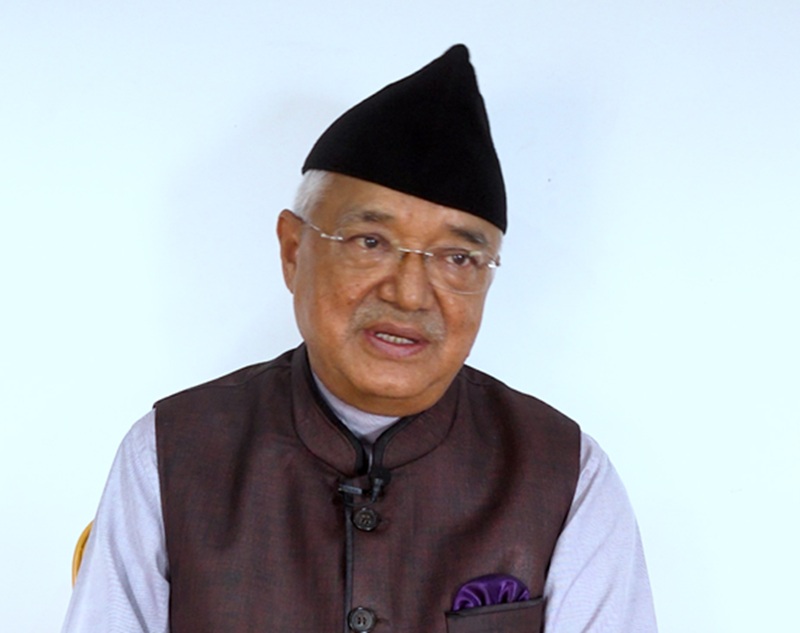
Nepal Oil Corporation Competitiveness has emerged as a key policy concern as the government pushes for stronger institutional performance, improved governance, and better service delivery in the petroleum sector. Addressing the 56th anniversary of Nepal Oil Corporation, Minister for Industry, Commerce and Supplies Anil Kumar Sinha emphasized the urgent need for the state-owned enterprise to become more capable, efficient, and competitive in a rapidly evolving market environment.
Nepal Oil Corporation Competitiveness
Nepal Oil Corporation plays a critical role in the country’s economy as the primary institution responsible for the import, storage, and distribution of petroleum products. For decades, the corporation has operated under a monopolistic structure. However, Minister Sinha clearly stated that reliance on monopoly advantages alone is no longer sufficient for sustainable institutional growth. According to him, the corporation must now demonstrate higher levels of professionalism, accountability, and operational excellence.

Strengthening Institutional Governance
A major pillar of Nepal Oil Corporation Competitiveness is the reinforcement of institutional governance. Minister Sinha stressed that strong corporate governance practices are essential for long-term stability and public trust. He underlined the importance of transparency in decision-making processes and reiterated the government’s commitment to zero tolerance toward corruption.
Good governance, according to the minister, is not optional but a foundational requirement for any public enterprise seeking to remain relevant and effective. Strengthening internal control systems, improving financial discipline, and ensuring compliance with regulatory standards were highlighted as essential steps toward institutional reform.
Moving Beyond Monopoly Advantages
Nepal Oil Corporation Competitiveness also depends on its ability to function efficiently without depending solely on its monopoly in petroleum imports and distribution. Minister Sinha cautioned that institutional complacency could hinder innovation and service improvement. He urged the corporation to adopt a market-oriented mindset, improve customer service standards, and enhance operational efficiency.
In an increasingly interconnected and competitive global energy market, public enterprises must be prepared to adapt. The minister’s remarks indicate a policy direction that encourages Nepal Oil Corporation to benchmark itself against competitive organizations, even within a regulated framework.
Advertisement

Improving Service Delivery Nationwide
Chairperson of the Nepal Oil Corporation Board and Commerce Secretary Dr. Ram Prasad Ghimire emphasized that service delivery must align with the demands of the time. He noted that the public expects reliable, timely, and efficient petroleum supply across the country. Enhancing logistical capabilities, reducing supply disruptions, and improving coordination across distribution networks were identified as key priorities.
Executive Director Chandika Prasad Bhatt reaffirmed the corporation’s commitment to ensuring uninterrupted petroleum supply nationwide. He stated that Nepal Oil Corporation remains dedicated to meeting national energy needs despite logistical and infrastructural challenges.
Strategic Importance for the National Economy
Nepal Oil Corporation Competitiveness has broader implications for the national economy. Petroleum products are essential inputs for transportation, industry, agriculture, and daily household activities. Any inefficiency within the corporation can directly affect inflation, economic productivity, and public welfare.
By strengthening governance, enhancing competitiveness, and improving service delivery, Nepal Oil Corporation can contribute more effectively to economic stability and growth. Institutional reform within the corporation also aligns with the government’s broader agenda of improving the performance of state-owned enterprises.
Conclusion
Nepal Oil Corporation Competitiveness is no longer a theoretical discussion but a practical necessity. The clear directives from the Industry, Commerce and Supplies Minister reflect a shift toward accountability, transparency, and performance-driven management. As the corporation moves forward, its ability to implement institutional reforms, uphold good governance, and deliver reliable services will determine its relevance in the changing energy landscape of Nepal.
The 56th anniversary message serves as both a reflection on past achievements and a roadmap for future transformation. If effectively implemented, these reforms can position Nepal Oil Corporation as a stronger, more competitive, and more trusted public institution.
For More: Nepal Oil Corporation Competitiveness