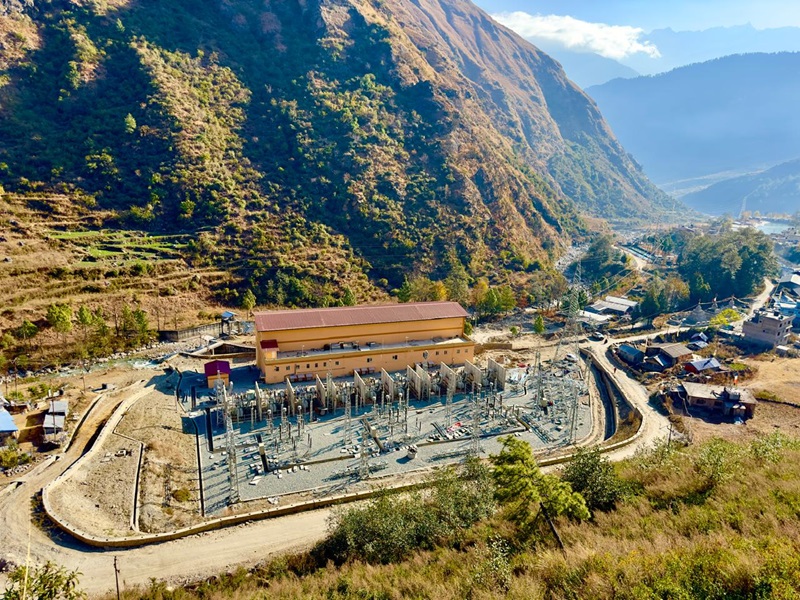
National Forest Use Approval Granted to Four Hydropower Projects

27th January 2026, Kathmandu
Nepal has taken a decisive leap toward its renewable energy goals with the official granting of National Forest Use Approval for four major hydropower projects. The decision, reached during a high-level Cabinet meeting at the Prime Minister’s residence in Baluwatar, clears long-standing regulatory hurdles and underscores the government’s intent to prioritize infrastructure development alongside environmental conservation. This approval is a vital prerequisite for construction, as these projects are situated within protected or regulated forest areas that require specific legal exemptions to allow for tunnels, transmission lines, and access roads.
National Forest Use Approval
Government Spokesperson and Minister for Home Affairs, Om Prakash Aryal, announced that the Cabinet has authorized the use of national forest land for the Sutikola, Tamakoshi-5, Upper Sankhuwasabha, and Setikhola hydropower projects. This move is expected to unlock billions of rupees in stalled investments and fast-track the integration of these projects into the national grid.

Overview of the Approved Hydropower Projects
The four projects represent a diverse mix of public and private sector initiatives, each contributing to the diversification of Nepal’s energy portfolio.
Tamakoshi Fifth Hydropower Project (99.8 MW) Located in the Dolakha district of Bagmati Province, this project is designed as a cascade of the iconic Upper Tamakoshi Project. Since it utilizes the tailrace water from the larger upstream plant, it does not require a separate dam or desander, significantly reducing its environmental footprint. However, its tunnels pass through the Gaurishankar Conservation Area, making this forest use approval critical for its completion.
Sutikola Hydropower Project The Sutikola project is a run of river initiative aimed at harnessing the energy potential of local river systems. Like many smaller projects in the Himalayan foothills, its development relies on accessing remote forested terrain to build penstock pipes and powerhouses.
Upper Sankhuwasabha Hydropower Project (40 MW) This project is situated in the Sankhuwasabha district, a region emerging as a powerhouse for Nepalese energy. The approval allows the developers to proceed with clearing transmission corridors and building essential access roads through rugged forest land.
Setikhola Hydropower Project (22 MW) Being developed in the Kaski district of Gandaki Province, this project has already achieved significant physical progress. The official forest use approval ensures that the final stages of transmission line construction and power evacuation can proceed without legal challenges from environmental authorities.
The Regulatory Significance of Forest Land Use
In Nepal, forest land is governed by the Forest Act and the National Parks and Wildlife Conservation Act. Developing infrastructure within these zones is traditionally difficult due to the mandatory requirement for compensatory afforestation—where developers must plant a specific number of trees for every one they cut down.
The National Forest Use Approval acts as a legal bridge, ensuring that:
Advertisement

Permanent Infrastructure: Tunnels and powerhouses can be built on government land.
Transmission Corridors: High voltage lines can pass through forest canopies.
Compliance: Developers adhere to Environmental Impact Assessment (EIA) guidelines, including reforestation plans and biodiversity protection measures.
Strategic Economic and Energy Impacts
The Cabinet’s decision is expected to have far reaching impacts on the Nepalese economy. By clearing the path for nearly 200 MW of combined capacity, the government is addressing the seasonal energy deficit that often forces Nepal to import electricity from India during the dry winter months.
Reduced Energy Imports: Increased domestic capacity translates to higher energy security and lower foreign exchange outflow.
Investment Confidence: Clear regulatory approvals signal to domestic and foreign investors that the government is proactive in resolving inter-departmental conflicts between the Ministry of Energy and the Ministry of Forests.
Rural Development: Hydropower projects often bring roads, schools, and medical facilities to the remote forest areas where they are situated.
Leadership Transition at the Nepal Insurance Authority
In addition to the energy sector decisions, the Cabinet addressed key administrative vacancies. Chandrakala Paudel, the Secretary at the Ministry of Federal Affairs and General Administration, has been appointed as the Acting Chairperson of the Board of Directors of the Nepal Insurance Authority. This appointment ensures that the insurance regulator continues to function effectively following the departure of previous leadership. Minister Om Prakash Aryal noted that Paudel would serve in this capacity until a permanent arrangement is made, providing stability to the financial sector.
Conclusion
The granting of National Forest Use Approval for these four hydropower projects is a landmark moment for Nepal’s energy sector. By balancing the urgent need for electricity with the necessity of forest preservation, the government is fostering a sustainable path to economic prosperity. As the Sutikola, Tamakoshi-5, Upper Sankhuwasabha, and Setikhola projects move into their next phases of construction, they represent the future of a green, self reliant Nepal.
For More: National Forest Use Approval