World Bank Approves $95M to Fuel Nepal’s SME Growth and Financial Inclusion

4th February 2026, Kathmandu
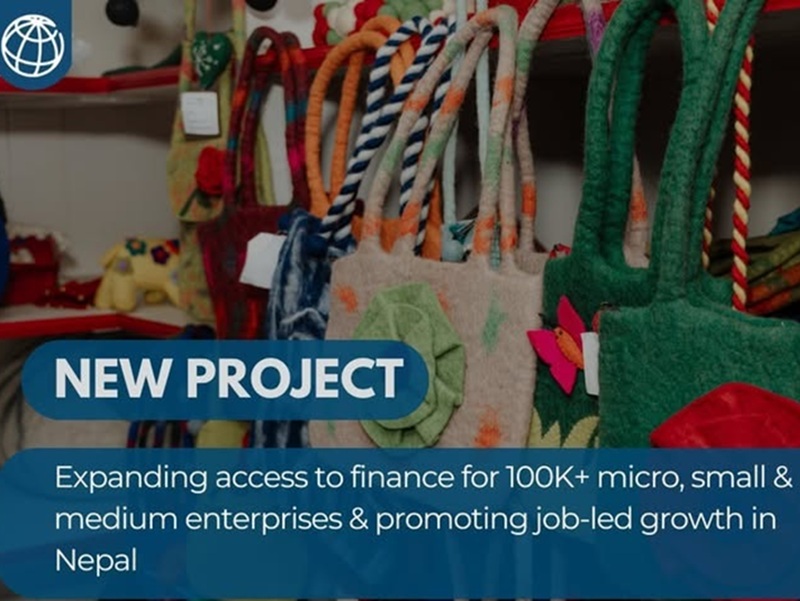
In a major move to bolster the Nepalese economy, the World Bank’s Board of Executive Directors has approved a $95 million operation dedicated to the Sustainable and Inclusive Finance (SIF) Project.
World Bank Approves $95M
This initiative aims to bridge the financing gap for over 100,000 small and medium enterprises (SMEs), driving job creation and private sector-led growth across Nepal.

Empowering the Backbone of Nepal’s Economy
Small and Medium Enterprises (SMEs) contribute significantly to Nepal’s GDP and employment but have historically faced steep hurdles in accessing formal credit. The SIF project targets these “missing middle” businesses by addressing systemic barriers such as inadequate collateral and limited credit histories.
“By easing access to finance and reducing transaction barriers, the operation will broaden financial inclusion and support the integration of MSMEs into regional and global value chains.” — David Sislen, World Bank Country Division Director.
Key Pillars of the $95 Million Operation
The project focuses on two primary financial infrastructures to modernize the lending landscape for Nepalese entrepreneurs:
Advertisement

| Feature | Focus Area | Objective |
| DCGF Strengthening | Deposit and Credit Guarantee Fund | Expand risk-sharing, introduce women-led business products, and upgrade MIS for faster claims. |
| CIBN Modernization | Credit Information Bureau of Nepal | Integrate alternative data sources and enhance security to help lenders better assess risk. |
| Inclusive Growth | Underserved Segments | Specific focus on women-led businesses and enterprises in remote regions. |
Strategic Alignment and Reform
The SIF project is not a standalone effort; it is a calculated continuation of the Financial Sector Stability and Finance for Growth series concluded in 2024. It also aligns with the Government of Nepal’s Second Financial Sector Development Strategy, ensuring that the reform is rooted in national policy.
Sabin Raj Shrestha, Senior Financial Sector Specialist and Task Team Leader, emphasized that the shift toward risk-based pricing and first-loss coverage will fundamentally change how the DCGF operates, making it a more robust safety net for lenders and a gateway for borrowers.
Why This Matters for Nepal
Job Creation: By funding 100,000+ SMEs, the project directly stimulates the labor market.
Global Integration: Helps MSMEs meet the standards required to join international trade networks.
Data-Driven Lending: Moving away from strictly collateral-based lending toward credit-score-based lending.
For more: World Bank Approves $95M