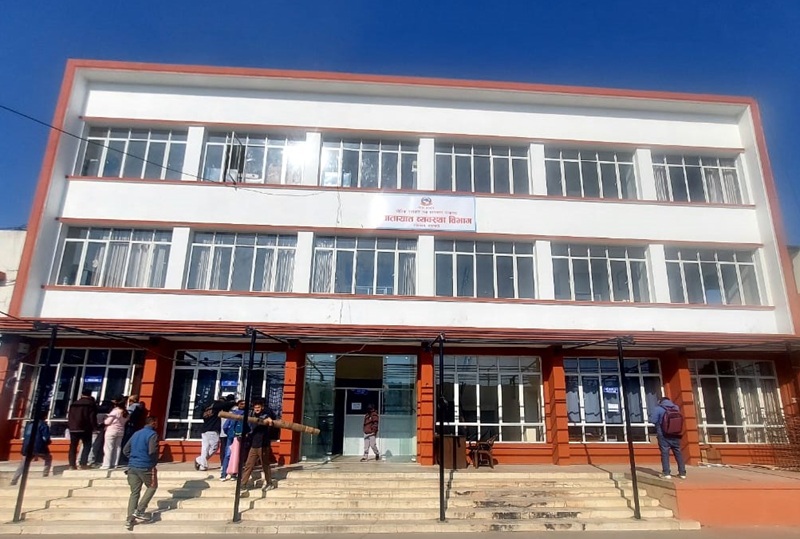
Insurance payment backlog Nepal triggers Prime Ministers’ meeting

4th February 2026, Kathmandu
A critical financial crisis has engulfed Nepal’s National Health Insurance Program (NHIP), as the payment backlog owed to healthcare institutions surpassed 10 billion rupees in early 2026. This mounting debt has pushed the country’s public healthcare infrastructure to a breaking point, prompting high-level government intervention led by Prime Minister Sushila Karki. With major state-run facilities like the Tribhuvan University Teaching Hospital (TUTH) and Bir Hospital warning of service suspensions or already halting insurance-based care, the government is racing to implement radical cost-containment measures to save the national scheme from collapse.
Insurance payment backlog
The crisis highlights a fundamental imbalance in the system’s design: while the program covers over 10 million people, the annual expenditure of 24 billion rupees far exceeds the current total income of 14 billion rupees.

Understanding the Insurance Payment Backlog in Nepal
The insurance payment backlog in Nepal is the result of a “funding crunch” exacerbated by administrative delays. As of Magh 2082 (January/February 2026), the Health Insurance Board (HIB) owes approximately 10.5 billion rupees to over 500 health facilities nationwide.
Primary Causes of the Backlog:
Funding Gap: For the current fiscal year, the government allocated a grant of 10 billion rupees, while premium collections contributed another 4 billion. However, monthly claim obligations average 2 billion rupees, leading to an annual shortfall of 10 billion.
Verification Bottlenecks: The HIB receives between 30,000 to 40,000 claims daily but has the manpower to verify only about 7,000. This has resulted in a massive buildup of millions of unverified claims.
High Claim Rejection Rates: Hospitals like TUTH report that up to 50 percent of their claims are rejected by the Board due to technical errors, leading to monthly losses and discouraging hospitals from continuing the service.
Drastic Reduction in OPD Service Limits
In an effort to stabilize the financial situation, the Health Insurance Board has introduced a controversial new ceiling for Outpatient Department (OPD) services. Effective from February 13, 2026 (Falgun 1, 2082), the previous unlimited OPD access under the 100,000 rupee total package has been restricted.
New OPD Coverage Rules:
Ceiling: Each insured family is now limited to a maximum of 25,000 rupees per year for OPD consultations and services.
Rationale: OPD services currently account for 71 percent of the Board’s total expenditure. Officials believe this sub-limit is the only way to ensure the program remains sustainable in the short term.
Advertisement

Impact: While emergency and inpatient (IPD) services still maintain the 100,000 rupee limit, the OPD cap is expected to increase out-of-pocket expenses for chronic patients requiring frequent consultations.
Prime Minister’s All-Party Intervention
Recognizing the potential for widespread public unrest, Prime Minister Sushila Karki has called for an all-party and multi-stakeholder meeting at Singha Durbar on Wednesday, February 4, 2026. The meeting aims to bridge the trust gap between the Ministry of Finance, the Ministry of Health, and the service-providing hospitals.
Meeting Objectives:
Immediate Funding: Seeking permission to transfer at least 1 billion rupees as an emergency measure to resume services at TUTH and other major hospitals.
Reform Agenda: Discussing “six major reform points” proposed by Health Minister Dr. Sudha Sharma Gautam, which include premium restructuring and better claim automation.
System Integrity: Addressing the issue of fraudulent or unnecessary claims that have drained the insurance fund.
Exemptions for Critical and Chronic Illnesses
Amid the news of service cuts, the Board has emphasized that the most vulnerable patients will remain protected. Coverage for eight specific categories of serious illnesses—including cancer, kidney failure, and heart disease—will continue under the existing Schedule 6 provisions. These critical care pathways are exempt from the new 25,000 rupee OPD cap, ensuring that life-saving treatments like dialysis and chemotherapy are not interrupted by the budget crisis.
Future Outlook of National Health Insurance
The insurance payment backlog in Nepal serves as a wake-up call for the sustainability of universal health coverage. While the current measures are “short-term solutions” to a “critical financial situation,” experts suggest that the long-term survival of the NHIP depends on increasing the enrollment of healthy, young populations to balance the risk pool and adopting real-time digital claim processing.
If the government fails to clear the 10 billion rupee debt, the vision of “Health for All” may remain an unfulfilled promise, as more private and community hospitals move to exit the national scheme.
Conclusion
The 10 billion rupee insurance payment backlog in Nepal is more than a financial hurdle; it is a systemic crisis that threatens the health security of millions. The reduction in OPD coverage to 25,000 rupees and the Prime Minister’s emergency stakeholder meeting are desperate but necessary steps to keep the program afloat. As the government seeks a balance between fiscal responsibility and public welfare, the outcomes of the February 4 meeting will determine whether the NHIP can be reformed or if it will face a slow decline.
For More: Insurance payment backlog