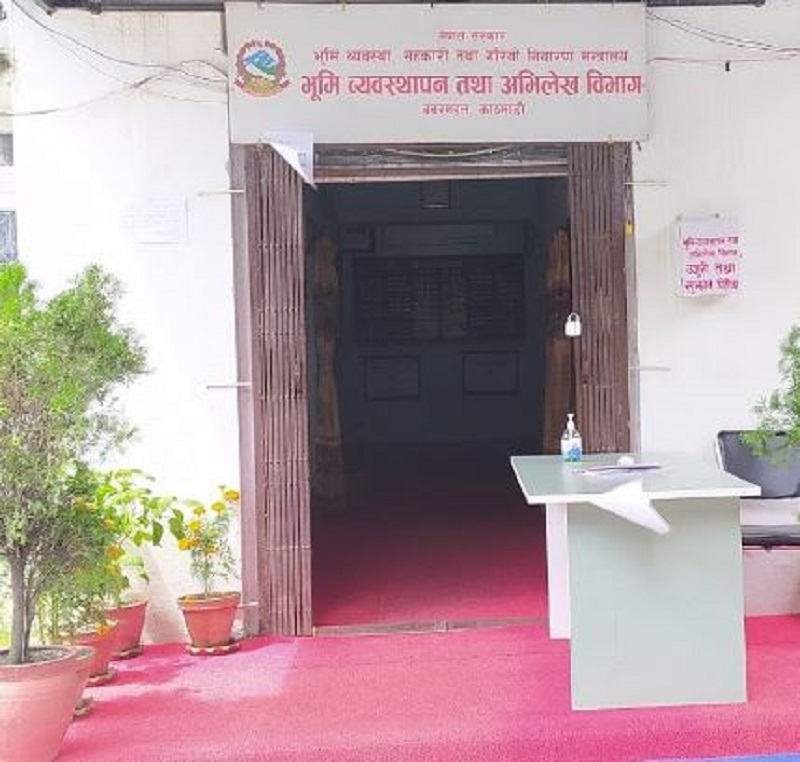
Real estate license mandatory Nepal: What You Need to Know

24th February 2026, Kathmandu
The landscape of property transactions in Nepal has undergone a transformative shift as the government officially enforces the real estate license mandatory Nepal policy. This directive, issued by the Department of Land Management and Records under the Ministry of Land Management, Cooperatives, and Poverty Alleviation, marks the end of an era of unregulated middleman activities. For decades, the Nepalese real estate market functioned largely through informal networks of brokers who operated without formal registration or accountability. Under the new legal framework, however, any individual or corporate entity wishing to engage in buying, selling, brokering, or mediating land and house transactions must possess a valid government issued license. This move is designed to professionalize the industry, ensure tax compliance, and protect the interests of ordinary citizens who often invest their life savings into property.
Real estate license mandatory
The primary motivation behind making a real estate license mandatory is the rising tide of consumer grievances. The Department of Land Management and Records has noted an increase in reports involving fraudulent documentation, double sales of the same plot, and the collection of illegal advance payments by unauthorized agents. In many cases, these informal brokers disappeared once a dispute arose, leaving the buyer and seller with no legal recourse. By mandating a license, the government is creating a central database of accountable operators. Licensed firms are now required to maintain transparent records of their transactions and follow ethical codes of conduct. Any business or person found advertising real estate services or collecting fees without this authorization is now subject to severe penalties, including heavy fines and potential imprisonment under the prevailing land and consumer protection laws.
For the general public, the real estate license mandatory Nepal initiative provides a much needed safety net. Consumers are now urged to verify the license status of any agent or firm before initiating any financial dialogue. The government has made this verification process easy by publishing and regularly updating the list of authorized companies on the official department website. Currently, 36 pioneering firms have secured their licenses, including well known names such as Himalayan Realtors, Continental Real Estate, and Ruby Crown Properties. When a buyer works with a licensed firm, they are not just paying for a service but are ensuring that the entire transaction path—from title verification to the final deed registration at the Malpot office—follows the correct legal procedure. This reduces the risk of land ownership disputes, which are notoriously long and costly in the Nepalese judicial system.
From a macroeconomic perspective, the formalization of the real estate sector is a significant boost for the national economy. Historically, a large portion of the commissions earned in property deals remained in the informal economy, bypassing the tax net. The new licensing system requires real estate companies to be registered with the Inland Revenue Department and to issue formal bills for their services. This integration into the formal economy ensures that the government can collect appropriate taxes while also monitoring the flow of capital within the sector. It also helps in implementing anti money laundering (AML) protocols, as licensed brokers are now required to perform due diligence on the source of funds for high value transactions. This aligns Nepal’s real estate practices with international standards, making the market more attractive for institutional and foreign investors.
Advertisement

The strategic importance of this policy also extends to urban planning and land use management. Licensed real estate agents are expected to be better informed about the local zoning laws, land use categories, and the specific building codes of various municipalities. When an authorized firm handles a sale, they are more likely to provide accurate information about whether a piece of land is classified as residential, agricultural, or commercial. This prevents situations where unsuspecting buyers purchase land that is legally restricted from development. Furthermore, the Department of Land Management and Records intends to provide specialized training to licensed holders, ensuring they are well versed in the digital land record systems that are being rolled out across the country.
Property buyers and sellers are advised to adopt a proactive approach in this new environment. The department has issued a list of key guidelines to follow. First, always ask to see the physical license or the digital registration number of the broker. Second, ensure that all service fees or commissions are paid through formal banking channels rather than cash under the table. Third, if an agent promises returns that seem too good to be true or pressures you into making a quick payment without a proper title search, it is a significant red flag. Reporting such suspicious behavior to the local Land Revenue Office or the Department is now a civic duty that helps maintain the overall health and integrity of the market.
Looking ahead to the year 2082 and beyond, the enforcement of mandatory licensing is expected to lead to a more stable and predictable property market. As the number of licensed firms grows, competition will move away from aggressive marketing and toward high quality, transparent service. This will naturally weed out unscrupulous players and build a culture of trust. For the thousands of Nepalis living abroad who wish to invest in their homeland, a regulated and licensed market provides the confidence they need to send their remittances back for property investment. The government’s commitment to this policy signals that the days of the wild west in Nepalese real estate are over, replaced by a system where every transaction is tracked, every broker is known, and every consumer is protected.
In conclusion, the real estate license mandatory Nepal policy is a landmark reform that brings accountability to one of the most vital sectors of the economy. By requiring licenses for all real estate operators, the government is effectively closing the loop on fraud and informal mediation. Whether you are a first time homebuyer or a seasoned land investor, working exclusively with licensed professionals is the only way to ensure a secure and legal transaction. As the Department of Land Management and Records continues to expand its oversight, the real estate market is set to become a reliable engine for wealth creation and national development. This move is not just a regulatory hurdle for brokers but a foundational step toward a modern, transparent, and professional Nepal.
For More: Real estate license mandatory