Department market monitoring Nepal action update

25th February 2026, Kathmandu
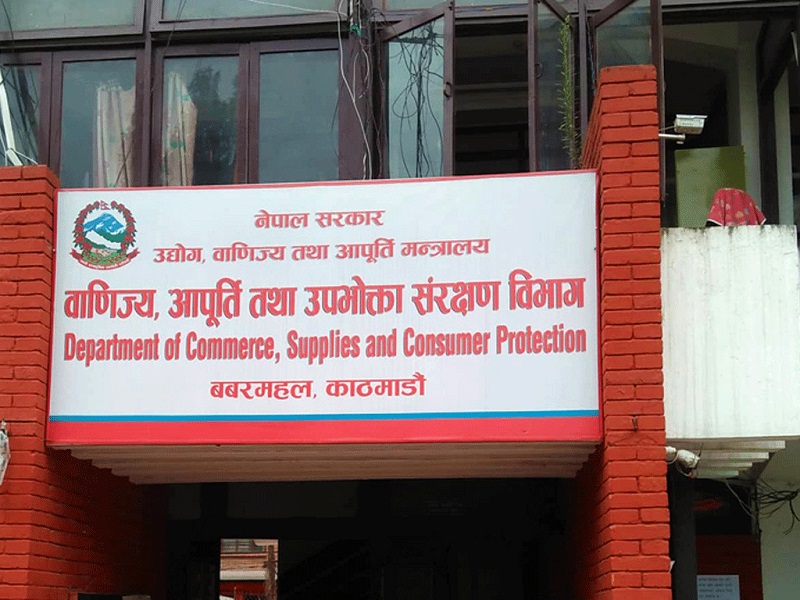
The regulatory landscape in Nepal has seen a significant increase in activity as the Department market monitoring Nepal action intensifies across major commercial hubs. Driven by a surge in consumer complaints during the current election period, the Department of Commerce, Supplies and Consumer Protection has launched a high stakes inspection drive to curb black marketing, artificial price hikes, and the sale of substandard goods. Historically, election cycles in Nepal have been associated with market instability, as increased demand for food and beverage items combined with potential supply chain disruptions provides a fertile ground for unscrupulous traders to exploit the public. In response, the government has deployed multiple inspection teams to ensure that the Consumer Protection Act 2018 is strictly upheld and that the rights of ordinary citizens are not compromised for illicit profit.
Department market monitoring
A recent enforcement action at the JS General Store in Kuleshwor serves as a prominent example of the department’s zero tolerance policy. During a targeted monitoring visit, officials identified significant irregularities that violated the established trade standards. Consequently, the firm was fined 10,000 rupees on the spot. This penalty was issued under the specific provisions of the Consumer Protection Act 2018 Nepal, which grants inspectors the authority to impose immediate fines for offenses like overcharging, failing to maintain proper purchase invoices, and the lack of price labels on essential commodities. While the fine amount might seem modest, the department has clarified that such actions serve as a vital deterrent to other retailers who might be considering similar deceptive practices.
The scale of the current Department market monitoring Nepal action is evident in the recent daily report, which shows that 20 firms were inspected within a single 24 hour window. Out of these 20 inspections, only one resulted in a direct financial penalty, while the remaining 19 firms were issued formal corrective directives. These directives are a key part of the department’s regulatory strategy; they provide businesses with a specified timeframe to rectify minor compliance issues, such as improving hygiene standards or updating stock records. However, the department has warned that a failure to comply with these corrective instructions during the follow up inspection will lead to much harsher legal consequences, including the potential sealing of the business premises and the filing of criminal charges.
A unique aspect of the current monitoring drive is its multi stakeholder approach. To ensure transparency and prevent any allegations of bias or harassment, the inspection teams are often accompanied by local elected representatives and consumer rights activists. This collaborative model is particularly important during the election period, where political sensitivities are high. By involving local leaders, the department can gain better ground level intelligence on hoarding and artificial shortages. Consumer rights activists provide an additional layer of oversight, ensuring that the inspections are thorough and that the quality of food and beverage products is checked against the national standards set by the Department of Food Technology and Quality Control.
Advertisement

The focus on the food and beverage sector is not accidental. These are the most essential commodities for the general public and are highly susceptible to price manipulation during periods of high demand. The department is particularly vigilant about the sale of expired goods, which often find their way onto the shelves during busy seasons. Inspectors are authorized to check the manufacturing and expiry dates of all packaged items and to verify that the Maximum Retail Price (MRP) listed on the package is the price actually being charged to the customer. Any discrepancy between the printed price and the billing price is treated as a serious offense under the black marketing laws of Nepal.
The legal framework provided by the Consumer Protection Act 2018 Nepal is the backbone of these actions. This act was designed to modernize the consumer rights regime in Nepal, aligning it with international best practices. It empowers the department to not only conduct inspections but also to act as a quasi judicial body in certain instances. The act defines the responsibilities of the trader, including the mandatory requirement to provide a bill for every transaction and the prohibition against deceptive advertisements. As the Department market monitoring Nepal action continues to unfold, the use of these legal tools is expected to bring a greater degree of formalization to the retail sector, moving away from the traditional informal bargaining culture toward a fixed price, transparent system.
For the business community, the message from the Department of Commerce is clear: compliance is the only way forward. Traders are urged to keep their registration documents, tax clearance certificates, and purchase invoices readily available at their place of business. Maintaining a clean and organized inventory with visible price tags is not just a legal requirement but a way to build trust with a consumer base that is becoming increasingly aware of its rights. On the other hand, the department is encouraging citizens to be proactive. Consumers are advised to always demand a bill, check the expiry dates of products, and use the official toll free numbers or the online portal to report any instances of overcharging or fraud.
In conclusion, the Department market monitoring Nepal action represents a vital shield for the public during a time of economic and political transition. The recent inspections and the fining of the JS General Store are clear indicators that the government is taking its role as a market watchdog seriously. By conducting nationwide inspections and involving various stakeholders, the Department of Commerce, Supplies and Consumer Protection is working to ensure that the market remains fair, competitive, and safe for all. As the election related activities continue through 2026, this heightened vigilance will be essential for maintaining social stability and protecting the purchasing power of the Nepali people.
For More: Department market monitoring