
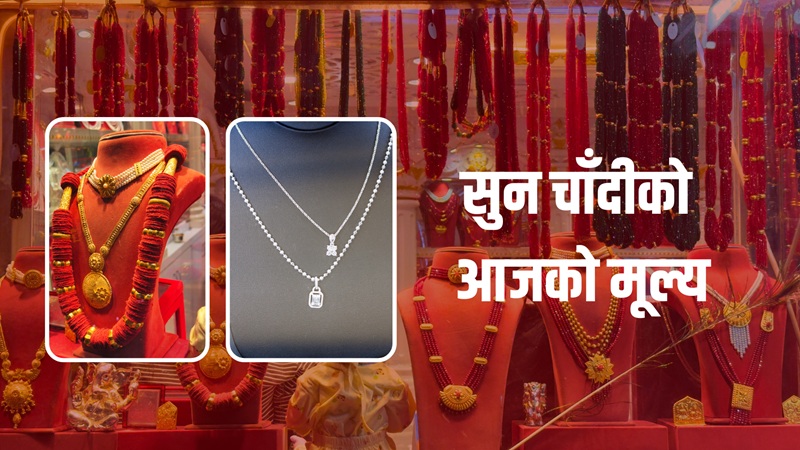
Nepal Silver Import Surge Fiscal Year 2082

Web Post Zone (1920 x 1080 px) - 241
4th March 2026, Kathmanu
The commodities market in the Federal Democratic Republic of Nepal is witnessing a historic transformation as the Nepal Silver Import Surge defines the first seven months of the fiscal year 2082-2083. Data released by the Trade and Export Promotion Centre reveals that silver has not only become a preferred metal for ornaments but has also surpassed gold in terms of total import volume and revenue contribution to the national treasury. Between mid July 2081 and mid February 2082, the import of silver skyrocketed by 182.75 percent, reaching a total of 82 tonnes. This is a massive leap from the 29 tonnes imported during the same period in the previous fiscal year. In the year 2082, as international gold prices remain volatile and reach record highs, the Nepali consumer and investor base has made a calculated pivot toward silver as a more accessible and liquid store of value.
Nepal Silver Import Surge
The financial scale of this surge is reflected in the valuation of the imports. The 82 tonnes of silver brought into the country are valued at Rs 24.01 billion, a sharp increase from the Rs 4.00 billion recorded in the previous year. This shift is primarily driven by the affordability crisis facing the gold market. On March 3, 2026, the price of gold in the domestic market exceeded Rs 328,600 per tola, a level that has effectively pushed the yellow metal out of reach for the average middle income household. Consequently, silver has emerged as the practical alternative for wedding jewelry, cultural rituals, and small scale retail investment. In the year 2082, the traditional preference for gold is being challenged by the sheer economic reality of purchasing power, leading to a structural change in how wealth is stored in the form of bullion.
In contrast to the silver boom, the gold market in Nepal is experiencing a period of stagnation. During the same seven month review period, gold imports saw only a modest volume increase of 13.9 percent, totaling 1.23 tonnes. While the value of these imports reached Rs 22.34 billion due to high international prices, the actual quantity is far below the national demand capacity. According to the Nepal Rastra Bank directives, the gold import quota for this period was approximately 4.8 tonnes, meaning that only 25.6 percent of the available quota was utilized by commercial banks. This underutilization is a direct result of the reduced consumer appetite at current price levels. Even after the government lowered the customs duty on gold from 20 percent to 10 percent in an attempt to stimulate the market, the high base price remains a significant deterrent for new purchases.
The revenue figures provided by the customs department highlight an interesting anomaly in the year 2082. Despite gold having a significantly higher per unit value, the sheer volume of silver imports has allowed it to contribute more to the government exchequer. Silver imports generated Rs 2.40 billion in revenue, slightly outpacing the Rs 2.23 billion generated by gold. This suggests that the silver market is currently more vibrant and provides a more consistent flow of income for the state. The utilization of the silver quota has remained at maximum capacity, with industries permitted to import up to USD 2 million worth of silver per month and traders allowed USD 400,000. This high turnover indicates that silver is moving through the supply chain much faster than gold, which is currently sitting in bank vaults as unsold inventory.
Several internal factors have accelerated this shift away from gold. Beyond the high international prices, the government of Nepal imposed a 2 percent luxury tax on gold jewelry, which added another layer of cost for the end consumer. Furthermore, the making charges for gold ornaments in Nepal often exceed 20 percent, meaning that the price of the final product must rise significantly just for the buyer to break even on their investment. Manik Ratna Shakya, a leading figure in the Federation of Nepal Gold and Silver Dealers Association, has noted that retail investors find gold bars and biscuits difficult to procure, further pushing them toward silver coins and bricks which offer better entry points for diversification. In the year 2082, silver is viewed not just as a decorative metal but as a strategic hedge against inflation and currency depreciation.
Advertisement

The global geopolitical landscape also plays a role in the Nepal Silver Import Surge. Continued uncertainty in international markets has strengthened the sentiment that precious metals will continue to appreciate. While gold is the traditional safe haven, silver is often referred to as the poor man gold because it follows similar price trends but at a fraction of the cost. For a typical Nepali family planning a wedding in 2082, replacing a portion of the gold requirement with high quality silver jewelry allows them to maintain social traditions without incurring debilitating debt. This behavioral shift is expected to persist as long as the international gold price stays above the 300,000 rupees per tola mark, making silver the dominant metal in the domestic jewelry workshops.
The macroeconomic implications of this surge are multifaceted. On one hand, the increased outflow of foreign currency to pay for 82 tonnes of silver puts pressure on the national reserves. On the other hand, the high customs revenue helps the government meet its fiscal targets. The banking sector, however, faces a challenge with its gold holdings. With banks holding significant amounts of unsold gold, their liquidity is tied up in a non performing asset. In the year 2082, if the silver trend continues to accelerate, the government and the central bank may need to revise the import quotas for both metals to better reflect the actual market demand and ensure that the foreign exchange is being utilized efficiently.
Looking ahead to the remainder of the fiscal year 2082-2083, the demand for silver is projected to remain high. The upcoming festive and wedding seasons will likely see a continued preference for silver gift items and ornaments. Industry experts suggest that the government should consider further formalizing the silver trade to prevent any grey market activities that often arise when a commodity sees such a rapid spike in demand. For the jewelry industry, this is a time of adaptation, as craftsmen who traditionally worked with gold are now increasing their focus on silver filigree and stone studded silver sets. The resilience of the Nepali precious metals market lies in its ability to pivot based on economic necessity, and the current silver surge is the most prominent example of this flexibility.
In conclusion, the Nepal Silver Import Surge of 182.75 percent is a clear indicator of a mature and responsive market. While gold will always hold a special place in the cultural fabric of Nepal, the economic realities of 2082 have made silver the metal of the moment. With higher revenue generation and full quota utilization, silver has proved its worth as a critical component of the national trade balance. As long as gold remains in the luxury price bracket, the silver market will continue to expand, providing a feasible alternative for consumers, investors, and the state alike. The year 2082 will be remembered as the period when silver truly came out of the shadow of gold to become a primary driver of the precious metals industry in the Federal Democratic Republic of Nepal.
For More: Nepal Silver Import Surge


