Financial Sector Reform Nepal Roadmap Suggests Key Changes

30th March 2026, Kathmandu
In a major move toward modernizing the national economy, the Government of Nepal has officially unveiled the Governance Roadmap 2082.
Financial Sector Reform Nepal
This strategic document presents a comprehensive set of reform recommendations aimed at strengthening oversight across multiple industries. A primary pillar of this report is the Financial Sector Reform Nepal, which introduces 10 key recommendations specifically targeting structural improvements in the banking system and the capital market.
The roadmap serves as a blueprint for the interim administration and future governments to restore public trust and ensure long-term fiscal stability. By addressing deep-rooted inefficiencies, the state aims to create a more resilient financial environment capable of withstanding global economic shifts.

Governance Roadmap 2082 Publicly Released
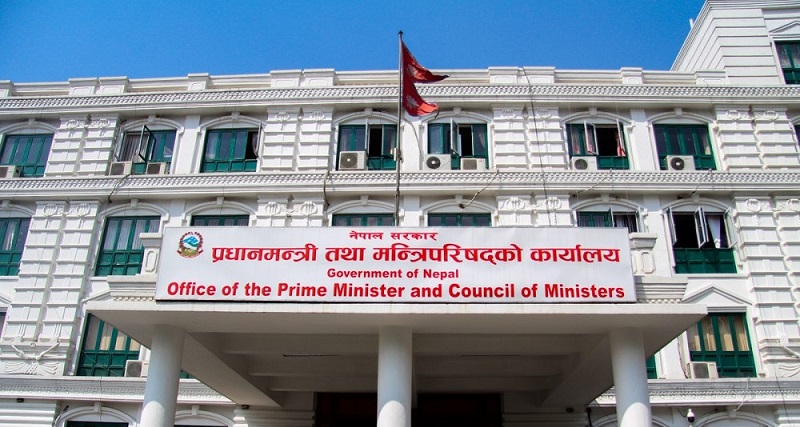
The report was made public by the Office of the Prime Minister and Council of Ministers in late March 2026. This extensive document, spanning over 1,000 pages, was prepared by a dedicated committee formed on Poush 14, 2082. The committee functioned under the leadership of former Chief Justice Sushila Karki, whose reputation for integrity has provided the roadmap with significant credibility among the youth and civil society.
The committee was inclusive in its composition, featuring joint secretaries from various ministries, Gen-Z representatives, and members of prominent civil society organizations. Although the preliminary research was completed in the preceding months, the final version has now been officially released for public access and immediate policy implementation. The roadmap is heavily influenced by the demands for transparency seen during recent nationwide protests.
Focus on Financial and Capital Market Reform
A central component of the Governance Roadmap 2082 is the Financial Sector Reform Nepal. This section outlines strategic interventions designed to enhance regulatory efficiency, deepen financial inclusion, and ensure market stability. These reforms are not merely administrative; they are designed to modernize the entire financial ecosystem of Nepal and align it with international best practices.
Below are the 10 major recommendations provided by the Karki-led committee:
1. Strengthening Regulatory Capacity
The roadmap emphasizes the urgent need to improve the regulatory capabilities of key institutions, including the Ministry of Finance, Nepal Rastra Bank (NRB), the Securities Board of Nepal (SEBON), and the Nepal Insurance Authority. Enhancing supervision, real-time risk assessment, and technical capacity is considered essential to preventing institutional failures.
2. Credit Diversification Policy
The committee recommends implementing a strict credit diversification policy. This ensures that a higher percentage of lending is directed toward productive sectors such as agriculture, domestic industry, and renewable energy. This shift is intended to support real economic growth and reduce the dangerous overconcentration of loans in the real estate and consumption sectors.
3. Managing Non-Performing Loans (NPLs)
Improving the management of non-performing loans is a top priority under the Financial Sector Reform Nepal. Suggested measures include aggressive loan restructuring for viable businesses and establishing a dedicated Asset Management Company (AMC) or similar legal mechanisms to handle and recover bad debts effectively.
4. Expanding Financial Access
The roadmap calls for the rapid expansion of financial services to rural areas and the millions of Nepali citizens working abroad. This includes increasing physical bank branches in remote districts and promoting mobile banking and digital remittance services to bring the unbanked population into the formal economy.
Advertisement

5. Promoting Financial Literacy
The report suggests that financial education programs should be introduced at the school and college levels. By increasing public awareness regarding interest rates, investment risks, and debt management, the government hopes to enable better financial decision-making and broader participation in the stock market.
6. Strengthening Digital Security
With the rise of e-banking and digital wallets, the roadmap stresses the need for robust cybersecurity systems. The strict implementation of digital security standards across all Tier-A and Tier-B banks will help build consumer trust and prevent the growing trend of financial fraud.
7. Enhancing Corporate Governance
The Financial Sector Reform Nepal highlights the need to strengthen internal governance within private and public banks. This includes diversifying board structures to include independent experts, improving internal controls, and increasing the transparency of financial disclosures to shareholders.
8. Updating Financial Laws and Regulations
The committee suggests that existing laws related to banking, foreign exchange, and securities should be overhauled. Many current regulations are decades old and do not reflect the realities of a digital, globalized economy. Timely revisions will ensure better compliance and adaptability for the private sector.
9. Developing New Financial Instruments
To add depth to the capital market, the roadmap recommends introducing advanced financial instruments such as corporate bonds, derivatives, and exchange-traded funds (ETFs). It also suggests a review of brokerage commissions and transaction fees to lower the cost of entry for small retail investors.
10. Establishing a Market Stabilization Fund
To ensure long-term stability in the Nepal Stock Exchange (NEPSE), the roadmap proposes the creation of a Market Stabilization Fund. This institutional mechanism would help manage extreme volatility and protect investor confidence during sudden market fluctuations.
Why These Reforms Matter
The Financial Sector Reform Nepal roadmap is a critical step toward building a more resilient and inclusive economic system. By addressing regulatory gaps and introducing innovation, these reforms aim to boost both domestic and foreign investor confidence. As the country moves toward the Falgun 2082 elections, the implementation of these changes will be a key benchmark for the success of the interim administration.
In conclusion, the roadmap provides a strategic blueprint for transforming the financial landscape of Nepal. If implemented effectively, these recommendations could significantly enhance governance, improve financial stability, and foster sustainable development for years to come.
For More: Financial Sector Reform Nepal