Share Brokers Meet Finance Minister Demand Key Capital Market Reforms in Nepal

6th April 2026, Kathmandu
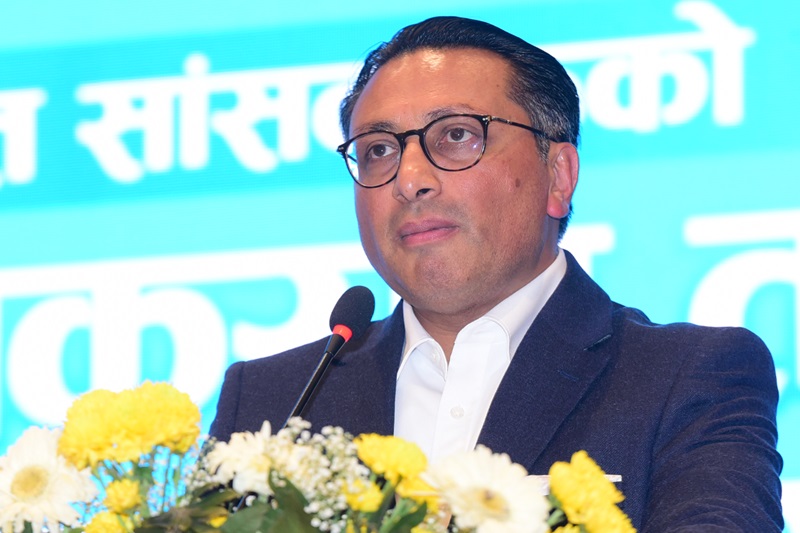
In a significant development for the financial sector of the country, representatives from the Stock Broker Association of Nepal held a high-level meeting with Finance Minister Dr. Swarnim Wagle to discuss pressing issues in the capital market.
Share Brokers Market Reforms
The meeting focused on identifying the key challenges currently faced by brokerage firms and proposing actionable reforms to strengthen the stock market ecosystem of Nepal in April 2026.
As the Nepal Stock Exchange (NEPSE) seeks to modernize, the dialogue between market intermediaries and policymakers is crucial. The association emphasized that without immediate structural changes, the market would struggle to achieve the liquidity and international standards required for a developing economy.

Key Issues Raised by Share Brokers
During the detailed discussion, brokers highlighted several unresolved issues affecting market efficiency and investor confidence. One of the primary concerns remains the consistent delay in implementing the formal recommendations provided by the previous capital market reform task force.
The association urged the government to immediately execute these pending suggestions to ensure a more dynamic and investor-friendly market environment. They argued that many of these reforms have been sitting in draft stages for too long, hindering the natural progression of the secondary market.
Demand for Flexible Entry and Exit for BFIs
Another major demand presented to Minister Wagle was to allow banks and financial institutions (BFIs) to enter and exit the capital market more flexibly. Currently, rigid regulatory restrictions limit the ability of banks to actively participate as institutional investors, which brokers believe is a primary factor hindering market depth.
Additionally, brokers pointed out the existing rule that often prevents the sale of purchased shares before a six-month period for certain categories, urging policymakers to reconsider this provision to allow for better portfolio management and increased daily turnover.
Inclusion of Non-Resident Nepali (NRN) Investors
The association also emphasized the critical need to allow Non-Resident Nepalis to participate more easily in the secondary market. Enabling NRNs to trade shares without unnecessary bureaucratic barriers could significantly increase liquidity and bring in much-needed foreign capital.
Potential Benefits of NRN Participation:
Increased Liquidity: A larger pool of buyers and sellers.
Foreign Currency Inflow: Strengthening the national reserves through investment.
Global Practices: Aligning the capital market of Nepal with international standards.
Broader Investor Base: Reducing the market’s sensitivity to local economic shifts.
Advertisement

Clarity on Capital Gains Tax (CGT)
A major point of contention for many years has been the ambiguity surrounding taxation. Brokers requested the government to clearly define the capital gains tax as a “final tax” through the upcoming national budget. This clarification would eliminate the ongoing confusion among retail investors regarding their tax liabilities at the end of the fiscal year.
A transparent and predictable tax policy is essential for building long-term trust and encouraging domestic households to move their savings from traditional bank deposits into the equity market.
Boosting Confidence of Small Retail Investors
To strengthen the confidence of small investors, the association proposed mobilizing idle funds held by large government institutions into the secondary market. By creating a favorable investment environment for these institutional funds, the government can provide a “buffer” that increases market stability during volatile periods.
This step is expected to support retail investors by preventing drastic price crashes and encouraging broader, more confident participation in the daily trading sessions.
Need for Auction Market and Settlement Reforms
One of the critical operational challenges discussed was the recurring issue of share settlement and transfer guarantees. Currently, investors face significant risks when securities are not transferred promptly after a sale, often leading to “forced close-out” situations where the buyer is penalized for the seller’s failure.
To address this, brokers demanded the immediate introduction of a formal Auction Market System. This mechanism would:
- Resolve failed settlements efficiently.
- Protect buyers from the financial impact of non-delivery.
- Ensure the integrity of the T+2 settlement cycle.
Implementation of the Settlement Guarantee Fund (SGF)
The brokers also raised serious concerns about the delayed implementation of the Settlement Guarantee Fund. Although the initial regulations were introduced in 2018 and operational procedures were theoretically finalized in 2022, the system has yet to be fully activated.
They urged the government to direct the Securities Board of Nepal (SEBON) and NEPSE to activate the fund as soon as possible. An active SGF acts as a safety net, ensuring that even if a broker or investor defaults, the settlement process continues smoothly, thereby enhancing overall market reliability.
Strengthening the Capital Market of Nepal in 2026
The meeting between the Stock Broker Association of Nepal and Finance Minister Dr. Swarnim Wagle reflects a growing urgency to reform the financial architecture of the nation. Addressing these issues can lead to several positive outcomes:
- Improved Transparency: Clearer rules on taxes and settlements.
- Increased Confidence: Higher trust from both local and NRN investors.
- Higher Liquidity: More active participation from banks and institutions.
- Stronger Framework: A modern regulatory environment that protects all stakeholders.
These reforms are viewed as non-negotiable requirements for the long-term development of the financial system of Nepal.
Conclusion
The discussion on Share Brokers Market Reforms Nepal highlights the desperate need for immediate policy action to modernize the capital market. With clear demands and practical solutions now presented to the Ministry of Finance, the government has a unique opportunity to drive meaningful structural change.
Implementing these reforms can transform the stock market of Nepal into a more efficient, inclusive, and investor-friendly platform. Ultimately, a healthy and vibrant capital market will contribute to the overall economic growth of the country, providing businesses with easier access to capital and citizens with a reliable avenue for wealth creation. Stakeholders now look forward to the upcoming budget announcement for concrete steps toward these essential reforms.
For More: Share Brokers Market Reforms