First Harvard Health Hackathon in Nepal Hosted by The British College Kathmandu

8th April 2026, Kathmandu
The TBC Incubation Centre at The British College, Kathmandu, served as a regional hub for the Harvard Health Hackathon, the 7th Annual Health Systems Innovation Hackathon, an initiative of the Health Systems Innovation Lab under the Harvard T.H. Chan School of Public Health.
First Harvard Health Hackathon
At TBC Conference Hall in Kathmandu, 18 teams registered for the event, and innovators assembled to address pressing health system issues. This marks a significant milestone for Nepal’s innovation ecosystem: it is the first time the globally recognised hackathon has been hosted in Nepal.
The TBC Incubation Centre’s selection as a regional hub places The British College Kathmandu at the centre of a global health innovation movement that connects young innovators from Kathmandu to Cambridge, Massachusetts.
A Global Initiative on Nepali Soil
The Harvard Health Hackathon is one of the most prestigious health innovation platforms in the world, designed to empower innovators to develop impactful, scalable solutions to the most critical challenges facing health systems globally. In its 7th edition, the hackathon expanded its reach to Nepal for the first time, in collaboration with the National Technology Innovation Centre (NTIC) at Kathmandu University, which serves as the National Hub.
The TBC Incubation Centre was selected to serve as a regional hub, identifying and nurturing the most promising ideas at the regional level before they progress to the national stage. Ideas selected at the National Hub will advance further to the international stage in Boston, USA, in June 2026.
For the TBC Incubation Centre, this represents far more than a hosting role. It is a validation of the centre’s growing reputation as one of Nepal’s leading platforms for student-led innovation and entrepreneurial development.
Two Rounds. One Global Destination.
Advertisement

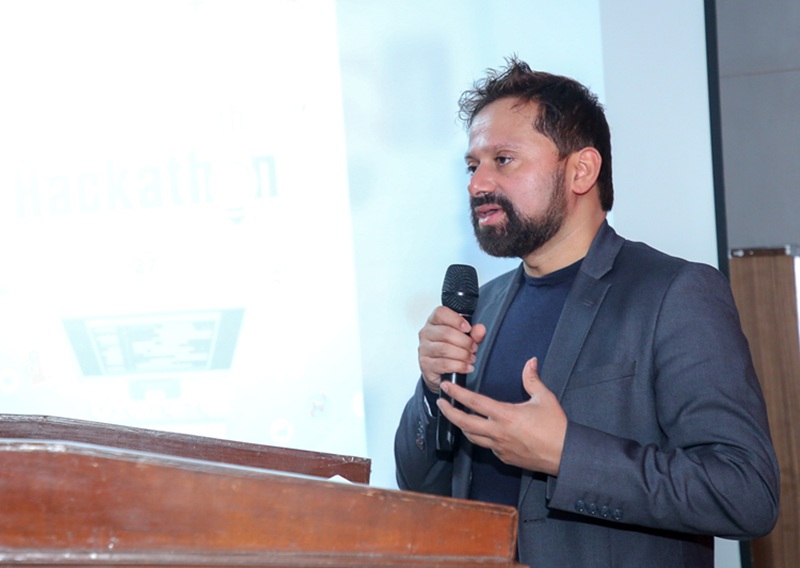
The regional pitching event was held at the TBC Conference Hall, welcoming all teams of innovators across two competitive pitching rounds. Each team delivered a focused three-minute pitch presenting their ideas for improving health systems, covering areas ranging from artificial intelligence in diagnostics to assistive technology, rehabilitation, and community health solutions.
The quality and ambition of the ideas presented reflected the depth of innovation talent that exists within Nepal’s student and young professional community. Teams came prepared, passionate, and determined, exactly the qualities that the Harvard Health Hackathon platform is designed to surface and support.
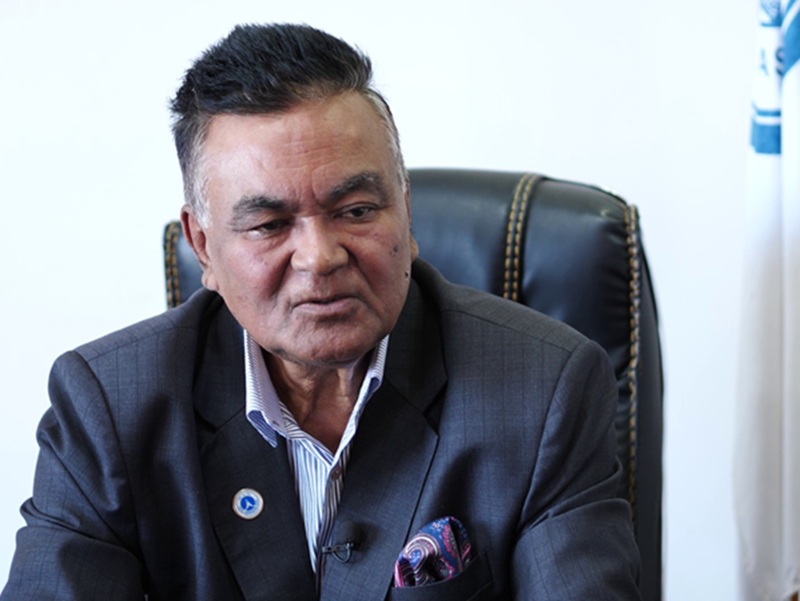
The event was formally opened by Mr Rajen Kandel, CEO of The British College Kathmandu, whose welcome remarks set the tone for a day defined by ambition, collaboration, and purpose. The closing session featured a judges’ address providing panel feedback to all participating teams, followed by a vote of thanks from Mr Ganesh Paudyal, Head of the TBC Incubation Centre, and closing remarks by Mr Arun Kumar Kandel, Country Director of The British College.
What This Means for Nepal’s Innovation Ecosystem
Nepal’s participation in the Harvard Health Hackathon signals a maturing innovation culture, one where young Nepali innovators are no longer just consumers of global ideas but active contributors to global solutions.
The TBC Incubation Centre has been at the forefront of building that culture. From supporting student-led startups to hosting innovation events, the centre continues to demonstrate that the ambition to solve global problems exists right here in Kathmandu. The Harvard collaboration is the most significant external validation of that ambition to date.
The selected team from Nepal’s National Hub will now carry their ideas to Boston in June 2026, representing Nepal on one of the world’s most prestigious innovation stages.
For more: First Harvard Health Hackathon