
SEBON IPO Financial Review 2026: What Investors and Companies Need to Know

9th April 2026, Kathmandu
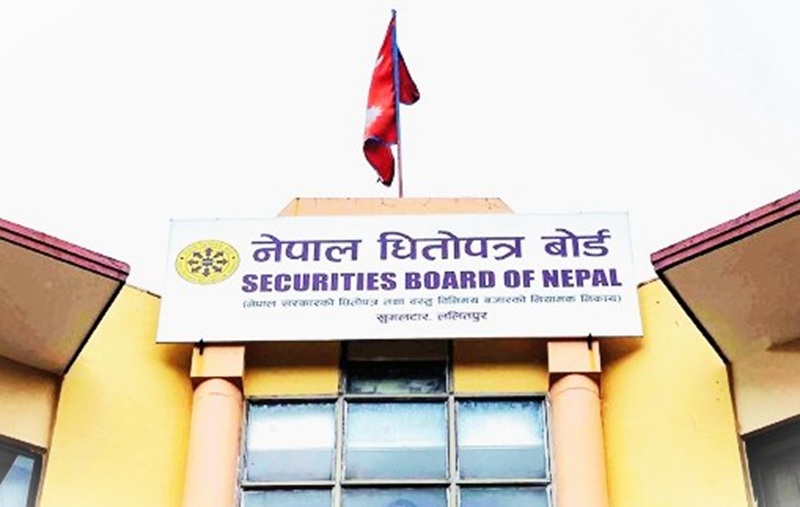
The Securities Board of Nepal (SEBON) has taken a significant leap toward strengthening market integrity. In a move to protect investors and ensure corporate accountability, SEBON has introduced a new mandatory provision: the independent expert review of financial statements for all companies applying for an Initial Public Offering (IPO).
SEBON IPO Financial Review 2026
Effective from April 14, 2026 (Baisakh 1, 2083 BS), the newly issued “Standards Related to the Review of Financial Statements, 2026” marks a turning point for the Nepalese capital market.

Why the New IPO Review Standards Matter
For years, the Nepalese share market has seen a surge in IPO applications, particularly from the hydropower and hospitality sectors. However, concerns regarding the transparency of financial disclosures have occasionally surfaced.
SEBON’s new mandate ensures that financial reports are not just submitted but are vetted by accounting specialists to prevent “window dressing,” the practice of making a company’s financial health look better than it actually is.
Key Triggers for a Mandatory Financial Audit
Under the new guidelines, SEBON will trigger a deep-dive review if any “unusual conditions” are identified in a company’s filing. Key red flags include:
Trade Receivables: If a massive portion of sales revenue is stuck in “receivables” rather than actual cash flow.
Related Party Transactions: Unusually high-volume business deals with sister concerns or affiliated individuals.
Three-Year Audit History: SEBON will strictly scrutinize the last three years of audited reports and interim statements.
Financial Indicators: Any “unnatural” fluctuations in interest expenses or profit margins will undergo expert verification.
Sector-Specific Guidelines: Manufacturing, Hydropower, and More
SEBON has recognized that a “one size fits all” approach doesn’t work for different industries. The 2026 Standards include specific criteria for:
-
Manufacturing & Industrial Entities
Advertisement

-
Hydropower Projects (Focusing on per-megawatt cost and license terms)
-
Hotels and Tourism Sector
-
Investment Companies
For these sectors, experts will look specifically for discrepancies in capital expenditure and debt-to-equity ratios to ensure the public isn’t investing in overvalued or financially unstable projects.
Impact on Nepalese Investors
For the average investor in Nepal, this is a major win. The benefits include:
Reduced Risk: Independent reviews act as a filter, allowing only financially sound companies to reach the public.
Informed Decision Making: With more “fact-based” prospectuses, investors can trust the Net Asset Value (NAV) and Earnings Per Share (EPS) figures provided.
Market Credibility: Increased transparency helps align the Nepalese market with international standards, potentially attracting more institutional interest.
Conclusion: A New Era for the Share Market
As SEBON prepares to implement these standards this April, companies looking to go public must now ensure their bookkeeping is impeccable. While this adds a layer of compliance for issuers, it builds the foundation for a reliable and transparent IPO ecosystem in Nepal.
Are you planning to invest in upcoming IPOs? Stay tuned for company prospectuses that meet these new, rigorous financial standards to ensure your investment is safe.
For more: SEBON IPO Financial Review 2026