
World Heritage Day Nepal: Rebuilding the Past, Safeguarding the Future

18th April 2026, Kathmandu
Every year on April 18, Nepal joins the global community in celebrating World Heritage Day (International Day for Monuments and Sites).
World Heritage Day Nepal
For a nation where heritage is “living”, woven into daily rituals, festivals, and communal identity, this day is more than a celebration; it is a progress report on resilience.
As of World Heritage Day 2026, the theme set by ICOMOS is “Emergency Response for Living Heritage in the Context of Disaster and Conflict.” This theme resonates deeply in Nepal, a country still navigating the final phases of post-earthquake reconstruction while modernizing its conservation strategies.

The Status of Heritage Reconstruction in Nepal (2026)
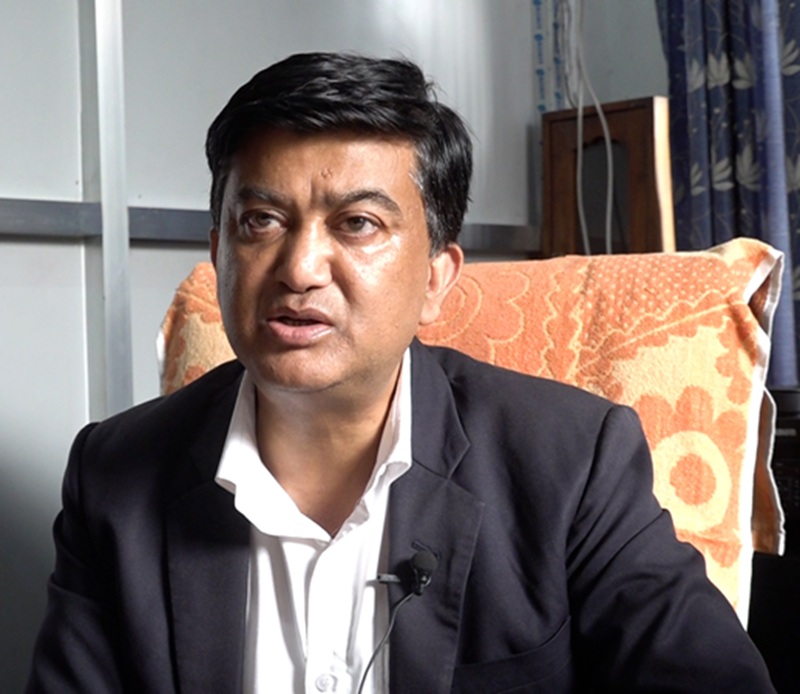
Since the devastating Gorkha Earthquake, the Department of Archaeology (DoA) has been on a monumental mission. According to Sandeep Khanal, Chief Archaeology Officer, the data for 2026 highlights both significant success and persistent challenges:
Total Damaged Monuments: 920 (Initial estimate) + 215 Monasteries (Added later).
Completed Restorations: 815 monuments have been fully restored to their former glory.
Work in Progress: Approximately 310 heritage sites remain in various stages of reconstruction.
Why is the remaining 33% taking longer?
The DoA highlights several “bottlenecks” that the Nepalese government is working to resolve:
Procurement Laws: Current laws often favor the “lowest bidder,” which can compromise the specialized craftsmanship required for ancient woodcarvings and stone masonry.
Resource Scarcity: Authentic materials like Dachi Appa (traditional bricks) and seasoned timber are increasingly difficult to source.
Legal Hurdles: Several restoration projects remain stalled due to pending cases in the courts regarding land rights and local community disputes.
Advertisement

Expanding the Map: New UNESCO Candidates
While restoration continues, Nepal is aggressively pushing to expand its UNESCO footprint. The spotlight this year is on Janakpurdham.
Ram Janaki Temple: Efforts have intensified to transition the iconic “Nau Lakha Mandir” from the tentative list to a full World Heritage Site.
Western Nepal Initiatives: Archaeological remains in Uku (Darchula) and the Ajaymerukot (Dadeldhura) are being documented for potential inclusion on the tentative list, aiming to decentralize heritage tourism away from the Kathmandu Valley.
Nepal’s “Living Heritage” and Digital Transformation
Unlike many Western heritage sites that function as museums, Nepal’s sites are Living Heritage. They are active centers of worship. To protect these for the future, the government has introduced:
Heritage Impact Assessments (HIA): Now mandatory for any development project near a monument zone.
Digital Archiving: A new digital system is being implemented to catalog every artifact, making it easier to track and recover stolen antiquities from international markets.
How to Celebrate World Heritage Day in Nepal
If you are in Kathmandu, Patan, or Bhaktapur today, you can participate in:
Heritage Walks: Organized by the DoA and local municipalities, starting from Swayambhu to Hanuman Dhoka.
Exhibitions: Special displays at the National Museum showcase the “before and after” of reconstructed sites.
Community Clean-ups: Local youth groups leading sanitation drives at heritage ponds (Pukhus) and rest houses (Patis).
Conclusion
World Heritage Day Nepal 2026 serves as a reminder that our monuments are the soul of our identity. While 310 sites still wait for their final stones to be laid, the resilience shown in the restoration of 815 others proves that Nepal’s history is not just buried in the past; it is being rebuilt for the future.
For more: World Heritage Day Nepal


