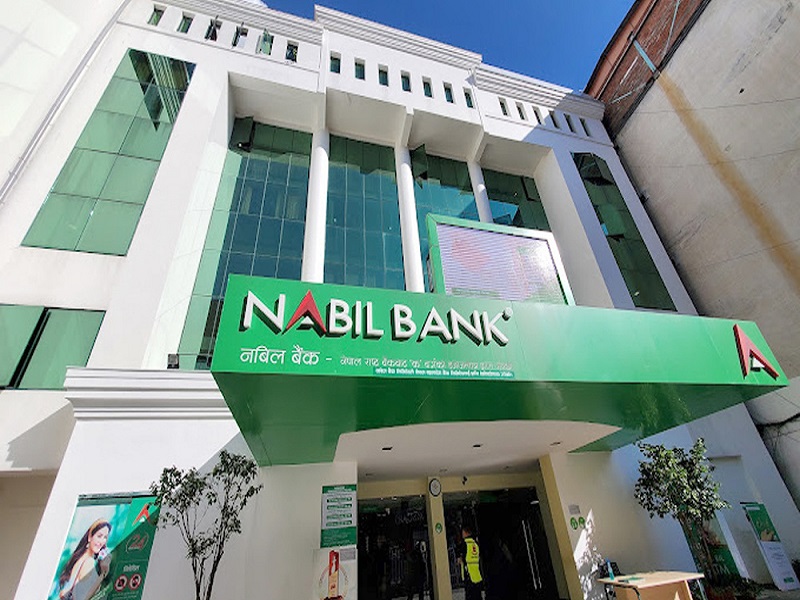
Nabil Bank Property Auction Offers Strategic Real Estate Opportunities Across Nepal

23rd April 2026, Kathmandu
Nabil Bank Limited, a pioneer in the Nepalese financial industry, has recently issued a comprehensive public notice regarding the auction sale of properties acquired through its loan recovery mechanisms.
Nabil Bank Property Auction
These assets, spanning multiple districts from the capital to the plains of the Terai, represent a significant opportunity for individual homebuyers, commercial investors, and agricultural entrepreneurs to acquire land and buildings through a structured and transparent banking process.

Understanding Non Banking Assets and the Auction Necessity
In the financial world, Non Banking Assets or NBA refer to properties that a bank has legally taken ownership of after a borrower defaults on their loan obligations. When traditional repayment schedules are not met despite multiple extensions and notices, the bank seizes the collateral to liquidate it. The primary goal of this auction is the recovery of the total outstanding amount, which includes the original loan principal, accumulated interest, and any applicable penalties or legal charges. By conducting these auctions, Nabil Bank ensures the maintenance of its liquidity and adheres to the regulatory standards set by the Nepal Rastra Bank.
Diverse Property Portfolio Across Multiple Districts
One of the most striking aspects of this Nabil Bank property auction is the geographic diversity of the listings. Unlike localized sales, this notice features assets located in several key economic hubs and developing districts across Nepal. Prospective buyers can find opportunities in the following areas:
Kathmandu Valley: High value residential and commercial plots in Kathmandu, Lalitpur, and Bhaktapur.
Eastern Region: Industrial and agricultural land in Sunsari, Morang, and Jhapa.
Central and Western Regions: Developing plots in Kavrepalanchok and Rupandehi.
The types of assets available are equally varied. The auction includes developed residential buildings ready for occupancy, prime commercial plots suitable for business expansion, and large tracts of agricultural land. Each entry in the bank’s notice provides meticulous details, including the exact ward and municipality, the total land area measured in local units like ropani or aana, and the minimum valuation or base price.
Advertisement

The Sealed Bidding Process and How to Participate
Nabil Bank utilizes the sealed bid method, known as Gopya Shilbandi Bolpatra, to ensure a fair and competitive environment. This process requires interested parties to submit their best offer in a confidential manner, which prevents collusion and ensures that the bank recovers the highest possible value for the assets.
To participate, bidders must submit a formal application within the deadline mentioned in the public notice. It is essential to state the offered price clearly in both figures and words to avoid any clerical errors that could lead to disqualification. These applications must be delivered directly to the Central Office of Nabil Bank, specifically to the Loan Recovery Department located in Bijulibazar, Kathmandu.
Financial Requirements and Payment Security
Participation in a Nabil Bank property auction requires a demonstration of financial commitment. Every bidder must deposit an earnest money amount, which usually represents a percentage of their total bid or the base valuation. This deposit can be made through secure methods such as a manager’s cheque, a good for payment cheque, or a direct deposit into a specified Nabil Bank account.
If a bid is successful, the winner must complete the remaining payment within a strictly defined period. Failure to do so not only results in the cancellation of the bid but can also lead to the forfeiture of the earnest money deposit. This structure ensures that only serious and financially capable investors enter the bidding arena.
Terms, Conditions, and Legal Ownership Transfer
The auction is conducted under a strict legal framework. Nabil Bank reserves the full right to accept or reject any bid without assigning a reason. Furthermore, if a borrower manages to settle their entire debt before the auction is finalized, the bank may withdraw the property from the sale list.
Once a bid is confirmed and the full payment is received, the bank initiates the legal transfer of ownership. This process follows the prevailing land and property laws of Nepal. The advantage of buying through a bank auction is the assurance that the property is free from other legal disputes or hidden encumbrances, as the bank has already performed the necessary legal cleansing during the asset acquisition phase.
Why This Auction is a Strategic Move for Investors
Acquiring property through a Nabil Bank property auction offers several advantages over the traditional real estate market. First, the pricing is often more competitive as the bank is primarily interested in recovering its dues rather than maximizing speculative profit. Second, the diversity of the locations allows investors to diversify their portfolios across different regions of Nepal. Finally, the transparency of dealing with a regulated financial institution provides a level of security that is often missing in private land deals.
Conclusion
As Nabil Bank moves forward with its 2026 asset liquidation plans, the current auction stands as a major event for the Nepalese real estate sector. Whether you are a first time homebuyer looking for a deal in the valley or a business owner seeking expansion in the Terai, these non banking assets provide a reliable and legitimate path to property ownership. Interested participants are encouraged to act quickly, review the detailed listings at the Bijulibazar office, and prepare their bids to secure a stake in Nepal’s growing landscape.
For More: Nabil Bank Property Auction