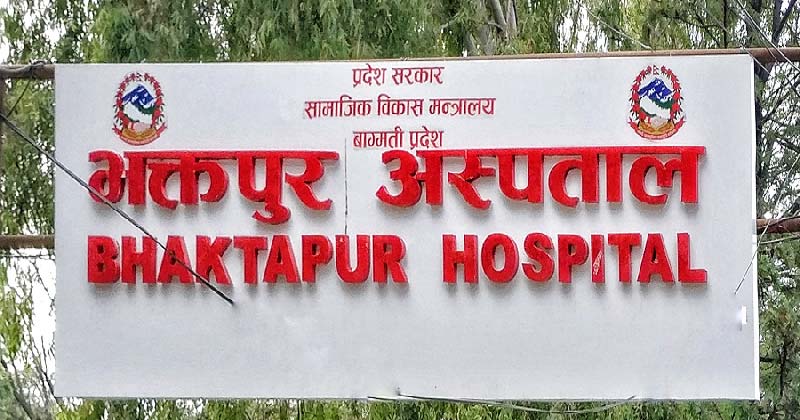
Bhaktapur Hospital Modernizes Public Healthcare with Advanced Robotic Surgery Frameworks

11th June 2026, Kathmandu
Bhaktapur Hospital has officially initiated the administrative framework to introduce advanced robotic surgery services on its historic campus.
Bhaktapur Hospital Robotic Surgery
The medical technology upgrade is being actively developed under the direct strategic plan of the Bagmati Province government to expand high quality specialty treatments within the public hospital network. The specialized modernization project marks the first time that automated mechanical assistance frameworks will be deployed within the state subsidized medical sector of the country.

Reviewing Procurement Milestones and Provincial Government Health Policies
The rollout of this surgical system forms the core of a broader provincial initiative designed to upgrade secondary and tertiary care centers into modern centers of medical excellence.
The health ministry has already completed initial feasibility reviews and finalized standard operational budgets to support the specialized machinery.
The administrative data and planning metrics behind this medical upgrade include:
- Enforcing Governance Authority: The Ministry of Health of the Bagmati Province government, led by Health Minister Kiran Thapa Magar.
- Current Infrastructure Stage: The formal procurement pipeline has officially commenced following the publication of the competitive equipment supply tender notices.
- Institutional Performance Ranking: Bhaktapur Hospital enters this modernization phase after being evaluated as the top performing public medical facility in the country based on national minimum service standards.
- Primary Strategic Objectives: Providing low cost access to advanced laparoscopic and robotic procedures while acting as a regional learning hub for the next generation of surgeons.
The health department confirms that the provincial leadership decided to fund the robotic systems to eliminate the treatment gap between expensive urban private clinics and public community hospitals.
By taking this step, the regional administration intends to establish a sustainable model for high tech medical procurement that can be copied by other provincial hospitals across the nation.
Understanding Robotic Surgery Mechanics and Patient Safety Enhancements
Contrary to common public misconceptions, the integration of surgical robotics does not mean that an autonomous machine executes medical procedures independently.
The entire operating system acts as a highly refined extension of the physical movements of a human specialist, providing unprecedented visualization and micro manipulation capabilities inside the human body.
The functional design and technological components of the robotic surgery suite feature:
- Surgeon Controlled Master Consoles: Specialized medical consultants sit at an ergonomic cockpit separate from the operating table, viewing high definition three dimensional images of the internal organs.
- Articulated Multi Axis Manipulator Arms: The system translates the hand wrist and finger movements of the operating doctor into precise actions by small instruments inside the patient.
- Tremor Filtration Software Systems: The underlying control computers eliminate tiny natural hand tremors, allowing for smooth incisions near delicate blood vessels and nerve pathways.
- Minimally Invasive Entry Portals: Procedures are performed through small keyhole incisions rather than wide open surgical cuts, preserving healthy muscle tissue and outer skin layers.
The precision offered by these machine arms allows clinicians to work in deep hard to reach anatomical areas with complete control.
This technological accuracy helps reduce accidental blood loss and limits structural swelling during long abdominal, thoracic, or pelvic operations.
Mapping Clinical Treatable Conditions and Direct Patient Recovery Benefits
The introduction of robotic platforms will expand the range of complex procedures performed routinely at the facility.
The clinical teams will use the equipment across several surgical specialties, helping patients return to their normal daily routines much faster.
Advertisement

According to consultant robotic specialist Dr Ranjis Kumar Pahadi Kshetri, the clinical applications and direct patient benefits include:
Wide Ranging Treatable Conditions
The system will be used for complicated abdominal hernia repairs, deep intestinal tumor removals, precise kidney and gallbladder stone clearing, and complex uterine fibroid treatments.
Advanced teams will also use the system for prostatectomies, specialized heart surgeries, pediatric corrective operations, and bariatric weight loss procedures.
Measurable Postoperative Recovery Benefits
Patients will experience much less pain after surgery, which helps reduce the need for heavy prescription painkillers.
The smaller incisions lead to minimal blood loss, lower infection risks, shorter hospital stays, and quicker discharges so patients can return home sooner.
The medical management board notes that while the initial setup costs for the machinery are high, the overall financial burden on patients will drop.
Shorter hospital stays mean fewer days of lost wages for families and lower bills for nursing care, making advanced surgery affordable for everyday citizens.
Developing a Regional Center of Excellence and Medical Training Center
The long term operational plan for the hospital extends past daily patient treatments to include medical education and scientific research.
Acting Hospital Director Dr Tribhuvan Chandra Jha emphasizes that the facility will use this technology to upgrade its entire training program for medical staff.
The future institutional development goals for the hospital focus on:
- Building Skilled Local Human Resources: Designing specialized simulation training courses to help domestic surgeons master robotic controls without needing expensive overseas trips.
- Upgrading Specialized Nursing Skills: Training operating room scrub nurses and technician groups in safety checks, machine calibrations, and sterile instrument setups.
- Conducting Clinical Research Studies: Tracking long term patient outcomes to publish local scientific data regarding the cost effectiveness of robotic procedures in developing countries.
- Expanding Telemedicine Consultation Links: Using high speed data networks to allow remote specialist consultations, laying the groundwork for long distance surgical support down the line.
As Bhaktapur Hospital moves through its equipment installation phase, it is transitioning from a traditional city clinic into a leading center for modern medical technology.
This provincial investment will help transform the public health system, proving that advanced medical tools can be managed effectively within a state subsidized framework to serve the general population.
For More: Bhaktapur Hospital Robotic Surgery