Agricultural Development Bank Promotes ADBL Mobile Banking App

12th June 2026, Kathmandu
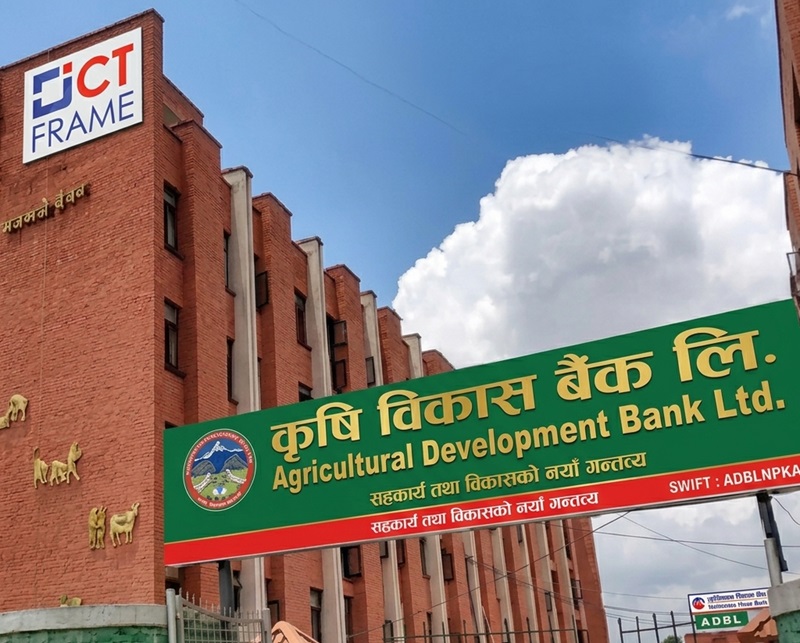
Agricultural Development Bank Limited, commonly recognized as ADBL, is actively encouraging its large customer base to adopt its official mobile banking application, ADBL Smart Plus.
ADBL Promotes Mobile Banking
The public sector institution highlighted the evolving role of digital banking systems as a necessary asset for managing regular household finance, agricultural transactions, and small business accounting. The application serves as an anytime and anywhere portal, allowing users to handle their monetary assets without needing to commute to distant local offices.

Core Features and Everyday Financial Utilities Built Into ADBL Smart Plus
The mobile application concentrates essential retail financial operations into a single secure dashboard built for modern smartphones.
The software eliminates the geographic barriers that traditionally separated remote account holders from their funds, making everyday money management highly efficient.
The primary operational features provided under this mobile platform include:
- Continuous 24/7 Account Access: Account holders can monitor their balances and review complete transaction ledgers late at night, over weekends, and during public holidays.
- Instant Electronic Fund Transfers: Users can move money safely between internal bank accounts or send payments directly to member banks across the country.
- Utility Billing and Mobile Airtime Top-Ups: The system handles instant utility bill payments for electricity, drinking water, internet access, and television packages alongside rapid mobile balance recharges.
- Contactless QR Code Merchant Payments: Senders can complete instant retail purchases at physical stores and local market stalls by scanning standard network QR codes.
- Real Time Statement Monitoring: Customers can download mini statements and review historical transaction lines on their phones to keep precise records of their earnings and expenses.
By placing these essential financial tools directly onto consumer mobile devices, the bank removes the logistical delays associated with traditional paper checks and manual balance inquiries.
Strengthening the Security Architecture of Public Sector Digital Banking
As electronic payment systems grow more popular, safeguarding consumer assets from digital fraud and identity theft remains a top operational priority for the bank management.
The application incorporates multi layer security technologies to guarantee that private financial details remain protected against unauthorized electronic access.
Advertisement

The underlying safety mechanisms and data protections implemented within the application feature:
- 128 Bit SSL Encryption: The application shields all data moving between the personal smartphone and the central bank clearing network with robust encryption protocols.
- Biometric Identification Access: Users can enable secure fingerprint login or facial recognition parameters to block unauthorized individuals from opening the application if a physical phone is lost.
- Two Factor Authentication Verification: Every sensitive fund transfer or major profile change requires a distinct personal password or automated activation pin to confirm the identity of the true account holder.
- Instant Transaction Alert Notifications: The bank routes immediate text message alerts and app notifications to the user for every single deposit or withdrawal, allowing for instant detection of unusual activity.
These modern protections give rural and urban customers the necessary confidence to transition away from physical cash holdings and toward secure electronic ledgers.
Driving National Economic Development and Digital Transition Goals
The promotion of the smartphone application aligns closely with wider national policies aiming to transform the country into a fully integrated digital economy.
The leadership of the bank pointed out that reducing the reliance on physical currency notes lowers the overall administrative costs of printing and distributing physical cash across difficult mountainous terrain.
The long term developmental advantages of widespread mobile banking adoption include:
- Substantial Reductions in Transportation Costs: Saving customers money on bus fares and fuel expenses by eliminating the need to travel long distances for simple balance updates.
- Increased Inclusion for Agricultural Communities: Giving farmers and small rural businesses immediate access to digital micro credit loans, wallet transfers, and payment tracking tools.
- Accelerated Retail Business Operations: Allowing local merchants to receive instant, verified payments into their business accounts through secure QR codes, improving small business cash flow.
- Modernization of Public Financial Infrastructure: Strengthening the capacity of the state banking sector to support future financial technology innovations and regional digital payment links.
As smartphone ownership continues to expand across both urban valleys and isolated farming villages, the unified mobile solution ensures that secure financial services remain within reach for everyone.
By delivering a stable, safe, and user friendly platform, Agricultural Development Bank Limited continues to advance its corporate mission of providing modern financial options that support sustainable economic prosperity throughout the nation.
For More: ADBL Promotes Mobile Banking