
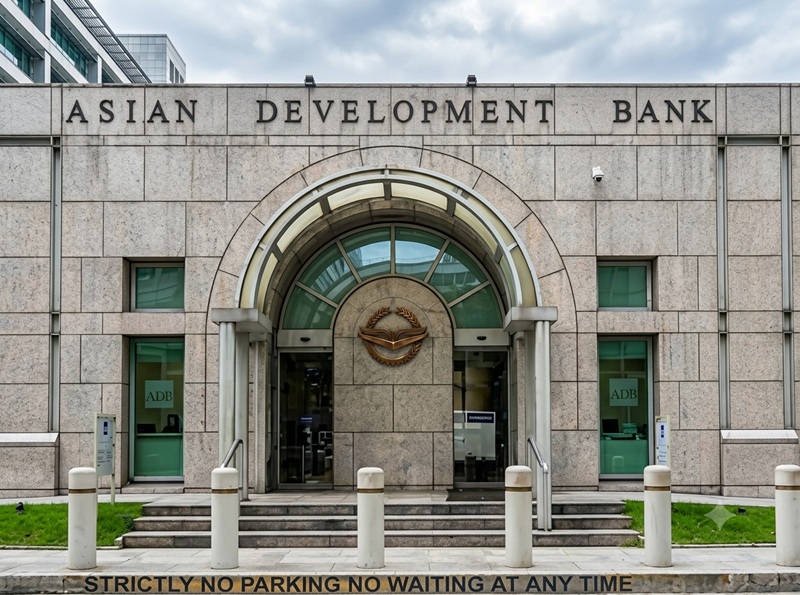
Nepal Secures USD 115 Million Concessional Loan From Asian Development Bank to Upgrade Urban Water and Sanitation Infrastructure

19th June 2026, Kathmandu
The Government of Nepal has officially secured a USD 115 million concessional loan from the Asian Development Bank.
Nepal Secures USD 115M
The substantial capital injection is valued at over 15 billion Nepalese Rupees based on current international exchange rates. The specialized financial package was negotiated to support an integrated municipal development program targeting major water distribution bottlenecks and inadequate sewage networks. By directing these funds toward fast-growing urban corridors, the state aims to build resilient public utilities capable of handling high population densities.

Comprehensive Summary of Project Parameters, Funding, and Regional Coverage
The multi-district development campaign operates under specific capital frameworks to upgrade municipal living standards systematically.
- Providing International Lender: Asian Development Bank
- Total Approved Loan Value: 115 Million United States Dollars
- Domestic Currency Equivalent: Over 15 Billion Nepalese Rupees
- Core Development Focus: Urban drinking water networks and wastewater treatment systems
- Geographic Coverage Target: 13 selected districts across the nation
- Estimated Direct Beneficiary Base: More than 850,000 regional residents
- Project Supervisory Executive: Arnaud Cauchois, ADB Country Director for Nepal
- Primary Operational Milestones: Building pipeline connections and upgrading local sewage systems
Addressing Rapid Urbanization Challenges and Environmental Pollution In Municipalities
The rollout of the integrated utility project addresses critical structural deficiencies that currently impact major towns outside the capital city.
According to research from international urban planning teams, the pace of migration from rural mountain villages to flatland municipal hubs has placed extreme strain on basic public utilities. Many newly declared municipalities lack centralized underground drainage pipes, leading to untreated wastewater flowing directly into local river systems. By building modern sewage processing plants with these loan funds, the government can filter urban contaminants safely, protecting local freshwater ecosystems from severe degradation.
Advertisement

Strategic Interventions for Water Distribution Networks and Public Health Safety
The project includes an intensive engineering schedule focused on providing continuous access to clean drinking water for town populations.
Contractors will install long-distance water transmission pipelines, construct deep filtering reservoirs, and connect thousands of household meters to a reliable main distribution grid. Providing clean, filtered tap water directly to houses lowers the spread of waterborne infections such as cholera and typhoid, which frequently disrupt working communities during monsoon seasons. The added health safety from these upgrades will lower family medical bills and improve physical wellbeing for thousands of marginalized households.
Enhancing Long Term Economic Growth Through Stable Public Utilities
For an developing economy like Nepal, investing in strong public utility systems forms the foundation for long-term commercial growth and investment attraction. Businesses, local manufacturing plants, and hospitality venues require a predictable supply of clean water and proper waste disposal lines before they can confidently commit private capital to expanding local operations.
By building resilient public utilities with flexible, low-interest concessional funding, the state can foster inclusive economic growth, prepare regional economies for future climate shifts, and ensure that secondary towns develop into clean, sustainable, and prosperous commercial centers across all provinces of Nepal.
For More: Nepal Secures USD 115M


