Japan Visa Fee Hike 2026 Effective July 1: Details for Nepalese Applicants

21st June 2026, Kathmandu
In a historic policy shift, the Japanese government has decided to increase its visa issuance fees for the first time in nearly half a century. Following a cabinet decision, the sharp fee revision will officially take effect on July 1, 2026, marking the end of a 48-year freeze on entry pricing.
Japan Visa Fee Hike 2026
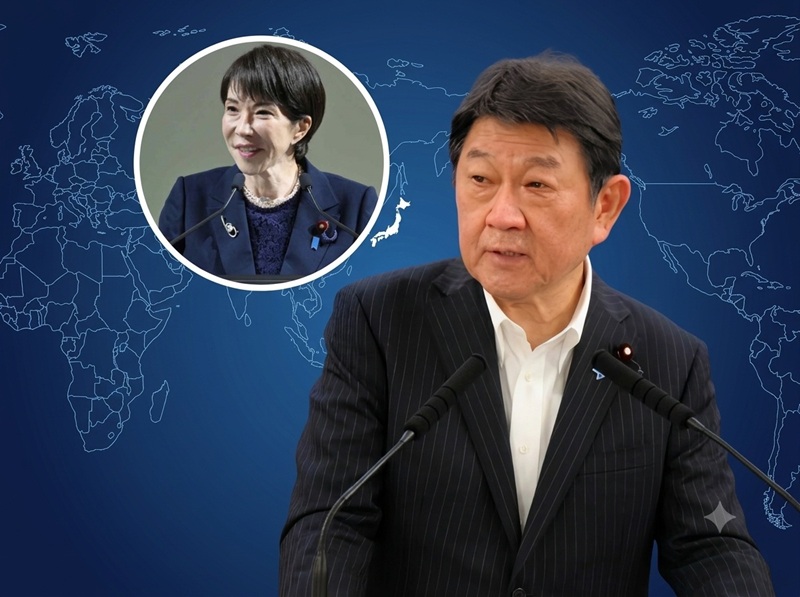
According to Foreign Minister Toshimitsu Motegi, the adjustments were mandated to align processing costs with inflation and sharp exchange rate fluctuations that have occurred since the fees were last set in 1978.

New Global and Nepalese Visa Fee Structure
The updated pricing framework represents a flat fivefold (quintuple) increase across primary standard visa categories. The updated rates apply strictly to all applications submitted on or after the July 1 deadline.
For Nepalese students, workers, and tourists looking to travel to Japan, the price differences in local currency (NPR) are substantial:
Visa Fee Comparison Table
| Visa Category | Old Fee (Yen) | New Fee (Yen) | Approx. Old Fee (NPR) | Approx. New Fee (NPR) |
| Single-Entry Visa | ¥3,000 | ¥15,000 | ~ NPR 2,850 | ~ NPR 14,250 |
| Multiple-Entry Visa | ¥6,000 | ¥30,000 | ~ NPR 5,700 | ~ NPR 28,500 |
Note: Exchange rate calculations are subject to minor baseline adjustments depending on the daily operational rates designated by the Embassy of Japan in Nepal.
Significant Increases Approved for Residence-Related Fees
The adjustment is not limited to short-term entry visas. The Japanese parliament has cleared legislative amendments to scale up caps on domestic residency and stay-extension applications.
These statutory hikes pave the way for individual step-ups across multiple documentation categories:
Residency Status Changes & Stay Extensions: Moving from previous historical baselines to highly structured tiers depending on the specific worker profile.
Advertisement

Permanent Residency Applications: Undergoing structural ceiling adjustments to bring Japanese immigration processing overhead closer to Group of Seven (G7) international benchmarks.
Where Will the New Revenue Be Allocated?
Despite the steep price jump, Japanese officials confirmed that they do not expect an immediate negative impact on inbound tourism or global labor recruitment. Instead, the revenue generated from the updated fee system will be systematically funneled back into localized integration infrastructure.
The Japanese government has targeted three core public sectors for the additional funding:
Managing Foreign Populations: Enhancing administrative support systems to process and accommodate Japan’s growing foreign resident population.
Expanding Language Infrastructure: Broadening national Japanese-language educational programs to assist foreign workers and students with smoother integration.
Strengthening Immigration Oversight: Boosting tracking networks and legal measures to curb illegal overstaying once individual visas expire.
Important Advisory for Applicants: If you have finalized your travel or study documentation, submitting your application at the embassy before the close of business on June 30, 2026, will ensure processing under the older, lower fee structure.
For more: Japan Visa Fee Hike 2026