
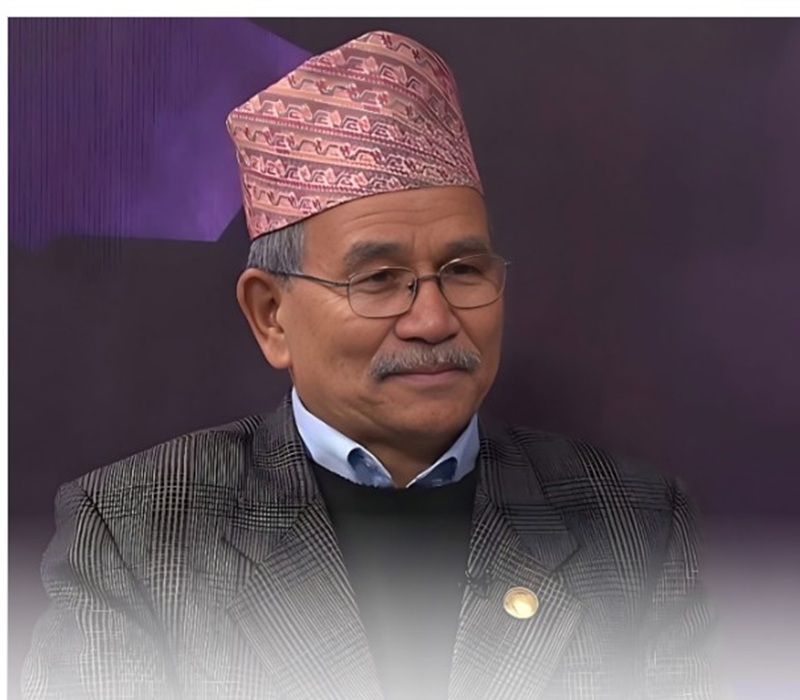
Lalitpur Metropolitan City to Launch Home-Based Emergency Health Service from Shrawan

8th July 2026, Kathmandu
In a major boost for localized healthcare, Lalitpur Metropolitan City (LMC) is preparing to launch a pioneering home-based emergency health service starting this Shrawan (July/August).
Lalitpur Metropolitan Home-Based Emergency Health
Under this new initiative, citizens in need can dial a dedicated short-code number 1131 to summon a fully equipped ambulance staffed with professional medical workers directly to their doorsteps.
The localized policy is being hailed as a progressive step forward for urban health management within the Kathmandu Valley, promising immediate relief to vulnerable demographics.

Key Highlights of the LMC Home Healthcare Initiative
Direct Emergency Hotline: Citizens can dial 1131 to request immediate medical dispatch.
Target Demographics: The service specifically prioritizes senior citizens, people with disabilities, chronic/long-term patients, and anyone experiencing sudden health emergencies.
Urban Relief: It aims to reduce the logistical and financial friction of navigating public transport or finding immediate rides to hospitals during critical health windows.
Advertisement

A Major Lifeline for Vulnerable Urban Citizens
For many elderly individuals and individuals living with physical disabilities in the metropolis, traveling to a hospital for routine checkups or sudden illnesses can be a daunting, expensive task. By bringing medical professionals and transit directly to the home, Lalitpur Metropolitan City is shifting its municipal focus toward proactive, inclusive care.
Public health experts note that this framework could significantly decrease the pressure on emergency ER waiting rooms by addressing or stabilizing patients right at home or managing safe, rapid transit when hospitalization is strictly necessary.
The Urban-Rural Healthcare Divide in Nepal
While this policy marks a celebratory milestone for residents inside the capital valley, it simultaneously shines a spotlight on a stark national issue: regional health disparity.
While urban metropolises are advancing toward home-delivered emergency care via short-code dialing, hundreds of remote and rural municipalities across Nepal still struggle with a lack of basic health posts, essential medicines, and functional birthing centers.
Many rural citizens must still walk for hours or even days across rugged terrain just to access primary care. The launch of Lalitpur’s high-tech initiative serves as a reminder to provincial and federal policymakers that while urban digital and infrastructure models are thriving, aggressive investments are equally required to bridge the deep healthcare access gap in the country’s remote corners.
Expected Impact
As Shrawan approaches, LMC is finalizing the mobilization of its emergency medical technicians (EMTs) and ambulance fleet. If successful, this municipal health model could serve as a blueprint for neighboring cities like Kathmandu and Bhaktapur to upgrade their local emergency response systems.


