Harnessing AI For Sustainable Trade: Key Takeaways from the Kathmandu University Panel Discussion

27th July 2026, Kathmandu
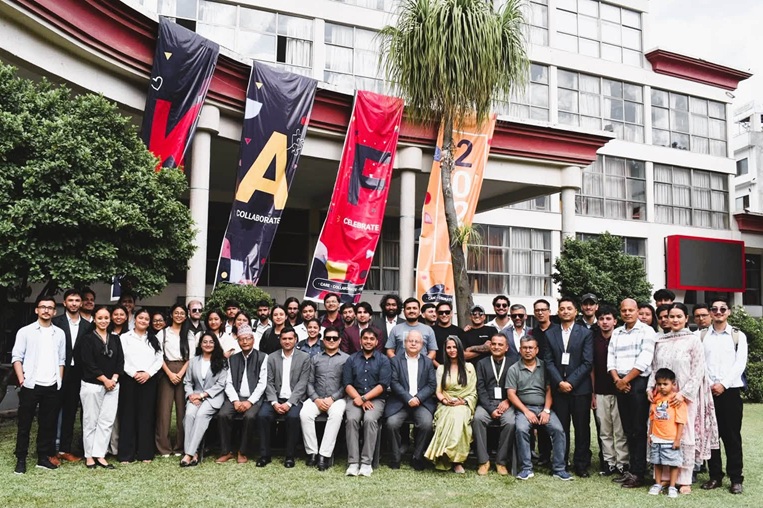
On July 23, 2026, the Department of Management Science and the Information Department, in collaboration with the WTO Chairs Programme-Nepal, hosted a landmark panel discussion titled “Harnessing AI for Sustainable Trade: Enhancing Data-Driven Decision Making.”
Harnessing AI For Sustainable Trade
Moderated by Asst. Prof. Dr. Sanjay Pudasaini, the event fostered a powerful multi-stakeholder dialogue, bringing together leading experts from academia, government, and industry to explore how artificial intelligence can drive economic growth and sustainability in Nepalese trade.

Distinguished Panel of Experts
The session featured a diverse lineup of industry leaders and researchers sharing cross-sector insights:
Prof. Bal K. Bal – Associate Dean, Kathmandu University School of Engineering
Er. Murari Sharma – Telecom Engineer, Software & Security Wing, IT Directorate, Nepal Telecom
Er. Narayan Timilsina – IT Director, Ministry of Foreign Affairs
Mr. Santosh Bhusal – President, RRSC AI Center Nepal & Founder/Director, Dryice Solutions Pvt. Ltd
Advertisement

Ms. Anisha Dhungel – MBA Student, Kathmandu University School of Management
Core Highlights & Takeaways
1. Smarter Trade Policies Through Data Analytics
Discussions emphasized how artificial intelligence and advanced data analytics are revolutionizing global and regional commerce. By leveraging data-driven decision-making, policymakers can design smarter, more transparent trade policies that streamline cross-border processes and boost economic efficiency.
2. Integrating AI into National Digital Infrastructure
Er. Murari Sharma and Er. Narayan Timilsina provided critical government and institutional perspectives. The panel explored the integration of AI frameworks into national digital infrastructure, enhancing government service delivery, cybersecurity, and secure digital communication channels vital for modern trade.
3. Private Sector Innovation and Sustainability
Highlighting entrepreneurial efforts, private sector leaders showcased how scalable AI solutions are tackling sustainability challenges. From optimizing supply chains to reducing environmental footprints, innovation from local tech enterprises is proving essential to green trade initiatives.
4. Cultivating an AI-Ready Workforce
Bridging the gap between education and employment was a central theme. Perspectives from both faculty and students—such as Ms. Anisha Dhungel and Prof. Bal K. Bal—highlighted the urgent need for robust academia-industry-government collaboration to prepare the next generation of professionals for an AI-driven economy.
The Path Forward for Nepalese Trade
The July 23 event successfully underscored that unlocking the full potential of artificial intelligence requires coordinated efforts across all sectors. For Nepal, embracing data-driven strategies and fostering public-private partnerships will be vital to achieving inclusive, sustainable trade growth on the global stage.
For more: Harnessing AI For Sustainable Trade