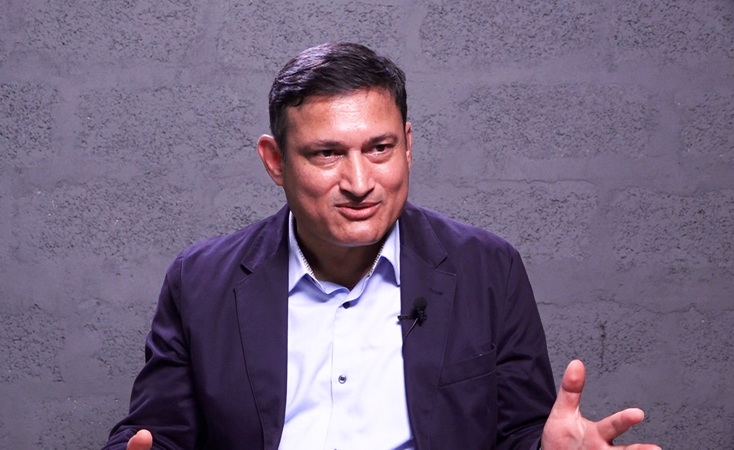
Doctors Are Servants Not Gods: UK-Based Dr. Sunil Sah Urges Urgent Medical Reforms in Nepal

18th August 2026, Kathmandu
UK-based physician Dr. Sunil Sah outlines critical steps to reform Nepal’s healthcare system. From tackling medical brain drain and decentralizing burn care to eliminating hidden donations in medical education and digitizing patient records, discover how Nepal can modernize its medical infrastructure and restore patient-doctor trust.
Doctors Are Servants Not Gods
Despite post-earthquake progress, Nepal’s healthcare sector continues to lag behind comparable lower-middle-income nations like India and several African countries.
According to UK-based Nepali physician Dr. Sunil Sah, achieving meaningful healthcare reform requires immediate intervention across four vital pillars: infrastructure, equipment utilization, human resources, and system-wide coordination.
The Four Pillars of Reform: Equipment Without Expertise
A critical vulnerability in Nepal’s healthcare delivery is the disconnect between equipment acquisition and operational readiness. While regional and government hospitals have secured advanced medical machinery through significant financial investments, much of it remains unused due to severe shortages of trained technical staff.
Dr. Sah highlighted stark examples from Madhesh Province:
Lahan Hospital: Equipped with a CT scan machine, yet lacking both radiographers and radiologists to operate the equipment and interpret results.
Capital Misallocation: Procuring high-tech machinery without paired personnel leads to rapid degradation, rendering multi-million-rupee investments non-functional.
Brain Drain & Medical Workforce Retention
Advertisement

Nepal produces more than double the doctors, nurses, and dentists required for its population relative to international benchmarks surpassing output capacity per capita compared to countries like the UK. However, the system fails to retain them.
| Challenge | Impact | Recommended Action |
| Lack of Leadership Roles | Senior-dominated structures block career growth. | Empower young doctors with clinical leadership roles. |
| High Education Costs | Exorbitant fees turn medicine into a financial investment. | Regulate education fees and eliminate “donations.” |
| Centralization | Critical tertiary care remains concentrated in Kathmandu. | Regionalize medical jobs and build provincial centers. |
Restructuring Professional Ethics: “Doctors Are Public Servants”
Addressing medical professionalism, Dr. Sah emphasized that doctors must view themselves as public servants rather than untouchable figures. Restoring patient-doctor trust requires systemic shifts in professional bodies:
Patient-First Mindset: Transition away from commercialized healthcare, private clinic proliferation, and “celebrity doctor” culture.
Depoliticizing Medical Associations: Professional unions must focus on clinical excellence, system reforms, and patient safety over political maneuvering.
Digital Health Integration: Implementation of a unique health identification number system—similar to the UK’s National Health Service (NHS)—to track patient history across all hospitals and eliminate redundant testing.
Specialized Care Decentralization & Burn Treatment
A primary bottleneck in emergency medical care is the reliance on Kathmandu for specialized interventions. In conditions like severe burn injuries where the first 24 hours are critical, flawed road infrastructure and inadequate ambulance coordination cause vital delays.
Effective burn management requires multi-specialty care including anesthesiology, cardiology, nephrology, and intensive care. Rather than building isolated vertical facilities, Dr. Sah advocates for integrating multi-disciplinary burn units directly into existing regional government hospitals to decentralize acute care nationwide.
For more: Doctors Are Servants Not Gods