Preserving the True Essence of Haritalika Teej: Curbing Commercialization to Save Cultural Heritage

14th September 2026, Kathmandu
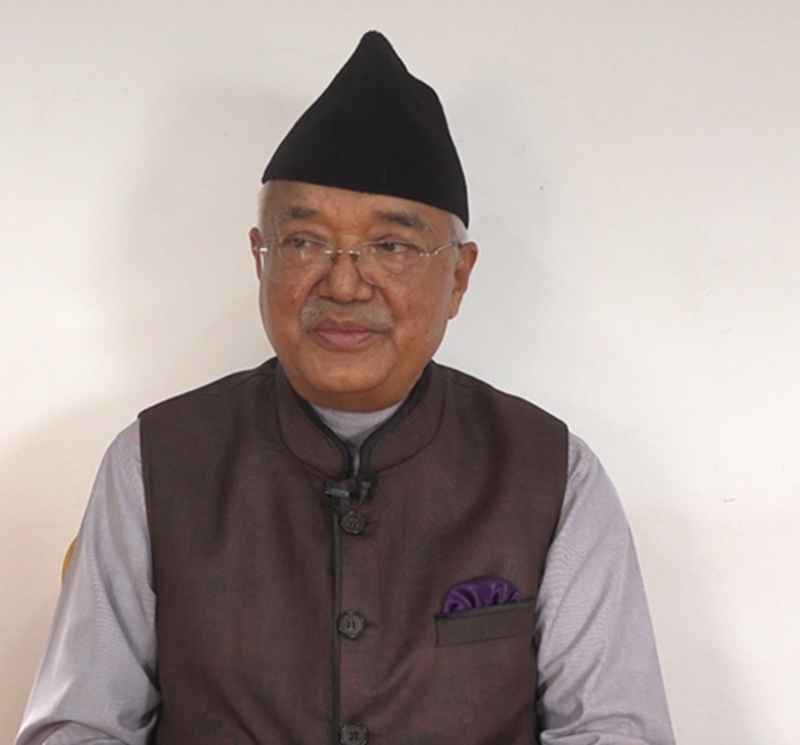
Cultural expert Dr. Govinda Tandon highlights why curbing extravagance is vital to protecting the historic, social, and artistic core of Nepal’s Teej festival.
Haritalika Teej is far more than a traditional religious festival; it stands as a historically powerful medium for social expression, emotional release, and resistance against gender discrimination in Nepal.
According to renowned Nepalese cultural expert Dr. Govinda Tandon, protecting the authentic spirit of Teej requires conscious, community-wide efforts to curb growing commercialization and competitive extravagance.
The Historical Core: A Voice for Social Resistance
Traditionally, Teej provided women with a rare public platform to express their lived experiences, domestic struggles, and societal injustices through improvised music and poetry.
Spontaneous Duets (Dohori): Women gathered in public spaces to compose impromptu lyrics (aashukavita) that reflected social realities, sharp satire, and deep emotional bonds.
Societal Barometer: Before modern communication, Teej songs served as an authentic record of women’s social standing and personal grievances within Nepalese society.

The Shift Toward Commercialization and Digital Media
In recent years, the participatory, grassroots nature of Teej has increasingly yielded to market-driven trends and studio-produced media.
Loss of Impromptu Artistry: The rich tradition of spontaneous singing is declining as pre-recorded commercial tracks dominate public events.
Advertisement

Evolving Gathering Spaces: Historic celebration grounds—such as Bankali and Mrigasthali near Pashupatinath—have seen a reduction in traditional live singing, with platforms like Instagram and TikTok shifting participation from physical communities to digital feeds.
A Global Symbol of Nepalese Identity
Despite modern challenges, Teej has expanded beyond specific ethnic and geographical boundaries to become an inclusive symbol of Nepalese culture worldwide.
Cross-Community Adoption: Communities with limited historical ties to the festival, such as the Newar community, have increasingly adopted Teej as a celebration of culture and community.
Diaspora Unification: Across the global Nepalese diaspora, wearing red attire, bangles (chura), and beads (pote) serves as a shared cultural anchor regardless of ethnic background.
Protecting Culture from Economic Strain
Dr. Tandon warns that competitive displays of wealth threaten the festival’s inclusive nature.
Preventing Alienation: Month-long, expensive Dar parties held at commercial venues create undue financial pressure and risk alienating lower-income families.
Sustainable Heritage: True cultural preservation means celebrating within one’s financial capacity, keeping the focus on sisterhood, artistic expression, and shared heritage rather than ostentatious display.
Teej remains one of Nepal’s most visually striking and meaningful cultural assets. Preserving its future requires filtering out artificial excesses while safeguarding the underlying values of expression, community, and social solidarity.
For more: Preserving True Essence Haritalika Teej