Nepal Seeks $5 Billion For Post-Disaster Reconstruction Following Devastating Floods

19th September 2026, Kathmandu
Discover how Nepalese Finance Minister Swarnim Wagle is spearheading international outreach for $5 billion in post-disaster reconstruction funds. Explore detailed breakdowns of physical damages, economic losses, climate vulnerability, and innovative financing tools like debt-for-recovery swaps.
Nepal Seeks $5 Billion for Post-Disaster Reconstruction

Key Takeaways at a Glance
Estimated Damage: Preliminary assessments report $2 billion in physical damage and $1 billion in economic losses.
Reconstruction Cost: “Build Back Better” initiatives will require between $4.5 billion and $5 billion over the coming years.
Human Toll: The disaster has tragically claimed around 1,400 lives, with over 5,000 missing (including approximately 190 Indian nationals).
Call for Global Aid: Nepal is actively engaging international partners, including India, the World Bank, and the UN, while exploring innovative financing like “Debt for Recovery Swaps.”
Nepal Faces Severe Climate Crisis After Devastating Floods and Landslides
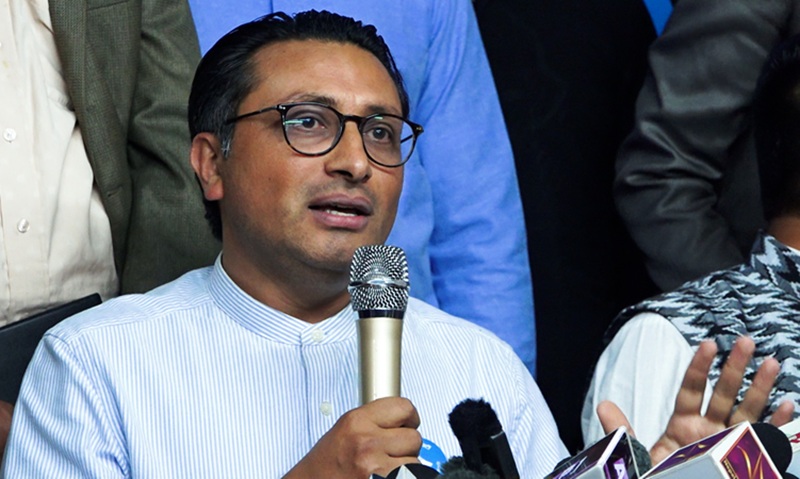
In the wake of catastrophic floods and landslides, Nepalese Finance Minister Swarnim Wagle has stated that the country requires approximately $5 billion for comprehensive post-disaster reconstruction. Speaking to the Indian news agency ANI, Wagle expressed profound gratitude to Indian Prime Minister Narendra Modi, the Indian government, and the people of India for their swift rescue and relief support.
Comparing the current crisis to the aftermath of the 2015 earthquake, Wagle emphasized that the widespread devastation poses a severe challenge not just for Nepal, but for the entire South Asian region.
Financial Breakdown of the Disaster
Preliminary damage assessments paint a grim picture of the country’s economic and infrastructure losses:
Physical Infrastructure: Estimated damages stand at roughly $2 billion.
Economic Losses: Additional losses are calculated at $1 billion.
Advertisement

Total Reconstruction Target: To ensure resilient and sustainable infrastructure under a “Build Back Better” framework, total costs are projected to exceed $4.5 billion to $5 billion.
Drawing parallels to 2015—when India contributed $1 billion out of the $4.0 billion requested by international communities (comprising 25% grants and concessional loans)—Wagle noted that Nepal is once again looking toward India and global partners for vital assistance, though a specific monetary figure has not been officially fixed for India alone.
Innovative Financing and Global Outreach
To fund these massive rebuilding efforts, Nepal plans to leverage creative financial mechanisms, including “Debt for Recovery Swaps.”
To rally international backing, Finance Minister Wagle is spearheading an intensive diplomatic outreach campaign:
Upcoming Visits & Meetings: Wagle is scheduled to hold critical discussions in Doha, New York, and Washington, D.C.
Multilateral Engagement: Talks are underway with the World Bank, the Asian Infrastructure Investment Bank (AIIB), and the United Nations.
Bretton Woods Meetings: Wagle will attend the annual meetings of the Bretton Woods institutions in Bangkok this October.
UN General Assembly: Prime Minister Balen Shah is set to highlight Nepal’s climate vulnerabilities and reconstruction needs on the global stage at the UN General Assembly.
Climate Change: A Growing Threat to Vulnerable Nations
Highlighting the disaster’s root cause, Wagle stressed that climate change is supercharging extreme weather events. Despite Nepal’s negligible greenhouse gas emissions, its population bears a disproportionate brunt of global climate impacts.
Starting his international diplomatic tour in New Delhi, Wagle underscored the importance of India’s partnership in helping Nepal recover, rebuild, and secure a climate-resilient future.
For more: Nepal Seeks $5 Billion For Post-Disaster Reconstruction