Nepal Mountain Tourism: Infrastructure & Policy Gaps Highlighted By NMA

28th September 2026, Kathmandu
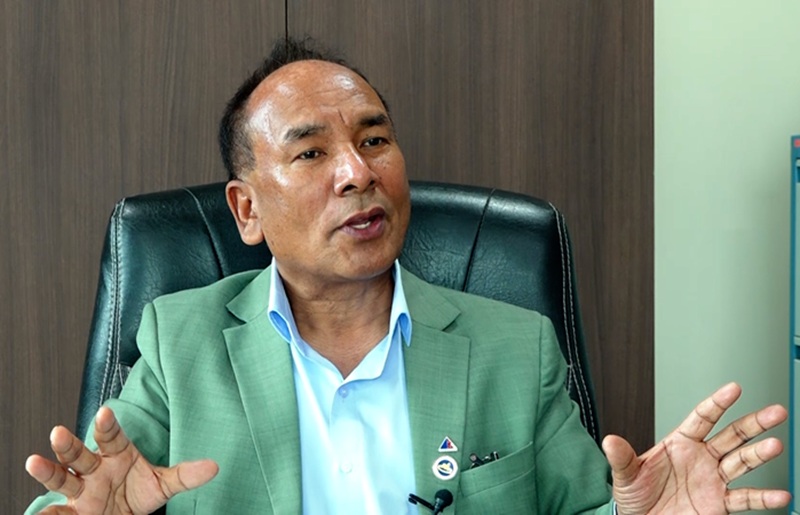
NMA President Phur Gyalzen Sherpa discusses why Nepal’s mountain tourism lags behind global hubs like Chamonix due to poor infrastructure, connectivity issues, and policy hurdles.
Nepal’s Himalayas are world-renowned, drawing global travelers eager to scale peaks, trek pristine trails, and experience unique mountain cultures. However, according to Phur Gyalzen Sherpa, President of the Nepal Mountaineering Association (NMA), the country is failing to capture its true economic potential.
In a recent interview on the occasion of World Tourism Day, Sherpa pointed out that while mountain tourism is the bedrock of Nepal’s economy, a lack of robust infrastructure, systemic connectivity bottlenecks, and vague state policies continue to hold the sector back.
The Untapped Potential of Nepal’s Himalayan Wealth
Stretching from Kanchenjunga in the east to Api and Saipal in the far west, Nepal boasts an unmatched mountain ecosystem. Yet, the volume of tourist arrivals does not align with this massive geographical advantage.
To put things into perspective, Sherpa drew a comparison with Chamonix, a French village nestled at the foot of Mont Blanc, which attracts 5 to 6 million visitors annually. In stark contrast, the sprawling Everest region comprising iconic hubs like Khonde, Thame, Gokyo, and Everest Base Camp sees a mere 60,000 tourists a year.
“Sixty thousand is completely negligible,” Sherpa noted, emphasizing that Nepal has barely scratched the surface of what its mountains can offer.

Key Challenges Facing Nepal’s Mountain Tourism
1. Severe Connectivity Bottlenecks
Geographically, major Himalayan destinations like Everest are not far from Kathmandu in a straight line (under 200 kilometers). However, poor transit infrastructure creates massive delays:
Air Travel: Highly vulnerable to sudden weather changes, frequently grounding flights and helicopters.
Road Travel: Driving to trailheads can take an exhaustive 20 to 22 hours.
Advertisement

Without safe, reliable, and swift transport options, moving tourists efficiently across rugged terrains remains a major hurdle.
2. Ambiguous Government Policies
Sherpa stressed that the state must transition from passive oversight to active facilitation. Clear, pragmatic policies are urgently needed to encourage private-sector investment while protecting delicate ecosystems.
3. Environmental Degradation and Waste Management
Mass tourism without proper waste management threatens the very landscapes travelers come to see. Pointing to popular routes like the Everest Base Camp and Kala Patthar, Sherpa criticized the lack of structured sanitation facilities. He advocated for eco-friendly resort guidelines and proper sewage systems, emphasizing that “these places are not dumping grounds”.
Solutions and the Way Forward
To transform mountain tourism into a powerhouse for sustainable economic growth and youth employment, the NMA leadership emphasizes several critical action items:
Dedicated Conservation & Welfare Funds: Channeling “garbage deposit fees” collected from expeditions directly into mountain cleanups, environmental protection, and high-altitude worker welfare.
Comprehensive Peak Profiling: The NMA has already completed official profiles for the 423 peaks currently opened by the government for climbing permits, with another 108 profiles underway.
Strengthened Oversight: Curbing illegal activities in high-altitude zones by giving experienced climbers and team leaders formal administrative powers functioning similarly to accountable Liaison Officers.
The Bottom Line
Nepal does not need to look abroad for economic survival; its mountains hold infinite wealth. However, unlocking this multi-sector engine, which ripples benefits across airlines, hotels, hospitality, and local agriculture, requires synchronized investments in infrastructure, smart connectivity, green policies, and skilled human resources.
For more: Nepal Mountain Tourism Infrastructure