Dashain Connects Nepalese Society Emotionally and Culturally, Says Shrawan Mukarung

21st October 2026, Kathmandu
Renowned Nepalese poet and lyricist Shrawan Mukarung reflects on Dashain as a unifying cultural force across Nepalese communities. Discover his childhood memories of festive dancing, traditional community gatherings at his ancestral home, balanced views on cultural practices and animal sacrifice, and the growing role of reading books during festival travel.
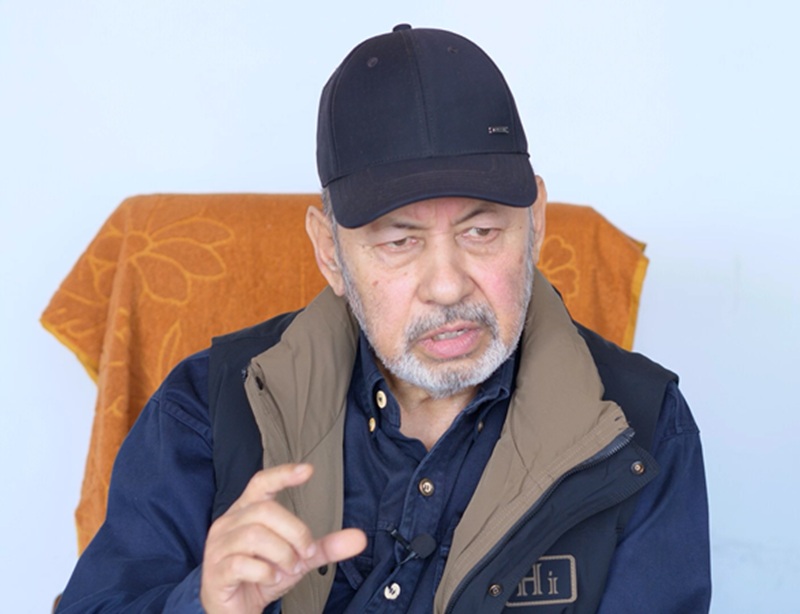
Renowned Nepalese poet and lyricist Shrawan Mukarung views Dashain as more than just a family celebration; for him, it is a shared cultural festival that binds communities, ethnic groups, and Nepalese people together across cultural and geographic boundaries.
“Dashain brings us together,” Mukarung shared in a recent conversation. “Beyond joining individual families, it plays a vital role in uniting diverse communities and ethnic groups into a common bond across Nepalese society.”
Childhood Memories: Festive Dancing, Swings, and Lost Treasures
Reflecting on his childhood, Mukarung remembers Dashain as a colorful, joyous season where religious formality took a backseat to simple delights—enjoying good meals, wearing new clothes, visiting maternal grandparents, and receiving blessings from elders.
Traditional wooden swings (Ping) and local games like Khatkhate were central to the festivities. However, one of his most vivid childhood memories involves dancing for elders and relatives during festival gatherings.
Because he was an energetic dancer, relatives often asked him to perform and rewarded him with money.
“Elders would ask me to dance and reward me with coins—even a single rupee was a significant sum back then,” Mukarung recalls. “I vividly remember collecting that money with immense pride, only to lose it on my way home. Discovering my pockets were empty when I reached home left me heartbroken, as that money meant far more to me than regular festival allowances.”

Festival Heritage at the Ancestral Home
While visiting his maternal grandparents was always exciting, Dashain at his paternal ancestral home carried a grander community scale. Mukarung’s grandfather held the traditional community title of Rai, making his home a central hub for surrounding villages.
Advertisement

Villagers from five or six neighboring settlements would travel to the house carrying traditional gifts (Koseli) such as curd, bananas, flatbreads, and home-cooked delicacies.
“My grandfather would place Tika across everyone’s foreheads,” Mukarung remembers. “Gathering with community members, sharing meals, and receiving heartfelt blessings made those moments truly unforgettable.”
Perspectives on Cultural Evolution and Traditions
Addressing ongoing debates around festival practices in Nepal, Mukarung offers a balanced, inclusive perspective. While he personally grew up celebrating with red Tika, he acknowledges that members of indigenous communities have increasingly adopted white curd and rice Tika (Seto Tika).
On the discussion regarding whether Dashain was historically imposed on indigenous groups, Mukarung emphasizes that how any individual or community chooses to observe a festival remains a matter of personal choice and cultural autonomy.
Similarly, regarding animal sacrifice (Bali), Mukarung advocates for moderation rather than total rejection. While acknowledging that excessive sacrifice can feel violent, he notes that human dietary practices are tied to natural food cycles. Reducing the number of sacrifices is a positive evolution, but completely rejecting traditional festive meals is unnecessary.
Literature, Publishing, and Festival Reading Culture
Highlighting the deep link between literature and cultural heritage, Mukarung notes that literature naturally reflects human civilization and lifestyle practices. Cultural festivals like Dashain, Tihar, and Deusi-Bhailo naturally find expression in stories, poetry, and songs.
He also notes a unique trend in Nepal’s publishing industry during festival seasons. Dashain presents a major opportunity for book sales, as people returning to their home villages purchase books to read during long journeys, give as gifts, or share with family back home.
Mukarung encourages readers and the younger generation not to lose touch with their cultural roots, urging them to study the myths and symbols behind traditional festivals and build a habit of reading cultural literature.
For more: Shrawan Mukarung on Dashain