
From Hardship to Harvest: How Apples Revolutionized Mustang’s Himalayan Economy

25th October 2026, Kathmandu
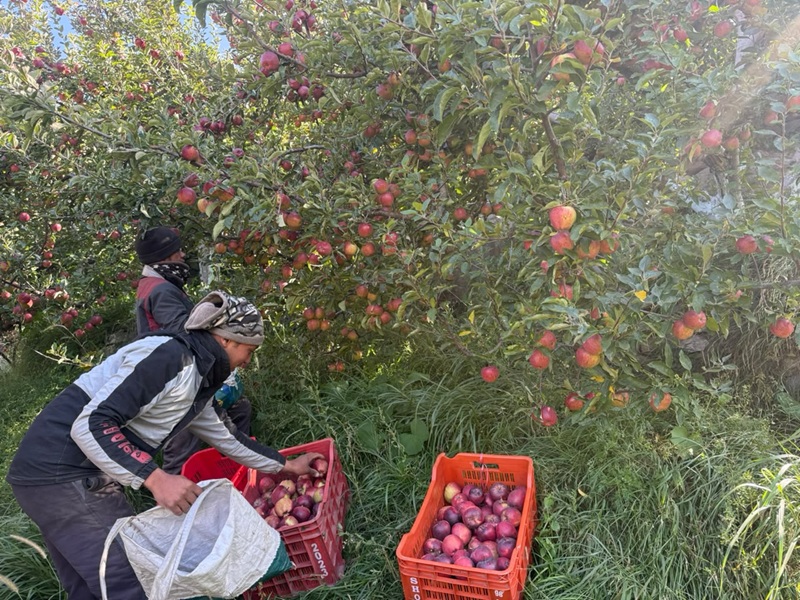
Nestled high in the trans-Himalayan region of Nepal, the district of Mustang is world-renowned for its dramatic landscapes, rich cultural heritage, and iconic apple orchards. Across villages like Marpha, Tukuche, Kobang, Jomsom, Thini, Syang, Chimang, Chhairo, and the Waragung Muktichhetra region, apple farming has become the cornerstone of the local economy.
However, Mustang’s transformation into Nepal’s premier apple-growing hub was not an overnight success. It is a story of resilience, a transition driven by the decline of ancient trade routes, government initiatives, agricultural innovation, and the eventual development of modern transport infrastructure.
1. The Historical Shift: From Trans-Himalayan Trade to Alternative Agriculture
For generations, Mustang’s traditional economy relied on animal husbandry, mountain agriculture, and cross-border trade with Tibet. Key trading hubs, such as the historic Ratnapur customs office in Tukuche, facilitated the exchange of Tibetan salt, sheep’s wool, and local goods.
In the mid-20th century, geopolitical shifts and the Khampa uprising severely disrupted these traditional trade corridors. Following the loss of prominent local traders in Jomsom, border commerce declined rapidly. Faced with diminishing livelihoods, the indigenous Thakali community began seeking alternative economic opportunities. Many migrated to lower regions, while those who remained turned their focus toward exploring high-altitude horticulture suited to Mustang’s dry, cold climate.

2. The Early Beginnings: Saplings from Himachal and Kashmir
Recognizing that Mustang’s unique microclimate mirrored famous apple-growing regions in the Himalayas, experimental farming began in the 1960s. Apple saplings were imported from Himachal Pradesh and Kashmir, India, to test their viability in local soil.
To encourage local adoption, the government introduced a financial subsidy of NPR 25 per planted sapling. Local pioneer Budhiratna Sherchan played a central role during this exploratory phase, introducing saplings and testing various temperate fruits including grapes, almonds, walnuts, pears, peaches, and apricots.
While early trials proved that apples could thrive in Mustang, the lack of transportation infrastructure meant there was no direct way to deliver the harvest to urban markets.
3. The Role of the Marpha Horticultural Center
A breakthrough occurred in 1966 (2022 B.S.) with the establishment of the government Horticultural Center in Marpha under the Ministry of Agriculture. Now known as the Temperate Horticulture Development Center, this institution became the engine of Mustang’s agricultural development.
The center introduced modern horticulture practices, including:
-
Testing and selecting high-yield, disease-resistant apple varieties.
-
Producing and distributing quality saplings to local farmers.
-
Training farmers in pruning, grafting, and soil management.
As technical knowledge spread, commercial apple orchards expanded rapidly from Marpha into surrounding villages like Kobang, Jomsom, Syang, and Thini.
Historical Footnote: During a royal visit to Mustang, the late Om Chyalpa Hirachan, former Pradhan Pancha of Marpha, presented locally grown apples to King Birendra Shah, highlighting the region’s agricultural potential on a national stage.
4. Overcoming Logistics: From Mules and Aircraft to Motorable Roads
Despite successful yields, early apple farmers faced severe market bottlenecks. Without roads connecting Mustang to lower districts, getting fresh produce to market was a major hurdle.
Local merchant Padma Prasad Hirachan recalls that transporting apples on foot or by mule caravan was costly and risky. Due to long travel times and fruit spoilage, many apples could not reach buyers in time. Out of frustration, some farmers began feeding surplus apples to livestock, while others cut down their trees, famously declaring that apple farming felt less like a blessing (syau) and more like a burden (jhyau).
Key Milestones in Transport Expansion
1976 (2032 B.S.): The opening of Jomsom Airport connected Mustang to Pokhara and Kathmandu. Airline crew, civil servants, and travelers began carrying apples as prized gifts (koseli), boosting the brand reputation of Mustang apples across Nepal.
1992 (2049 B.S.): Tourism entrepreneur Bishnu Raj Hirachan notes that private airline flights began transporting commercial batches of apples out of Jomsom.
Road Connectivity: The gradual expansion of the Beni-Jomsom highway fully integrated Mustang into Nepal’s national supply chain, allowing bulk transport by truck and dramatically reducing logistics costs.
Advertisement

5. Economic Impact: Transforming Land Values and Quality of Life
With reliable road access and growing market demand, apple farming evolved into a lucrative commercial industry. Farmland previously used for subsistence crops was converted into commercial orchards.
The economic benefits of apple cultivation transformed Mustang’s rural communities:
Higher Household Incomes: Earnings from apple sales allowed families to invest in better housing, healthcare, modern farming equipment, and higher education for their children.
Surging Land Values: Ordinary agricultural plots increased significantly in value once converted into productive apple orchards.
Diversified Local Economy: The industry created direct and indirect jobs across harvesting, packaging, logistics, processing, and agritourism.
6. Agritourism and Value-Added Apple Products
Today, Mustang’s apples are deeply integrated with the region’s thriving tourism sector. Visitors traveling along the Annapurna Circuit or visiting Muktinath frequently stop in Marpha and Jomsom to tour orchards, experience local Thakali hospitality, and sample regional delicacies.
To maximize crop value and reduce waste, local entrepreneurs have developed a range of processed apple products:
-
Marpha Apple Brandy and Liqueurs
-
Natural Apple Juice and Cider
-
Dried Apple Slices (Sukuti)
-
Jams and Preserves
These value-added products provide year-round income for local processing units and offer popular souvenirs for domestic and international tourists alike.
7. Climate Change: Emerging Challenges and Upper Mustang Expansion
While Mustang’s apple industry has achieved remarkable success, climate change poses new environmental and operational challenges:
Rising Temperatures: Rising temperatures in lower Mustang (Marpha, Tukuche, Jomsom) have affected traditional chilling hours required for optimal fruit setting.
Shifting Cultivation Zones: Apple farming is increasingly moving upward into higher-elevation areas of Upper Mustang, where cooler conditions favor traditional varieties.
Weather Volatility: Unpredictable snowfall patterns, prolonged droughts, and novel agricultural pests require modern irrigation and crop protection strategies.
Addressing these challenges will require continued research into climate-resilient apple varieties, modern cold-storage facilities, drip irrigation systems, and improved supply chain infrastructure.
Conclusion: A Legacy of Himalayan Prosperity
The story of Mustang’s apples is a testament to how innovation, infrastructure, and community perseverance can transform a local economy. From experimental saplings in the 1960s to bustling orchards today, apple farming has turned challenging mountain terrain into a symbol of sustainable growth, agricultural pride, and economic self-reliance in Nepal.
For more: From Hardship to Harvest