
Nepal India Agree Two Way B345 Air Route During PM Balen Shah Visit


24th November 2026, Kathmandu
Nepal and India Agree to Two-Way B345 Air Route During PM Balen Shah Visit
Nepal and India agree to two-way operation of the B345 Kathmandu–Bhairahawa–Lucknow air route during PM Balen Shah’s India visit. Discover how this civil aviation breakthrough boosts regional connectivity, tourism, and bilateral economic cooperation ahead of upcoming technical consultations.
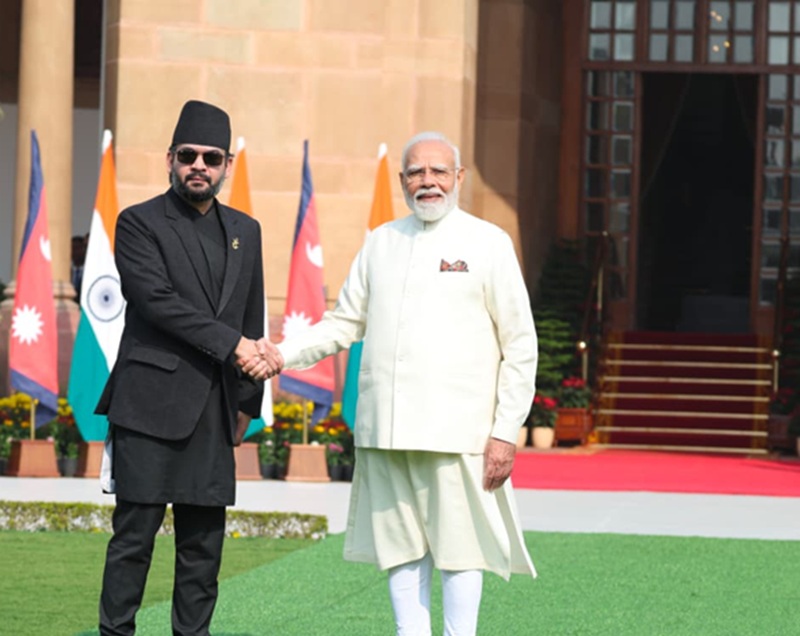
Nepal and India have reached a landmark understanding in the civil aviation sector to operate the B345 Kathmandu–Bhairahawa–Lucknow air route in both directions. Announced during Prime Minister Balendra (Balen) Shah’s official visit to New Delhi on November 23, 2026, the agreement marks a major step forward after more than a decade of diplomatic efforts by Nepal to secure additional international air entry corridors.
Breaking a Decade-Long Civil Aviation Deadlock
Previously, the B345 corridor functioned strictly as a one-way departure route for aircraft exiting Nepal toward India. Under Point 8 of the joint statement issued following high-level bilateral talks between Prime Minister Balen Shah and Indian Prime Minister Narendra Modi, both nations agreed to convert the unidirectional B345 route into a bidirectional airway.
Once operationalized, international flights departing from or transiting through Lucknow will be able to enter Nepalese airspace directly via Bhairahawa, home to Gautam Buddha International Airport (GBIA), and continue onward to Kathmandu.
Advertisement


Economic and Tourism Impact for Nepal
Aviation and tourism stakeholders have welcomed the development as a catalyst for bilateral trade and regional connectivity:
Boost for Gautam Buddha International Airport: Direct two-way entry via Bhairahawa addresses a long-standing operational bottleneck for international airlines flying into Lumbini Province, reducing flight times and fuel costs.
Decongesting Kathmandu Airspace: Providing an alternative western-central entry point helps ease air traffic congestion over Simara, which has historically served as the primary entry gateway for most international flights entering Nepal.
Strengthening Bilateral Economic Activity: Improved air links between Uttar Pradesh’s capital Lucknow and Nepal’s key commercial and religious hubs are expected to accelerate cross-border business travel, religious tourism to Lumbini, and cargo movement.
Upcoming Technical Consultations and Next Steps
While the high-level political understanding sets clear momentum, both governments noted that technical modalities must be finalized before commercial two-way operations commence.
According to the joint statement, civil aviation authorities from Nepal and India will soon convene technical consultations to establish operational procedures, air traffic control coordination, and permitted flight altitudes. These upcoming discussions will also address other pending civil aviation proposals currently on the table between the two neighbors—including Nepal’s broader requests for high-altitude western entry routes such as the L626 Kathmandu–Mahendranagar corridor.