Alcohol Sale, Consumption Ban in Nepal During Elections

26th February 2026, Kathmandu
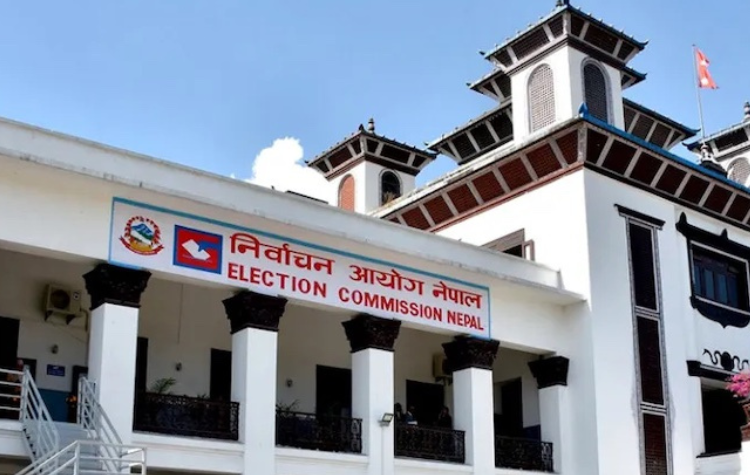
The electoral climate in Nepal has reached a critical phase of administrative control as the government officially enforces a nationwide alcohol sale and consumption ban to coincide with the House of Representatives elections. In a decisive move to maintain public order and ensure a peaceful voting environment, the Election Commission of Nepal, in coordination with the Ministry of Home Affairs, has mandated a complete dry period across all 77 districts. This restriction, which has been in effect since February 26, 2026, is scheduled to last until the final results of the March 5 general elections are officially declared. This regulatory measure is not merely a formality but a core component of the national election security strategy designed to minimize the risk of violence, voter intimidation, and social unrest that are often exacerbated by alcohol misuse during high-stakes political events.
Alcohol Sale, Consumption Ban
The implementation of the alcohol sale and consumption ban is rooted in the Election Code of Conduct 2082, which seeks to systematize the behavior of all electoral stakeholders. Historically, election periods in Nepal have seen an increase in local disputes and physical confrontations between rival political cadres, often fueled by the distribution and consumption of liquor. To prevent such incidents in the year 2082, the High-Level Election Security Committee recommended a comprehensive ban starting seven days before the polling date. By removing alcohol from the social equation during the final week of campaigning and the subsequent counting process, the authorities aim to ensure that the electoral discourse remains focused on policy and leadership rather than being derailed by alcohol-induced provocations or communal tensions.
The scope of the restriction is absolute, covering the production, sale, distribution, and consumption of all types of alcoholic beverages, including locally brewed liquors and imported spirits. All licensed liquor shops, bars, restaurants, and hotel lounges are required to suspend their alcohol-related operations for the duration of the ban. The Ministry of Home Affairs has issued strict instructions to the District Administration Offices (DAO) to deploy monitoring teams to ensure compliance. Security personnel, including the Nepal Police and the Armed Police Force, have been authorized to conduct surprise inspections of commercial establishments and to confiscate any prohibited items found in circulation. This nationwide crackdown serves as a preventive measure to stop the practice of using alcohol as an incentive or bribe to influence the voting behavior of marginalized communities.
One of the primary objectives of the ban is to safeguard the integrity of the silent period, which begins 48 hours before the voting starts. During this 48-hour window, all forms of active campaigning are prohibited, and the focus shifts to ensuring that voters can reach polling stations without fear of harassment. The presence of alcohol in communities during this sensitive time is viewed as a high-risk factor that could lead to spontaneous outbreaks of violence or the disruption of polling booths. By enforcing a dry period, the government is effectively reducing the noise and volatility of the local environment, allowing the security forces to dedicate their resources to the protection of ballot boxes and the management of voter queues rather than handling public intoxication cases.
Advertisement


The legal consequences for violating the alcohol sale and consumption ban are significant. Under the Election (Offenses and Punishment) Act, individuals or businesses found selling or serving alcohol during the restricted period can face heavy fines, the suspension of their business licenses, and in severe cases, imprisonment. The Election Commission has emphasized that no exceptions will be made, and the law will be applied uniformly across the seven provinces. This zero-tolerance approach is intended to signal to political parties and their supporters that the state is committed to a clean and transparent election. Furthermore, the ban on alcohol distribution is closely linked to the monitoring of campaign finance, as the purchase of large quantities of liquor for political gatherings is often a hidden expense that violates spending limits.
Public support for the alcohol ban has generally been positive, particularly among civil society groups and women organizations who have long advocated for a liquor-free electoral process. These groups argue that alcohol is often used as a tool for political mobilization that disproportionately impacts the peace and safety of households in rural areas. By removing alcohol from the election cycle, the state is providing a safer space for women and first-time voters to participate in the democratic process. In the year 2082, the emphasis on a safe and fair election has led to an increase in voter awareness programs that highlight the negative impact of substance abuse on the quality of political decision-making.
The operational impact of the ban also extends to the Nepal-India border areas, where cross-border smuggling of liquor is a perennial concern. During the 72-hour period when the international border is sealed, security forces on both sides of the boundary intensify their efforts to prevent the movement of alcohol and other contraband. This bilateral coordination ensures that the dry period is effective not just in the interior of the country but also in the strategically sensitive border towns. The synergy between the border closure and the domestic alcohol ban creates a comprehensive security umbrella that protects the sanctity of the electoral process from external and internal threats.
In conclusion, the alcohol sale and consumption ban in Nepal during the 2082 elections is a critical administrative intervention aimed at upholding the values of peace, transparency, and fairness. By implementing a nationwide dry period from February 26 until the final result announcement, the government is taking proactive steps to eliminate a major source of electoral volatility. Under the oversight of the Election Commission and the firm enforcement by the Ministry of Home Affairs, this measure ensures that the voice of the people is heard in an environment free from the influence of intoxicants. As the nation prepares to elect its next representatives, the success of this ban will be measured by the peacefulness of the polling day and the credibility of the democratic outcome. All citizens and businesses are expected to act with high responsibility to ensure that Nepal sets a positive example for electoral governance in the region.
For More: Alcohol Sale, Consumption Ban