Bada Dashain vs Chaite Dashain: Why Chaite Dashain is Traditionally More Significant

26th March 2026, Kathmandu
While Bada Dashain (Sharadiya Navaratri) is celebrated with great pomp and show across Nepal today, traditional Vedic and astrological perspectives suggest that Chaite Dashain (Vasantiya Navaratri) holds a more profound historical and spiritual significance.
Bada Dashain vs Chaite Dashain
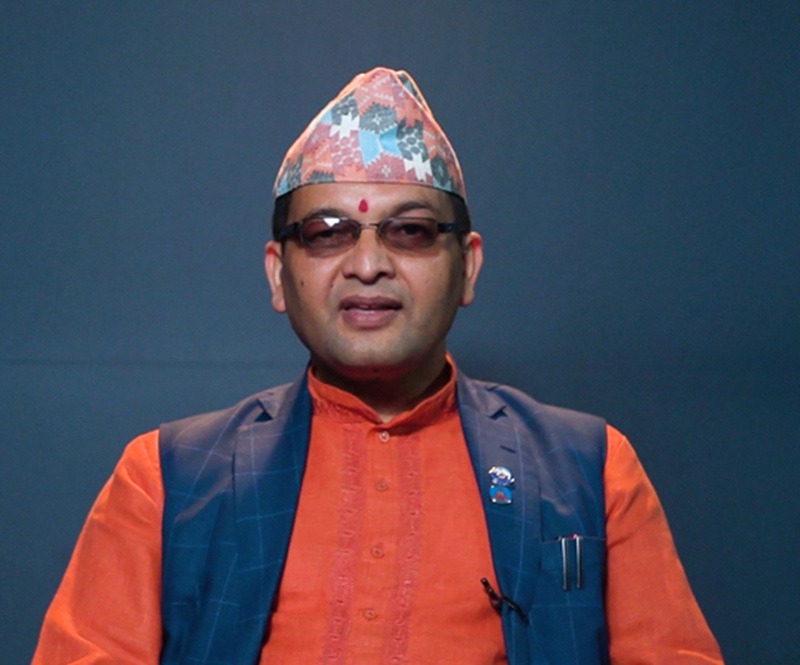
In an exclusive conversation with ICTFRAME, renowned religious scholar and astrologer Dr. Devendra Prasad Pathak shared deep insights into why Chaite Dashain is considered the “Original” Great Dashain and how its importance has evolved over centuries.
The Science of Four Navaratris in Vedic Tradition
According to Dr. Pathak, the celebration of Dashain is intrinsically linked to Navaratri (nine nights of worship). While most people are familiar with two, there are actually four Navaratris in the Hindu calendar:
Vasantiya Navaratri (Chaitra): Celebrated in the month of Chaitra (March/April).
Sharadiya Navaratri (Ashwin): The popular Bada Dashain.
Magh Gupta Navaratri: Observed for secret Tantric practices.
Ashadh Gupta Navaratri: Another period for specialized Mantra Siddhi.
“Chaite Dashain and Ram Navami are not just Hindu customs; they are rooted in the Vedic tradition,” says Dr. Pathak. He emphasizes that while the two ‘Gupta’ Navaratris are for spiritual seekers, the Chaitra and Ashwin Navaratris are for all followers of the Sanatan Dharma.
Why Chaite Dashain is the “Real” Victory Day
Historically, the victory of Lord Ram over Ravana is the cornerstone of Dashain. Dr. Pathak argues that since Lord Ram was born in the month of Chaitra and his victory/return to Ayodhya is traditionally linked to this season, the Chaitra Navaratri is exceptionally special.
“In the Vedic Sanatan era, this was the time when divine power triumphed over demonic forces. It marks Ram’s birthday and his return after 14 years of exile. Culturally and traditionally, it was the primary festival,” Dr. Pathak explains.
Why did Bada Dashain become “Bigger”?
If Chaite Dashain is traditionally superior, why do we celebrate Bada Dashain more grandly? Dr. Pathak points to several practical and state-driven reasons:
Advertisement


Climate & Agriculture: Chaitra is often marked by dry weather and the beginning of a busy farming season. The autumn season (Ashwin/Kartik) offers a more pleasant climate and a break after the harvest, making it easier for people to travel and gather.
State Recognition: Over time, the Nepalese state formalized rituals like Jamara and Phulpati during the autumn Dashain, leading to their widespread popularity.
Travel Feasibility: Historically, returning home from far-off places was more convenient during the autumn months than the hot Chaitra season.
Ram Navami: A Celebration of Unity
Dr. Pathak also touched upon the significance of Ram Navami, which falls on the ninth day of Chaitra Navaratri. He advises against creating “cultural deviations” regarding Lord Ram’s birthplace.
“While some myths suggest Ram might have been born in Nepal, we must respect the shared heritage of the ‘Bharatbarsha’ (the Indian subcontinent). Ram is a symbol of shared values across Nepal and India,” he notes.
How to Celebrate Ram Navami at Home
For those wishing to observe the festival traditionally, Dr. Pathak suggests:
Morning Rituals: Take a holy bath and clean the prayer room.
Worship: Place a statue or photo of Lord Ram on a wooden pedestal with a yellow cloth.
Recitation: Read the Ramayana. In Nepalese tradition, the Chaitra month is considered the most sacred time for Ramayana Parayan (recitation).
Conclusion
Chaite Dashain serves as a reminder of our ancient Vedic roots and the eternal victory of truth. While Bada Dashain has taken the spotlight in modern times, the spiritual essence of Chaite Dashain remains unparalleled for those seeking to connect with traditional Sanatan values.
For more: Bada Dashain vs Chaite Dashain