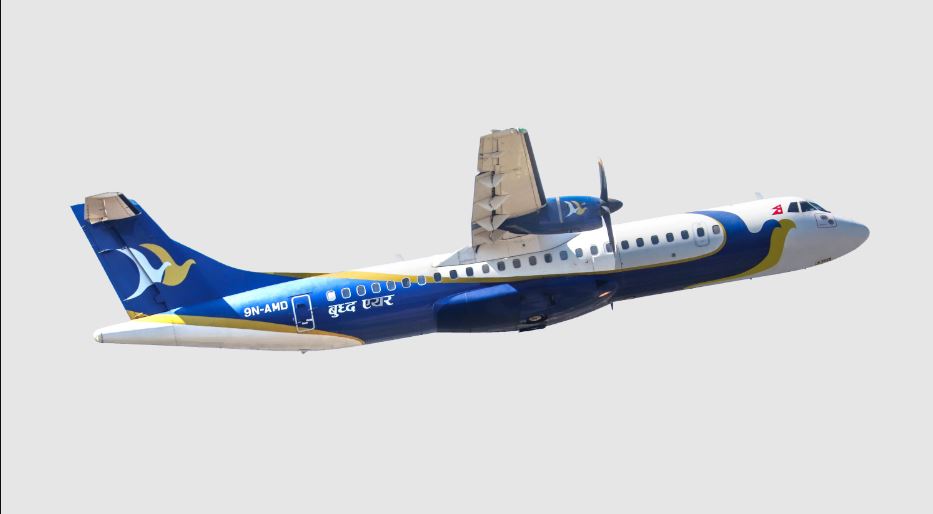
Buddha Air Flight Challenges Rise Amid Fuel Crisis

3rd April 2026, Kathmandu
Nepal’s leading private airline, Buddha Air, has announced that operating flights has become increasingly difficult due to rising fuel costs and ongoing geopolitical tensions.
Buddha Air Flight Challenges
The growing Buddha Air Flight Challenges highlight the mounting pressure on the aviation and tourism sectors of Nepal, especially during the current peak travel seasons of 2082/83.
As a dominant player in the domestic sky, any operational hurdle faced by Buddha Air sends ripples through the entire national economy. The current situation is shaped by a volatile global energy market that has directly translated into higher ticket prices and logistical hurdles for thousands of daily commuters.
Impact of Middle East Conflict on Aviation
According to Buddha Air, the ongoing conflict in the Gulf region has directly impacted global fuel prices, making aviation operations significantly more expensive. Since Nepal heavily depends on imported aviation fuel, any international disruption quickly affects the bottom line of domestic airlines.
The airline stated that these rising costs have significantly increased operational expenses, making it more challenging to sustain regular flight services without adjusting the fare structure. The connectivity that millions of Nepalis rely on for business and emergency travel is now facing its toughest test in recent years.
Sharp Rise in Aviation Fuel Costs
One of the primary factors behind the Buddha Air Flight Challenges is the unprecedented increase in aviation fuel prices. Fuel has always been a major component of airline budgeting, but the current ratios are reaching critical levels.
Expense Ratio: Fuel costs now account for nearly 50 percent of total operating expenses.
Historical Comparison: Previously, fuel contributed around 40 percent to the total cost.
This sharp increase has forced the airline to reconsider its pricing strategies and operational efficiency. Buddha Air described the fuel price hike as not only unexpected but also the highest in recent history, putting additional strain on the financial health of the aviation sector.
Effect on Airfares and Passengers
Due to the surge in fuel costs, Buddha Air Flight Challenges have led to several direct impacts on the traveling public:
Ticket Price Hike: A necessary increase in the base air ticket prices across all domestic sectors.
Fare Structure Adjustments: Updates to the fuel surcharge component as per the latest regulatory guidelines from the Civil Aviation Authority of Nepal (CAAN).
The airline clarified that these fare revisions have been implemented in strict accordance with existing aviation rules and government policies. Despite efforts to keep prices minimal for the general public, the sheer scale of rising operational costs has made these adjustments unavoidable for the survival of the service.
Decline in Tourist Bookings for 2026
Another major concern highlighted by the management of Buddha Air is the negative impact on tourism demand. The airline has reported a worrying trend as the spring tourist season begins:
Cancellations: Foreign tourists are increasingly canceling pre-booked tickets due to rising travel costs.
Seasonal Impact: The peak trekking and mountaineering season in Nepal is being directly affected by the high cost of domestic transfers.
This trend could have broader implications for the tourism-dependent economy of Nepal, which relies heavily on international arrivals to generate foreign exchange and local employment.
Rising Operational Expenses Beyond Fuel
In addition to the fuel crisis, several other macroeconomic factors are contributing to the Buddha Air Flight Challenges:
1. Appreciation of the US Dollar
Advertisement


The strong US dollar has increased the cost of everything that an airline needs to import. This includes:
Aircraft Spare Parts: Essential components for fleet maintenance.
Specialized Maintenance: Services provided by international technical teams.
Training Programs: Advanced simulation and safety training for pilots and engineers.
2. Maintenance and Technical Compliance
Routine maintenance and the stringent safety compliance requirements of the aviation industry have become more expensive. These fixed costs do not decrease even if passenger numbers drop, further adding to the financial burden of the airline.
Leadership Perspective on the Crisis
Birendra Bahadur Basnet, the Executive Chairman of Buddha Air, emphasized that the airline has exercised maximum restraint before deciding to increase fares. He noted that minimal fare adjustments were the only viable option to ensure that the airline continues to fly safely.
He highlighted that maintaining operational sustainability while ensuring passenger safety and service quality remains the top priority of Buddha Air. The airline is focusing on optimizing its flight schedules to ensure that every liter of fuel is used as efficiently as possible.
Future Outlook for the Aviation Sector
Despite the ongoing Buddha Air Flight Challenges, the company remains optimistic about a long-term recovery. The leadership believes that:
Market Stabilization: Fuel prices may eventually stabilize as global supply chains adapt.
Tourism Recovery: Nepal remains a bucket-list destination, and demand is expected to rebound once price volatility settles.
Sector Momentum: The aviation sector will regain its growth trajectory as regional connectivity improves.
However, the timeline for this recovery largely depends on global geopolitical stability and the trends in the international fuel market over the coming months of 2026.
Broader Impact on the Economy of Nepal
The challenges faced by Buddha Air reflect wider systemic issues within the aviation and tourism industries of the country:
Reduced Demand: Increased travel costs may lead to a decrease in both domestic and international travel frequency.
Revenue Decline: Tourism businesses, particularly in remote areas like Lukla and Pokhara, could face significant revenue drops.
Operation Optimization: Airlines may need to reduce flight frequencies on less profitable routes to stay afloat.
Final Thoughts
The rising Buddha Air Flight Challenges serve as a stark reminder of how global events can significantly impact local industries in Nepal. With fuel costs surging and tourism demand fluctuating, the aviation sector is navigating a complex and uncertain environment.
While short-term challenges persist, the long-term outlook for Buddha Air remains hopeful. With eventual stability in fuel prices and improved global conditions, the airline is expected to recover and continue playing its vital role in the connectivity and tourism growth of Nepal. For now, passengers and stakeholders must brace for a period of adjustment as the industry adapts to these new economic realities.
For More: Buddha Air Flight Challenges