Carts Enterprises Fine Imposed for Violating Consumer Law

26th January 2026, Kathmandu
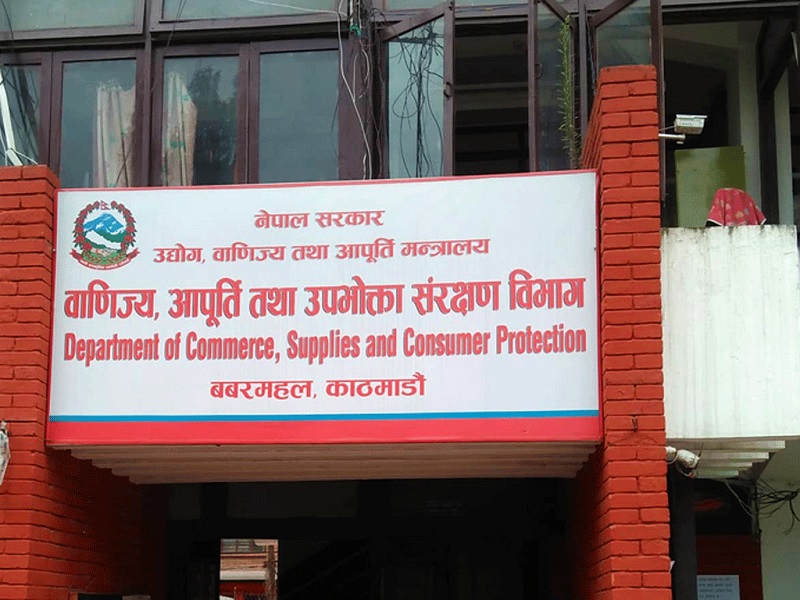
The commercial landscape of Kathmandu has recently seen an uptick in regulatory activity as the Department of Commerce, Supplies, and Consumer Protection (DoCSCP) intensifies its market monitoring efforts. A prominent example of this enforcement is the financial penalty imposed on Carts Enterprises Private Limited.
Carts Enterprises Fine Imposed
During a routine yet systematic inspection conducted across various firms in the capital, authorities identified specific irregularities at Carts Enterprises that warranted a fine of NPR 50,000. This action is not merely an isolated administrative task but a clear signal of the government’s commitment to upholding the standards set forth in the Consumer Protection Act, 2075.
Understanding the Market Inspection Framework
The Department of Commerce operates under a mandate to ensure that the market remains fair, transparent, and competitive. During the specific campaign that led to the fine against Carts Enterprises, a total of 17 firms were closely scrutinized. These inspections are typically unannounced and focus on several key areas of compliance, including the presence of Maximum Retail Price (MRP) labels, the validity of business registrations, the accuracy of weighing and measuring instruments, and the overall quality of goods being sold.
While Carts Enterprises faced a significant financial penalty, it is worth noting that the other 16 firms inspected during the same period were not ignored. Instead of fines, these businesses were issued corrective directives. This balanced approach suggests that the department distinguishes between minor administrative oversights, which can be fixed with a warning and instruction, and more serious violations that require a monetary deterrent. By providing guidance to the majority while penalizing the outliers, the department fosters a culture of compliance rather than just punishment.
The Legal Basis for Enforcement
The fine imposed on Carts Enterprises is rooted in the Consumer Protection Act, 2075 (2018). This comprehensive legislation was designed to modernize Nepal’s approach to consumer rights, succeeding older laws that were less effective in the face of a rapidly evolving economy. The Act guarantees several fundamental rights, including the right to be informed about the quality and purity of products, the right to choose goods at competitive prices, and the right to be protected from deceptive trade practices.
Under the provisions of the Act, the department has the authority to impose on the spot fines for various offenses. These offenses often include:
Advertisement


- Failing to maintain proper records of inventory and sales.
- Selling products past their expiration dates or without clear labeling.
- Engaging in artificial shortages or hoarding to manipulate market prices.
- Refusing to issue valid invoices or bills for transactions.
In the case of Carts Enterprises, the NPR 50,000 fine reflects the severity of the non compliance found at their premises. Such fines are deposited into the government treasury and serve as a vital mechanism for funding continued monitoring activities.
Broader Implications for the Business Community
The enforcement action against Carts Enterprises serves as a deterrent for other businesses across Nepal. It emphasizes that the Department of Commerce is moving toward a zero tolerance policy for activities that undermine consumer trust. In an era where market anomalies like black marketing and price gouging often surface—particularly during high demand festival seasons—consistent monitoring is essential.
For the general public, these actions provide a sense of security. When consumers know that the state is actively inspecting hardware stores, groceries, and department stores, they are more likely to participate in the formal economy. This trust is the foundation of a healthy marketplace. Furthermore, the publication of such fines encourages consumers to be more vigilant and to report suspicious activities through the department’s online and phone based complaint systems.
Strategic Goals of the Department
Beyond immediate penalties, the Department of Commerce has a broader vision for the Nepalese market. By penalizing firms like Carts Enterprises, the authorities aim to promote ethical business practices throughout the country. This includes ensuring that producers and importers are transparent about the ingredients and formulations of their products. As Nepal continues to integrate into the global trade system, aligning local market practices with international consumer protection standards becomes increasingly important.
The department is also working toward establishing specialized consumer courts, as envisioned in the 2075 Act. These courts will eventually provide a more accessible and faster legal remedy for consumers who have been harmed by substandard goods or services. Until these courts are fully operational, administrative fines remain the primary tool for correcting market behavior.
Conclusion
The NPR 50,000 fine imposed on Carts Enterprises Private Limited highlights the ongoing transition of Nepal’s commercial sector toward greater accountability. While the penalty is a setback for the individual firm, it represents a victory for the millions of consumers who rely on the state to ensure the safety and fairness of the marketplace. As the Department of Commerce continues to deploy monitoring teams and enforce the Consumer Protection Act, businesses must recognize that compliance is not optional—it is the baseline for operating in a modern economy.
For More: Carts Enterprises Fine Imposed