Employees Provident Fund Digital Service Expansion in Nepal

27th March 2026, Kathmandu
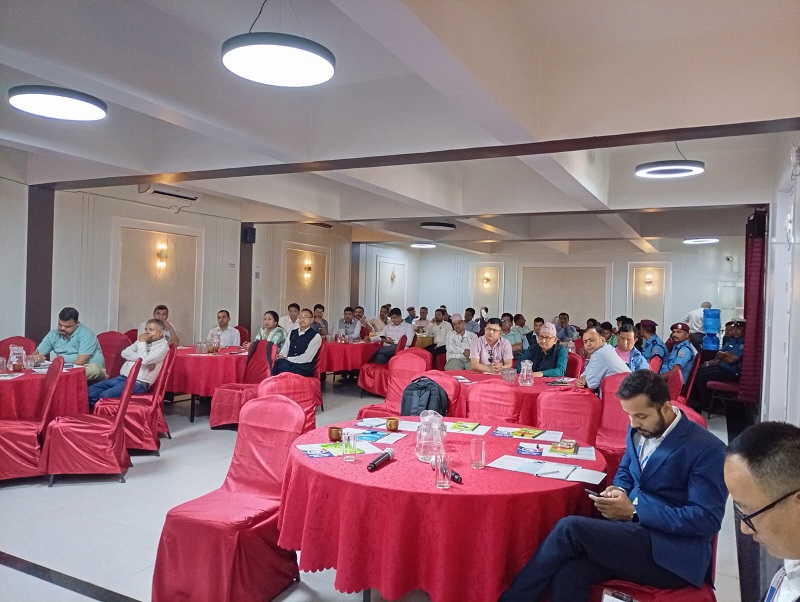
The Employees Provident Fund Digital Service initiative marks a significant step forward in Nepal’s digital governance and public service delivery.
Employees Provident Fund Digital Service
Employees Provident Fund (EPF) Nepal, locally known as Karmachari Sanchaya Kosh, has officially partnered with the Department of National ID and Civil Registration to integrate advanced digital systems for identity verification.
As of late March 2026, this collaboration has entered a high-impact phase, moving toward the goal of “Faceless, Cashless, and Paperless” governance. By leveraging the national identity database, the EPF is modernizing how over 600,000 contributors access their retirement savings, making the process faster, more secure, and entirely location-independent.
Key Agreement Between Government Institutions
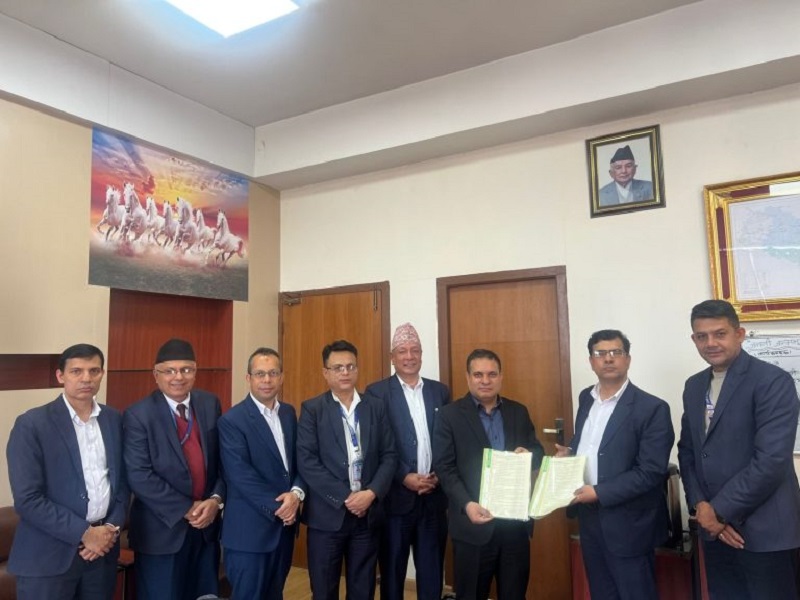
The strategic agreement was signed in Kathmandu by Namraj Ghimire, Director General of the Department of National ID and Civil Registration, and Jitendra Dhital, Administrator of the Employees Provident Fund. This partnership is designed to synchronize the EPF’s internal systems with the National Identity Management Information System (NIMIS).
The primary objective is to allow the EPF to verify the identity of its members in real-time using their National ID numbers. This move follows a similar successful integration by the Health Insurance Board earlier in March 2026, signaling a unified government approach to digital identity in Nepal.
How the Digital Integration Works
Under this expanded Employees Provident Fund Digital Service, identity verification for both new and existing contributors is transitioning to a fully digital model. The system utilizes the biometric and demographic data already stored in the national ID database to authenticate users.
Technical Breakdown:
API Integration: A secure data exchange gateway allows the EPF system to “ping” the National ID database for instant verification.
Biometric Synchronization: Digital thumbprints and photos stored by the Department of National ID serve as the primary source of truth, reducing the need for new biometric captures.
KYC Automation: As of March 23, 2026, the EPF has launched a fully online KYC (Know Your Customer) update process. Contributors can now complete their verification via the EPF portal with an online recommendation from their employer, completely bypassing the need for a physical office visit.
Benefits for Contributors
The Employees Provident Fund Digital Service upgrade provides immediate practical advantages for the Nepalese workforce:
1. Zero Office Visits
The most significant benefit is the elimination of the “physical presence” requirement. Contributors, including those stationed in remote districts or working abroad, can update their records and apply for services from any device with internet access.
Advertisement


2. Rapid Loan Processing
By automating identity verification, the processing time for Special Loans, Home Loans, and Educational Loans is significantly reduced. Real-time verification means that the “approval bottleneck” caused by manual document checking is removed.
3. Fraud Prevention and Security
Integration with a centralized national system dramatically reduces the risk of identity theft or duplicate accounts. The use of a Unique Client Identification Number (UCIN) ensures that every transaction is tied to a verified national identity.
4. Seamless Data Portability
When an employee switches from the private sector to a government role, or vice-versa, their provident fund history can be seamlessly linked through their National ID, ensuring no loss of interest or contribution history.
Contribution to Digital Nepal Framework
The expansion of the Employees Provident Fund Digital Service is a core component of the Digital Nepal Framework 2082. Namraj Ghimire noted during the signing that this integration is essential for reducing the “service delivery gap” between urban and rural citizens.
Administrator Jitendra Dhital emphasized that as a trustee institution managing billions of rupees, the EPF must lead in technology adaptation. This digital shift not only enhances transparency but also reduces long-term operational costs for the fund, which can ultimately lead to better returns for the contributors.
Future Outlook: Beyond KYC
Looking ahead, the Employees Provident Fund Digital Service is expected to evolve into a fully integrated social security dashboard. Future updates may include:
Nagarik App Integration: Deepening the existing link with the Nagarik App to allow one-tap loan applications.
Direct Bank Transfers: Utilizing verified National ID data to ensure that maturity payments and loan amounts are transferred only to validated bank accounts.
Automated Pension Disbursement: For those under the new Contributory Pension Scheme, the system will automate monthly payouts based on verified life certificates processed through the National ID system.
Conclusion
The expansion of the Employees Provident Fund Digital Service represents a major milestone in Nepal’s journey toward a digital economy. By removing physical barriers and integrating with the National ID system, the EPF is providing a model for other public institutions to follow. For the average contributor, this means less bureaucracy and more control over their hard-earned savings.
For More: Employees Provident Fund Digital Service