Employees Provident Fund Loan Warning: Pay Dues Now

2nd April 2026, Kathmandu
The Employees Provident Fund Loan warning has been issued to borrowers who have failed to repay their loan installments on time.
Employees Provident Fund Loan
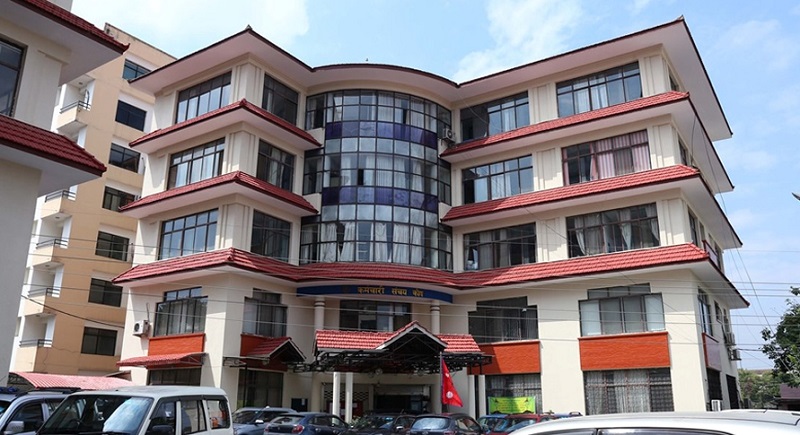
Employees Provident Fund (EPF) Nepal, also known as Karmachari Sanchaya Kosh, has urged all defaulting contributors to clear their outstanding dues within the designated deadline or face strict recovery actions. This notice is specifically targeted at individuals who have utilized various lending schemes against their provident fund or property but have not maintained regular quarterly installment payments.
As the third quarter of the fiscal year 2082/83 comes to a close in April 2026, the EPF is intensifying its efforts to ensure financial discipline among its members. Timely recovery is essential for the fund to maintain liquidity and continue providing competitive returns to its millions of contributors across Nepal.
Who Is Affected by This Notice
According to Employees Provident Fund Nepal, the warning applies to a wide range of credit products. Borrowers who have availed of the following schemes must review their repayment status immediately:
Home Loans: Long-term financing for house construction or purchase.
Educational Loans: Funding provided for higher studies of contributors or their children.
Home Repair Loans: Credit specifically for the maintenance and renovation of existing property.
Simple Loans: Previously categorized as revolving loans for immediate financial needs.
Land Purchase Loans: Financing used specifically for the acquisition of residential plots.
These loans were primarily managed through the EPF Lagankhel office and various provincial branch offices. All borrowers are required to clear their accumulated dues up to the third quarter of 2082/83 by the final day of Chaitra.
Deadline and Legal Consequences of Default
The Employees Provident Fund Loan warning explicitly states that failure to settle installments by the end of Chaitra will trigger formal legal recovery proceedings. These enforcement actions are carried out under the strict provisions of the EPF Loan Recovery Regulation, 2071.
Defaulters may face the following consequences:
Blacklisting: Notification to the Credit Information Bureau (CIB) which restricts future borrowing.
Collateral Auction: Initiation of the process to auction the property used as security.
Additional Penalties: Accrual of penal interest and late fees on the overdue amount.
Deduction from Savings: Offsetting the loan balance directly against the contributor’s provident fund balance.
Advertisement


Interest Discount for Disciplined Borrowers
To encourage a culture of timely repayment, Employees Provident Fund Nepal offers a significant incentive. Borrowers who remain disciplined and pay their installments regularly on a quarterly basis are eligible for a 0.25 percent interest discount. This reward is designed to reduce the overall financial burden on responsible contributors and promote long-term fiscal health.
Easy Digital Payment Options Available
The fund has modernized its collection system to make repayment more convenient. Borrowers no longer need to stand in long queues at the office. Installments can be settled through:
Connect IPS: Direct bank-to-bank transfers.
EPF Mobile Application: The official “Kosh” app for real-time tracking and payments.
Digital Wallets: Integrated services through various mobile banking platforms.
Official Website: Online portal for generating payment vouchers and e-banking.
Additionally, for those making manual deposits into designated EPF bank accounts, vouchers can be scanned and submitted via email to the respective branch for immediate verification and ledger updating.
Mandatory KYC Update for Loan Holders
In tandem with the Employees Provident Fund Loan recovery drive, the EPF has mandated a Know Your Customer (KYC) update. Contributors who have not refreshed their personal and biometric details in the system are requested to visit the nearest EPF office. Failure to maintain an updated KYC profile can lead to complications in loan servicing, interest calculations, and the eventual withdrawal of funds.
Why This Regulatory Action Matters
This warning reflects a broader effort by the government and the EPF board to ensure the sustainability of the national savings pool. As a major financial pillar managing the life savings of civil servants and private sector employees, the EPF must ensure that its loan portfolio remains “performing.” By enforcing these rules, the fund protects the interests of non-borrowing members whose returns depend on the successful recovery of disbursed credit.
Immediate Action Steps for Borrowers
If you have an active loan with the EPF, you should take the following steps before the Chaitra deadline:
Check Status: Log in to the EPF mobile app to view your current outstanding balance.
Verify Dues: Ensure all interest and principal installments for the third quarter are calculated.
Make Payment: Use digital channels to clear the amount before the end of the month.
Confirm Receipt: Save the digital transaction receipt for future reference.
Conclusion
The Employees Provident Fund Loan warning serves as a final call for borrowers to fulfill their financial obligations. With the 2082/83 third-quarter deadline approaching, taking quick action is the only way to avoid legal complications and additional financial penalties. By utilizing the available digital payment tools and acting before the end of Chaitra, borrowers can maintain their creditworthiness and continue to enjoy the various social security benefits provided by the fund.
For More: Employees Provident Fund Loan