The Future of Ride-Sharing in Nepal: Driver Challenges, New Policies, and Earnings in 2026

6th March 2026, Kathmandu
Ride-sharing has transformed from a tech trend into a lifeline for urban mobility in Nepal. With major players like Pathao, InDrive, and Yango dominating the streets of Kathmandu and Pokhara, the sector has become a primary source of employment for thousands.
Future of Ride-Sharing Nepal
However, as of early 2026, the industry faces a crossroads: drivers are calling for better management, and the government is finally moving toward formal regulation.
Is Ride-Sharing a Sustainable Career for Nepalese Youth?
For many young people in Nepal, ride-sharing is the first line of defense against unemployment. It requires low capital, just a bike or a car, and offers the flexibility that traditional 9-to-5 jobs lack.
The Reality of Driver Earnings
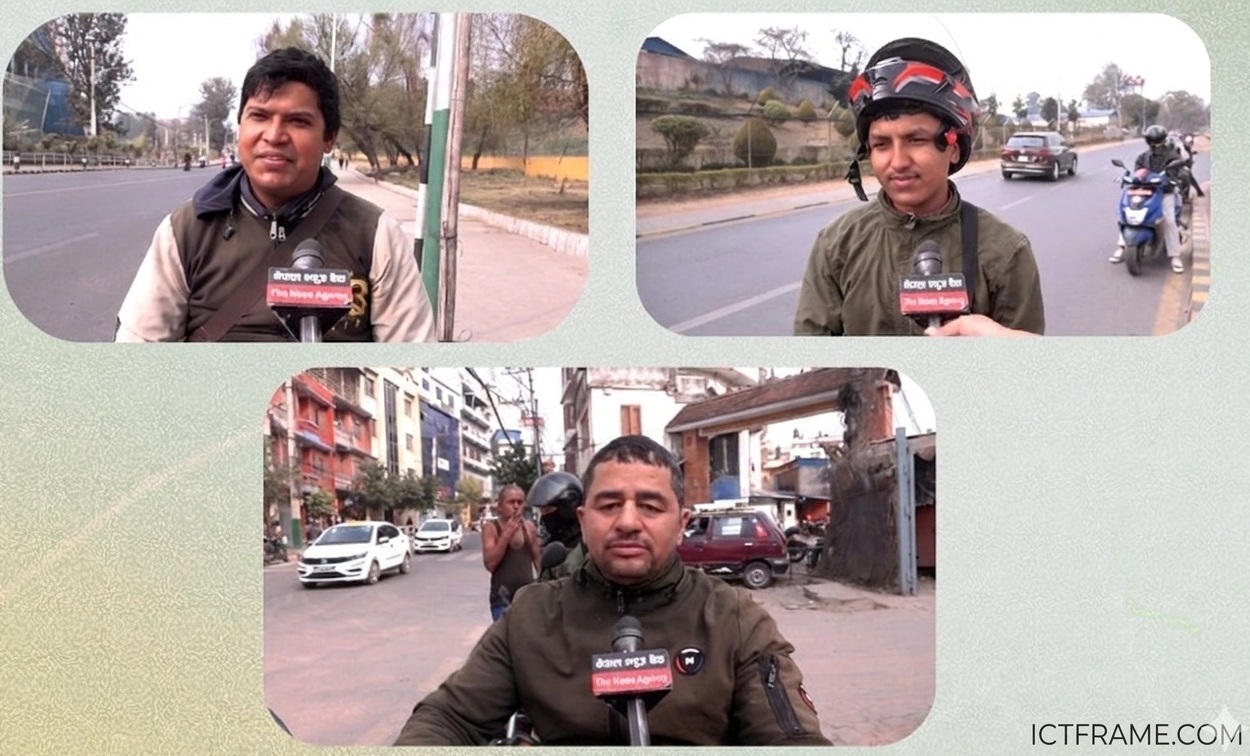
While drivers report that daily earnings are “satisfactory” for basic household needs, the “take-home” pay is under pressure due to:
Skyrocketing Inflation: The cost of living in Kathmandu makes saving difficult.
Operating Costs: High fuel prices and frequent vehicle maintenance eat into profit margins.
Commission Structures: Platforms like Pathao and InDrive have different fee models, often ranging between 12% to 20%, leaving drivers to fight for every rupee.
Key Challenges Facing Ride-Sharing Drivers
Despite the digital convenience, the physical infrastructure hasn’t kept up. Drivers highlighted three major “pain points” currently affecting the industry:
1. The Lack of Pick-up and Drop-off Zones
Unlike public buses or traditional taxis, ride-sharing vehicles have no designated spots. Drivers are often caught in a “cat-and-mouse” game with traffic police while trying to pick up passengers in busy areas like New Road or Kalanki.
2. Surge Pricing vs. Fair Fares
The debate over “Surge Pricing” continues. While passengers complain about high fares during rain or peak hours, drivers argue that the base rate (approx. 20 NPR per km) doesn’t cover the cost of traveling 3 kilometers to reach a customer.
3. Policy Uncertainty
A major concern for Nepalese drivers is the lack of a unified federal law. While Gandaki Province (Pokhara) made history in 2025 by legalizing ride-sharing with its own set of rules, Bagmati Province (Kathmandu) still operates in a legal “gray area.”
Advertisement


New Regulations: What’s Changing in 2026?
The government is moving toward a more structured digital economy. Recent updates suggest that the following mandates are becoming standard:
Mandatory Insurance: Protection for the driver, the passenger, and the vehicle is now a top priority.
Social Security Fund (SSF): There is a growing push to enroll ride-sharing “partners” into the national social security net.
Distance Caps: In provinces like Gandaki, bikes are limited to 20km trips, while cars are capped at 50km.
Expert Insight: “Ride-sharing is no longer a temporary fix; it is a service industry. To thrive, we need a ‘Triple-S’ approach: Safety for passengers, Security for drivers, and Stability in policy.”
Conclusion: A Call for Reform
The ride-sharing revolution in Nepal has solved the problem of “last-mile connectivity,” but it has raised new questions about labor and infrastructure. For the sector to remain a viable employment engine for the Nepalese workforce, the government must prioritize:
-
Dedicated boarding zones in urban centers.
-
A transparent, government-approved fare adjustment formula.
-
Formal legal recognition in Bagmati Province to end the fear of traffic fines.
Are you a rider or a passenger?
What do you think is the biggest problem with ride-sharing in Kathmandu today? Share your thoughts below!
For more: Future of Ride-Sharing Nepal