Gold Price Sharp Drop Shakes Global and Nepal Market

Web Post Zone (1920 x 1080 px) - 241
1st February 2026, Kathmandu
The Nepali precious metals market experienced a historic Gold Price Sharp Drop on February 1, 2026, marking one of the most significant single day corrections in the history of the domestic bullion trade. Following a week of unprecedented rallies that saw the yellow metal cross record thresholds, the Federation of Nepal Gold and Silver Dealers Association (FENEGOSIDA) announced a massive price reduction.
Gold Price Sharp Drop
This sharp correction has sent ripples through the local economy, impacting everything from individual household savings to the operational strategies of major jewelry houses across the country.
Dramatic Price Correction for Hallmark Gold
According to the official rates released on Sunday, the Gold Price Sharp Drop resulted in a decrease of 18,800 rupees per tola. This brought the trading price of hallmark gold down to exactly 300,000 rupees per tola, a psychological support level that analysts are now watching closely. Just days prior, the market had witnessed gold surging toward the 339,300 rupee mark, driven by intense global volatility.
The decline was not limited to hallmark gold. Tejabi gold also saw a parallel reduction, with its price being adjusted to 299,300 rupees per tola. This sudden softening of prices reflects a cooling off period after a parabolic rise that many market experts had labeled as unsustainable in the short term. The domestic market, which typically follows the London Bullion Market Association (LBMA) benchmarks, reacted swiftly to the downward pressure observed in international spot prices.
Silver Prices Mirror the Downtrend
In tandem with the Gold Price Sharp Drop, silver prices in Nepal also underwent a severe correction. The federation reported that silver is now being traded at 5,500 rupees per tola, down significantly from its recent highs of over 7,000 rupees. This decline represents a massive percentage drop for the white metal, which often experiences higher volatility than gold due to its dual status as both an investment vehicle and an industrial commodity.
The synchronized fall in gold and silver prices has created a unique window for retail consumers. In Nepal, where gold is deeply integrated into cultural rites and weddings, such a price dip often triggers a surge in physical demand. Local jewelers in areas like New Road and Naxal have reported an immediate increase in foot traffic as customers look to lock in prices for upcoming festivities.
Global Drivers of the Price Plunge
The Gold Price Sharp Drop in Nepal is a direct consequence of a massive shift in global financial dynamics. Several key factors contributed to the international price crash:
Strengthening of the US Dollar: The US Dollar Index saw a sharp spike following the nomination of Kevin Warsh as the next Federal Reserve Chair. A stronger dollar makes gold more expensive for holders of other currencies, leading to reduced international demand.
Advertisement


Profit Booking: After gold prices hit record highs globally, large institutional investors and hedge funds began aggressive profit booking, liquidating their long positions to lock in gains.
Shift in Interest Rate Expectations: The market has begun pricing in a more hawkish stance from the US central bank, reducing the appeal of non yielding assets like gold compared to interest bearing treasury bonds.
Margin Hikes: International exchanges like the CME Group increased margin requirements for gold and silver futures to curb extreme volatility, forcing some traders to exit their positions.
Implications for the Nepali Economy and Investors
The Gold Price Sharp Drop carries significant weight for the Nepali economy, which relies heavily on imported gold. While the lower prices are beneficial for consumers, they pose challenges for the government in terms of managing the trade deficit. If the lower prices trigger a massive surge in imports, it could put pressure on the country’s foreign exchange reserves.
For local investors who purchased gold at the peak of 339,000 rupees, the current 300,000 rupee rate represents a notable paper loss. However, many seasoned traders in Kathmandu view this as a necessary market correction. Traditionally, gold is a long term hedge against inflation, and short term volatility is expected during periods of global geopolitical shifts.
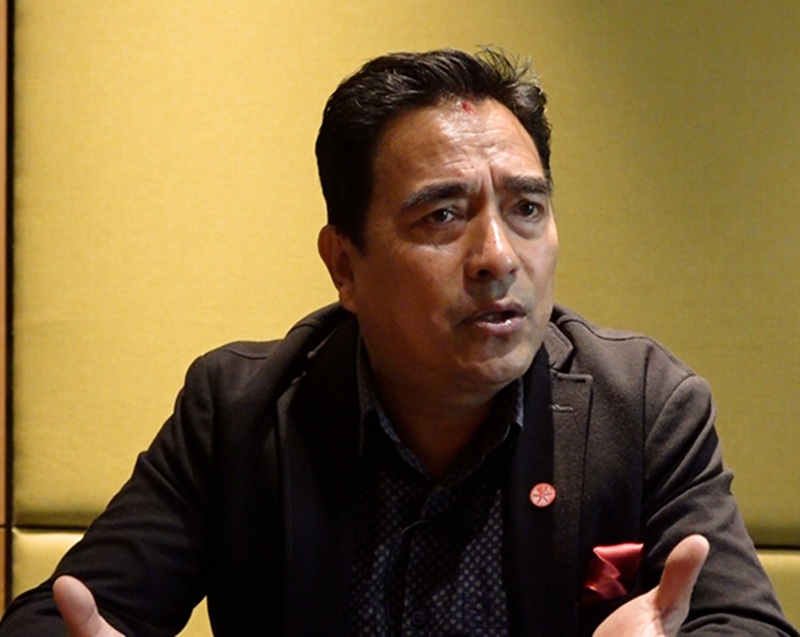
Jewelry industry leaders, including the former president of the federation Tej Ratna Shakya, have advised consumers to avoid panic selling. They emphasize that while the immediate drop is sharp, the long term fundamentals of gold—such as central bank accumulation and safe haven demand during regional conflicts—remain intact.
Looking Ahead: The 2082/83 Market Outlook
As the market enters the remainder of the 2082/83 fiscal year, the trajectory of gold will remain highly sensitive to international developments. Any further shifts in the US Federal Reserve’s policy or escalations in global trade tensions could easily reverse the current downtrend. Investors are advised to monitor the support level of 300,000 rupees; a breach below this point could lead to further technical selling, whereas a strong rebound from this level could signal the start of a new consolidation phase.
In conclusion, the Gold Price Sharp Drop has provided much needed relief to the retail sector while serving as a stark reminder of the risks associated with speculative bubbles. Whether this correction marks the end of the recent bull run or simply a temporary pause remains to be seen, but for now, the Nepali market is enjoying a period of renewed activity at more accessible price points.
For More: Gold Price Sharp Drop