Current Energy Crisis: A Historic Opportunity to End Fossil Fuel Dependency, Says Expert Kushal Gurung

7th April 2026, Kathmandu
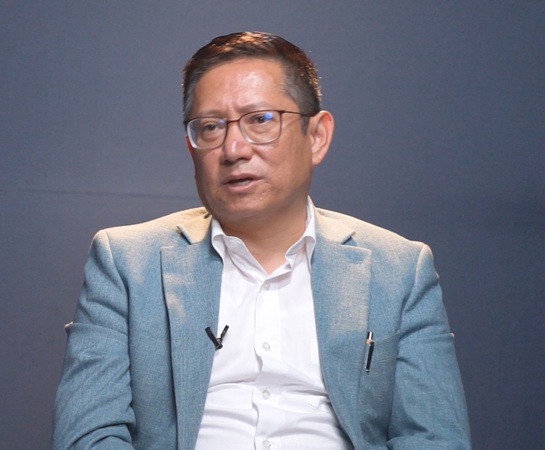
As geopolitical tensions between Iran and Israel cause significant fluctuations in global fuel prices, energy expert and entrepreneur Kushal Gurung believes Nepal stands at a crossroads.
Historic Opportunity End Fossil Fuel
Rather than viewing the current situation solely as a crisis, Gurung argues it is a “historic opportunity” for Nepal to break its paralyzing reliance on imported petrol, diesel, and LP gas.
In an exclusive dialogue with ICT FRAME Magazine, Gurung, the founder of WindPower Nepal and a specialist in carbon management, shared his vision for a self-reliant, green energy future for the nation.
Breaking the Dependency Cycle
For decades, Nepal’s economy has been vulnerable to global oil shocks. With petrol prices recently crossing Rs 200 per liter, Gurung emphasizes that the “load-shedding” of the past should have been a lesson. Yet, the country remains 80% dependent on thermal and imported energy for total consumption.
“This is more than a crisis; it is a call to action to break our chains and take a policy leap toward renewables,” Gurung stated.
The Roadmap to Electric Cooking
While 70% of urban Nepalese households depend on imported LP gas, the transition to induction cooking faces two critical “bottlenecks” that require urgent government intervention:
Infrastructure Upgrades: Nearly 50% of domestic consumers still use 5-ampere meters, which are insufficient for electric stoves. Gurung advocates for a nationwide shift to at least 15-ampere connections.
Smart Subsidy Reform: Gurung criticized the current “20 units free” model, noting it fails to incentivize high consumption. He proposes a 50% discount for up to 50 units, making induction cooking cheaper than gas even for low-income families.
Advertisement


Diversifying the Energy Mix: Beyond Hydropower
Nepal currently has an installed capacity of nearly 4,500 MW, yet during the dry season, production plummets to just 1,500 MW, forcing the country to import electricity from India. Gurung suggests a 20-25% energy mix to ensure year-round security:
Solar Power: With a potential of 450,000 MW, solar projects are faster to deploy than hydro. Gurung recommends moving from “Net Metering” to a “Feed-in Tariff” model, allowing citizens to sell excess solar power directly to the grid.
Wind & Biomass: High-velocity areas like Mustang are ideal for wind energy. Gurung notes that one modern turbine can produce 6-7 MW, requiring far less land than solar farms.
Waste-to-Energy: Implementing the “Polluter Pays Principle” in metropolitan cities could turn urban waste into thermal energy or biogas for local consumption.
Electrifying Transportation
As a pioneer in green tech, Gurung insists that the electrification of public and private transport is no longer optional. He recommends:
Mandatory EV Procurement: Amending the Public Procurement Act to ensure all new government vehicles, school buses, and ambulances are electric.
Charging Infrastructure: Requiring every petrol pump to install DC Fast Charging stations to sustain the momentum that has already made Nepal a regional leader in EV adoption.
For more: Historic Opportunity End Fossil Fuel