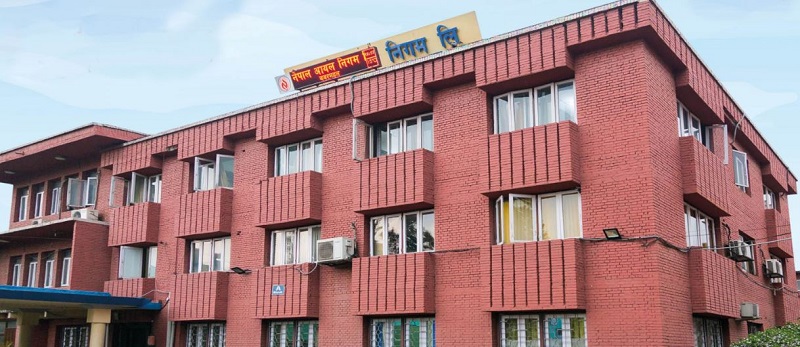
IPPAN Proposes Cooperation with Nepal Electricity Authority on Power Trading and Transmission Line Construction

19th December 2025, Kathmandu
The Independent Power Producers Association of Nepal which is widely known as IPPAN has recently put forward a transformative proposal for cooperation with the Nepal Electricity Authority or NEA. This proposal focuses on two critical pillars of the energy sector which are electricity trading and the construction of vital transmission lines. During a high level meeting held between the leadership of IPPAN and the Managing Director of the NEA Hitendra Dev Shakya the private sector expressed its readiness to take on a more active role in developing the national grid.
IPPAN NEA Cooperation Proposal
This meeting marks a significant shift in the dynamic between the state owned utility and private power producers as both parties recognize that the ambitious energy goals of Nepal cannot be met without a unified approach.
PRIVATE SECTOR INVESTMENT IN TRANSMISSION LINE INFRASTRUCTURE
One of the primary bottlenecks in the energy sector of Nepal has been the lack of adequate transmission infrastructure. While many hydropower projects have been completed or are nearing completion the electricity they produce often cannot reach the consumers due to the absence of high voltage lines. IPPAN President Ganesh Karki highlighted that this shortage has caused significant challenges for power producers who face the risk of wasted energy. To address this the private sector has proposed a model where they can directly invest in the construction of transmission lines. This would not only alleviate the financial burden on the NEA but also speed up the completion of projects that are currently stalled due to budget constraints.
The proposal suggests that the private sector is ready to collaborate with the NEA on joint construction efforts. Some projects where the private sector and the NEA are already working together are nearing completion and IPPAN believes this model should be replicated across the country. By allowing private companies to build and manage these lines under the supervision of the NEA the country can rapidly expand its grid capacity and ensure that every megawatt of power produced is successfully delivered to the market.
STRENGTHENING POWER TRADING THROUGH JOINT VENTURES
In addition to infrastructure development IPPAN has proposed a bold new model for power trading. Currently the NEA holds a dominant position in the trading of electricity but the private sector is eager to participate in both domestic and international markets. IPPAN has requested that the private sector be allowed to become shareholders in the power trading company established by the NEA. This move would create a stronger and more diversified entity capable of negotiating cross border power sales with neighboring countries like India and Bangladesh.
IPPAN President Ganesh Karki noted that while private companies are still waiting for formal licenses to trade power independently they can begin their participation by working within the framework of the NEA trading subsidiary. This collaborative approach would help maintain a balance between electricity production and consumption. Managing Director Shakya responded positively to this idea stating that involving the private sector in power trading is essential for the long term sustainability of the energy market. He confirmed that the NEA will study the possibility of private sector participation to make the power trading company more active and efficient.
Advertisement


ADDRESSING TECHNICAL AND REGULATORY CHALLENGES
The meeting also served as a platform for IPPAN to raise several urgent technical and regulatory issues that have been hindering the growth of private power producers. One of the most significant demands was the immediate reopening of Power Purchase Agreements or PPAs. For several years the NEA had limited the signing of new PPAs for certain types of projects which created uncertainty in the investment climate. IPPAN is now calling for these agreements to be resumed to encourage new project development.
Furthermore the association demanded an extension of the Required Commercial Operation Date or RCOD deadlines. Many projects have faced delays due to the global pandemic and subsequent supply chain disruptions and the private sector is seeking flexibility to ensure these projects remain viable. Other demands included the removal of contingency provisions and the abolition of hydrology penalties. Hydrology penalties are particularly controversial as they penalize producers when water levels are lower than predicted which is often a result of climate change and factors beyond the control of the project operators. Addressing these issues would significantly improve the ease of doing business in the energy sector.
THE RESPONSE FROM THE NEPAL ELECTRICITY AUTHORITY
Managing Director Hitendra Dev Shakya acknowledged the capacity and the dedication of the private sector in contributing to the national energy goals. He admitted that the shortage of transmission lines is currently the most pressing issue facing the authority. He stated that when the NEA faces its own budget constraints mobilizing private investment is a logical and necessary step to address the infrastructure gap. He also noted that joint construction projects have already shown that the private sector can complete these complex tasks on time and within budget.
Shakya also emphasized that the NEA is working to make its power trading company more active. The inclusion of private sector expertise and capital could provide the necessary boost to expand the reach of the company. The NEA management has promised to conduct a detailed study on the models through which the private sector can be involved in both transmission lines and trading activities. This cooperative spirit suggests a move toward a more liberalized and efficient energy market where the public and private sectors work hand in hand.
CONCLUSION AND FUTURE OUTLOOK FOR THE ENERGY SECTOR
The proposed cooperation between IPPAN and the NEA represents a landmark moment for the economic development of Nepal. As the country aims to transition toward a green economy and increase its exports of clean energy the synergy between state resources and private enterprise is vital. By solving the transmission bottleneck and opening up trading opportunities Nepal can ensure a stable supply of electricity for its citizens while generating significant foreign exchange through exports. The commitment shown by both IPPAN leadership and the NEA management provides a positive outlook for the coming years.
If these proposals are implemented we can expect to see a surge in energy infrastructure projects across the country. The removal of regulatory hurdles like hydrology penalties and the resumption of PPAs will likely attract more domestic and foreign investment into the hydropower sector. This collaborative model could serve as a blueprint for other sectors of the economy demonstrating that the path to sustainable development lies in strong partnership and mutual cooperation.
For More: IPPAN NEA Cooperation Proposal