
Kathmandu Air Quality Very Unhealthy as Pollution Levels Rise

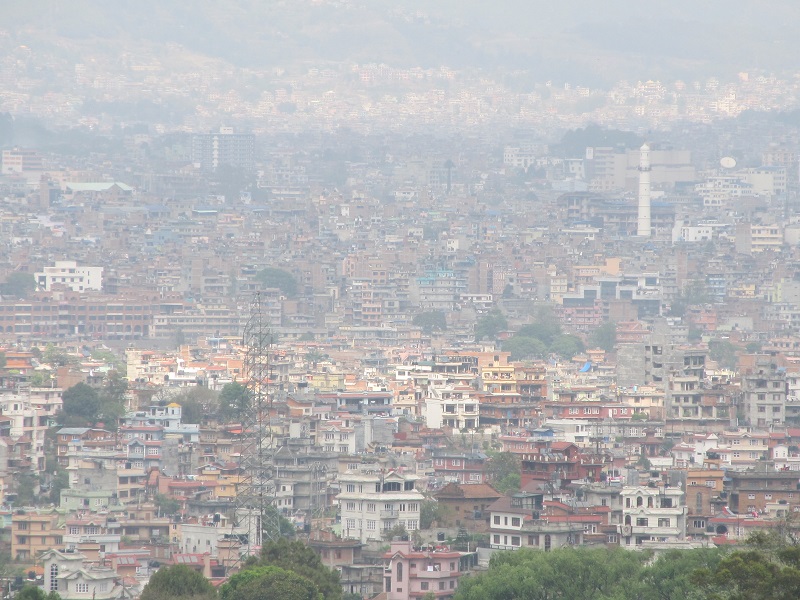
Looking down into Kathmandu from Bhagbhairab Temple, Kirtipur
10th March 2026, Kathmandu
Kathmandu has recently experienced a significant deterioration in atmospheric conditions, with the Air Quality Index (AQI) surging past the 200 mark. According to real-time data from March 10, 2026, the capital has ranked as the second or third most polluted city globally, trailing only behind major hubs like Delhi. The Ministry of Health and Population has issued an urgent advisory as the concentration of fine particulate matter (PM2.5) has reached nearly 25 times the safety limits recommended by the World Health Organization (WHO).
Kathmandu Air Quality
The current pollution crisis is largely attributed to a combination of stagnant weather patterns and seasonal environmental factors. A prolonged dry spell and the absence of winter rainfall have allowed pollutants to accumulate within the bowl-shaped topography of the Kathmandu Valley. Furthermore, a spike in forest fires in surrounding districts, coupled with transboundary haze, has significantly increased the volume of smoke and dust in the air. Urban emissions from older vehicles and ongoing construction activities continue to be major contributors to the valley’s hazardous haze.
Health experts, including Ministry spokesperson Dr. Prakash Budhathoki, have warned that such high levels of air pollution can lead to serious health complications. Prolonged exposure can adversely affect the respiratory and cardiovascular systems, increasing the risk of asthma, chronic cough, heart disease, and even certain types of cancer. Individuals with pre-existing conditions, pregnant women, children, and senior citizens are particularly vulnerable and have been urged to avoid outdoor exposure whenever possible.
To mitigate the health risks associated with this “very unhealthy” air quality, residents are advised to adopt the following safety measures:
Limit Outdoor Activities: Avoid heavy exercise or prolonged outdoor exposure, especially during the morning and evening when pollutants are more concentrated near the ground.
Wear Protective Masks: If you must go outside, use N95 or equivalent masks that can effectively filter out fine particulate matter.
Advertisement


Maintain Indoor Air Quality: Keep windows and doors closed to prevent outdoor pollutants from entering living spaces.
Stay Hydrated: Drinking plenty of water can help the body flush out toxins and reduce the severity of respiratory irritation.
Monitor Local AQI: Stay updated with real-time pollution levels through official environmental monitoring platforms or mobile apps.
Meteorologists suggest that while the current situation is severe, a forecast of thunderstorms and wind toward the end of the week may help disperse the trapped pollutants. However, until a significant weather change occurs, the “very unhealthy” conditions are expected to persist. Public health authorities continue to emphasize the importance of individual precautions to prevent a surge in pollution-related hospitalizations.
In conclusion, the current air quality crisis in Kathmandu is a reminder of the intersection between seasonal environmental changes and urban pollution challenges. By following the recommended safety guidelines, residents can significantly reduce their exposure to harmful pollutants. As the city waits for natural dispersal through wind and rain, collective awareness remains the primary defense against the health impacts of severe air pollution.
For More: Kathmandu Air Quality