
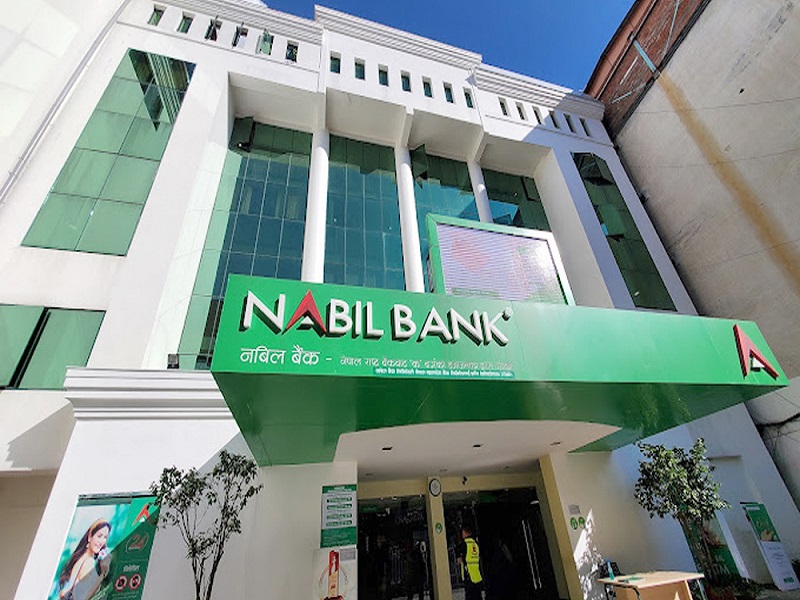
Nabil Bank Allots Non-Convertible Non-Cumulative Preference Shares

19th December 2025, Kathmandu
Nabil Bank Limited has officially completed the allotment of its highly anticipated Nabil 8 Percent Non Convertible Non Cumulative Preference Shares which carry a total value of 5 billion Nepalese Rupees. This historic financial move involved the allotment of 50 million units of preference shares with each share carrying a par value of 100 Nepalese Rupees. The successful completion of this process marks a pivotal moment in the history of the banking sector in Nepal as it introduces a sophisticated capital market instrument that was previously unavailable to domestic institutions.
Nabil Bank Non-Convertible Shares
Following the formal approval from the Securities Board of Nepal, which is the primary regulatory body for the securities market, the bank finalized the allotment on the first day of the month of Poush in the year 2082. These shares were specifically designated for institutional investors and were issued through a private placement method, also known as the circular method. This approach allowed the bank to invite detailed proposals from qualified institutional entities, ensuring that the capital was raised from stable and long term sources.
The introduction of these shares is the result of recent policy changes made by both the Nepal Rastra Bank and the Securities Board of Nepal. Nabil Bank has distinguished itself by becoming the first commercial bank in the country to receive official permission to issue this specific type of preference share. These non convertible and non cumulative instruments represent a departure from traditional debt or equity products. They are perpetual in nature, meaning they do not have a fixed redemption date, and they provide a fixed dividend of 8 percent only in the years when the bank reports a distributable profit. Because they are non cumulative, if the bank is unable to pay a dividend in a particular year, the shareholders do not have the right to claim those missed payments in the future.
This financial instrument is classified as Additional Tier 1 capital under the capital adequacy framework established by the central bank. By successfully raising 5 billion rupees through this issue, Nabil Bank has significantly strengthened its core capital base. A stronger Tier 1 capital ratio enhances the ability of the bank to absorb potential losses and increases its overall risk bearing capacity. This is particularly important in the current economic environment where banks are under pressure to maintain high capital levels while continuing to provide credit to the productive sectors of the economy.
Advertisement


The strategic importance of this issuance cannot be overstated. For Nabil Bank, the addition of this capital provides the necessary headroom to expand its loan portfolio and pursue new business opportunities without being constrained by the minimum capital requirements. From a broader perspective, the success of this issue sets a precedent for other commercial banks in Nepal. It proves that there is a strong appetite among institutional investors for innovative financial products that offer a steady return while helping to stabilize the national financial system.
Investors who participated in this private placement are primarily large institutions such as insurance companies, provident funds, and other financial entities that seek long term income streams. Unlike ordinary shares, these preference shares do not carry voting rights in the general meetings of the bank, ensuring that the existing control structure remains intact while the capital base grows. Furthermore, at the time of any hypothetical dissolution of the company, these shareholders would have priority over ordinary shareholders but would remain behind depositors and other creditors.
The Securities Board of Nepal has monitored the entire issuance process to ensure that it adheres to the highest standards of transparency and corporate governance. The involvement of the board and the central bank in creating the necessary legal framework shows a commitment to modernizing the capital markets of Nepal. As the first bank to utilize this tool, Nabil Bank has once again demonstrated its leadership and its ability to adapt to new regulatory landscapes.
In conclusion, the allotment of the Nabil 8 Percent Non Convertible Non Cumulative Preference Shares is a landmark achievement for Nabil Bank Limited. It successfully combines the need for robust capital management with the desire for innovative investment products in the Nepalese market. As the bank moves forward with this strengthened financial position, it is well placed to support the economic development goals of the country and deliver value to its stakeholders.
For More: Nabil Bank Non-Convertible Shares