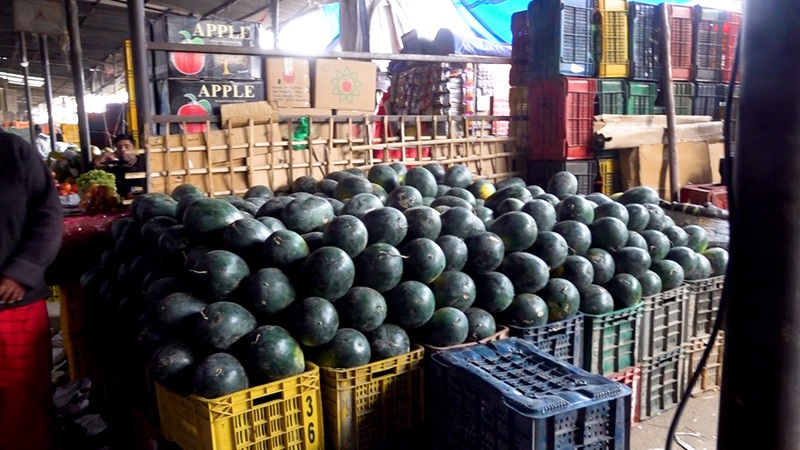
Nepal Fruits Wholesale Business Association, Warns of Market Collapse Amid Banana Import Ban

12th April 2026, Kathmandu
The Nepalese fruit market is facing an unprecedented crisis as banana prices surge by over 40% within a single year. Ammar Baniya, President of the Nepal Fruits Wholesale Business Association, has raised a serious alarm over the government’s “short-sighted” policies, which he claims are crippling the industry and draining the national treasury.
Nepal Fruits Wholesale Business Association President
Surging Prices and Revenue Loss
According to the latest data from the Kalimati Fruits and Vegetables Market Development Board, the wholesale price of bananas has jumped from NPR 150 per dozen last year to NPR 210 today.
In retail markets, consumers are being forced to pay between NPR 250 and NPR 300.
Ammar Baniya, President of the Nepal Fruits Wholesale Business Association, stated that the state is losing approximately NPR 5 million daily in revenue due to the halt in legal imports.
The fruit sector, which contributes more than NPR 280 million annually to the government, is now on the verge of collapse.
The “TR-4” Ban: A Practical Failure?
The government recently restricted Indian banana imports, citing the risk of ‘TR-4’ (Panama Disease). However, Baniya argues that this ban is being used as a pretext during a season when domestic production is nearly non-existent.
“When bananas were imported legally, they underwent strict pesticide and quarantine testing. Today, due to the ban, bananas are being smuggled illegally through ‘settings’ without any health checks,” said Baniya.
Impact on Consumers and Small Traders
As the head of the association, Ammar Baniya highlighted the following critical issues:
Advertisement


Supply Shortage: Kathmandu Valley alone consumes about 200 tons of bananas daily, a demand that local production currently cannot meet.
Health Risks: Smuggled fruit bypasses laboratory testing, posing a significant risk to public health.
Economic Burden: The artificial scarcity has turned a common man’s fruit into a luxury item, hitting low-income families and small vendors the hardest.
A Call for Scientific Agricultural Policy
Ammar Baniya, President of the Nepal Fruits Wholesale Business Association, clarified that the association fully supports local farmers.
However, he emphasized that a total ban during the off-season without adequate local supply is irrational.
The Association has been seeking a meeting with the Minister of Agriculture for over 10 days to discuss a scientific import calendar, but their requests have reportedly been ignored.
Conclusion
The current standoff between the government and fruit wholesalers threatens to leave market shelves empty within the next 48 hours.
Ammar Baniya urges the government to move beyond “desk-based decisions” and adopt a policy that balances the protection of local farmers with the food security and economic interests of the Nepalese people.
For more: Nepal Fruits Wholesale Business Association President