Nepal Mediciti Breast Health Awareness at US Embassy

27th February 2026, Kathmandu
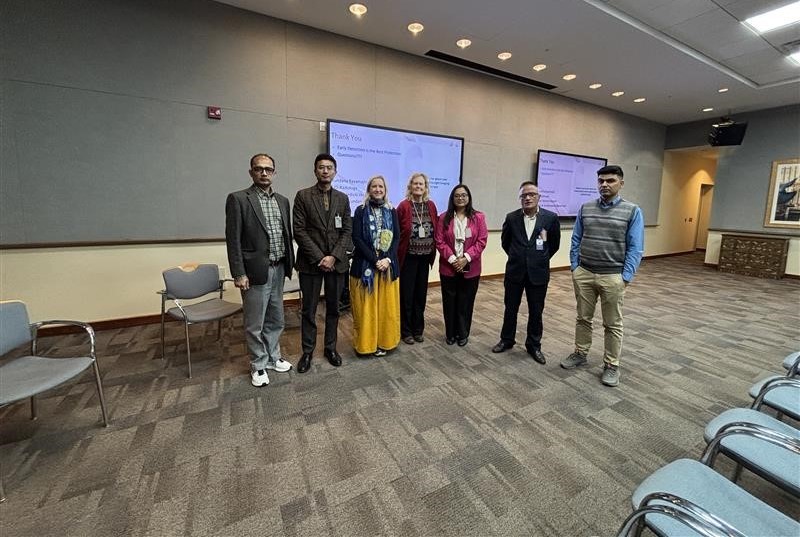
The healthcare sector in the Federal Democratic Republic of Nepal has reached a significant milestone in community outreach as Nepal Mediciti Hospital officially conducted a specialized Breast Health Awareness Session at the U S Embassy in Kathmandu. This strategic partnership between a leading private healthcare institution and a major diplomatic mission underscores the growing importance of preventive medicine in the year 2082. As breast cancer remains a leading cause of morbidity among women globally and within the South Asian region, the Nepal Mediciti Breast Awareness program was designed to dismantle misconceptions, encourage clinical screening, and promote the vital importance of early detection. By bringing world class oncological expertise directly to the embassy community, Nepal Mediciti is setting a high standard for corporate health responsibility and public health advocacy.
Nepal Mediciti Breast Health
The awareness session was led by a team of highly specialized clinicians, including Dr Aagan Krishna Shrestha, an Oncoplastic Breast Surgeon, and Dr Kundana Rayamajhi, a Breast Imaging Specialist. The presence of these experts ensured that the participants received evidence based medical information that aligns with current international protocols. During the Nepal Mediciti Breast Awareness seminar, the doctors focused on the dual pillars of awareness: recognizing physical changes through self-examination and utilizing advanced diagnostic tools. Dr Shrestha emphasized that oncoplastic surgery allows for effective cancer removal while maintaining the aesthetic integrity of the breast, which is a significant psychological relief for patients. Meanwhile, Dr Rayamajhi detailed the technological advancements in breast imaging that allow for the detection of abnormalities long before they become palpable.
One of the central themes of the Nepal Mediciti Breast Awareness session was the identification of early warning signs. Participants were educated on how to spot subtle changes such as skin dimpling, nipple discharge, or unusual lumps. The medical experts clarified that while not all changes are cancerous, every persistent change requires a professional medical evaluation. In the year 2082, the accessibility of high resolution imaging in Nepal means that women no longer have to wait for symptoms to manifest before seeking care. The session provided a clear roadmap for routine screening, recommending regular mammograms for women starting at age 40, or earlier for those with a family history of the disease. This proactive approach is the most effective strategy for reducing the mortality rate associated with breast cancer in the country.
The importance of early detection cannot be overstated in the context of oncological care. When breast cancer is diagnosed in its initial stages, the treatment options are more numerous, less invasive, and have a significantly higher success rate. The Nepal Mediciti Breast Awareness initiative highlighted that early diagnosis often allows for breast conserving surgeries rather than total mastectomies, which has a profound impact on a woman’s long term quality of life and mental well being. By educating the staff and community members at the U S Embassy, the hospital is creating a ripple effect where informed individuals can share this life saving knowledge with their families and social circles, thereby increasing the health literacy of the broader population in Kathmandu.
Advertisement


Promoting preventive care also involves addressing the lifestyle factors and risk variables that contribute to breast health. During the session, the experts discussed the role of genetics, hormone replacement therapy, and physical activity in influencing cancer risk. While some factors like age and family history are non modifiable, the Nepal Mediciti Breast Awareness program encouraged participants to focus on what they can control, such as maintaining a healthy weight and limiting alcohol consumption. This holistic view of health empowerment is essential for a modernizing society like Nepal, where the transition to a more sedentary lifestyle has led to an increase in non communicable diseases. The hospital commitment to health literacy ensures that women are equipped to make informed choices every day, not just when they are in a clinical setting.
The choice of the U S Embassy as a venue for this awareness drive is also strategically significant. Diplomatic missions host a diverse workforce that includes both local and international professionals. By conducting the Nepal Mediciti Breast Awareness session in such a high profile environment, the hospital is demonstrating its ability to meet international healthcare communication standards. It also reflects the hospital’s broader mission to engage with institutional partners to improve the health outcomes of the workforce. Healthy employees are more productive and resilient, and programs like these serve as a model for other large organizations in Nepal to prioritize the wellness of their female staff members through regular health seminars and facilitated screening packages.
Beyond the immediate session, Nepal Mediciti Hospital continues to be a leader in the field of oncology and women’s health in the Federal Democratic Republic of Nepal. The hospital houses one of the most advanced cancer centers in the country, equipped with state of the art linear accelerators for radiation therapy and dedicated oncology wards. The Nepal Mediciti Breast Awareness campaign is just one facet of a year round effort to provide comprehensive care. From initial screening and biopsy to complex surgery and chemotherapy, the institution offers a seamless continuum of care. This integrated approach is vital for ensuring that once an abnormality is detected during an awareness session, the patient has immediate access to the necessary follow up treatments without having to travel abroad.
In conclusion, the Nepal Mediciti Breast Health Awareness session at the U S Embassy represents a gold standard in clinical outreach and preventive health education in 2082. By combining the expertise of oncoplastic surgeons and imaging specialists, the program provided participants with the knowledge and confidence to take charge of their breast health. The emphasis on early detection, regular screening, and healthy lifestyle choices is a powerful message that has the potential to save countless lives. As Nepal Mediciti Hospital continues to expand its community health programs, it remains a beacon of medical excellence and social responsibility. The success of this session underscores the fact that in the fight against cancer, awareness is the first and most important line of defense. Through continued education and proactive medical engagement, the future of women’s health in Nepal looks increasingly bright and secure.
For More: Nepal Mediciti Breast Health