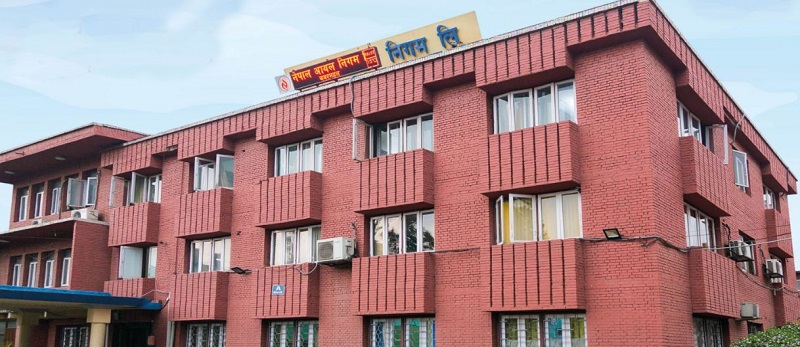
Nepal Oil Corporation Request To Avoid Gas Hoarding

12th March 2026, Kathmandu
The Nepal Oil Corporation (NOC) has issued a formal request urging the public to avoid unnecessary hoarding of Liquefied Petroleum Gas (LPG) and petroleum products.
Nepal Oil Corporation Request
This advisory comes amid reports of intermittent cooking gas shortages in various parts of the country, particularly within the Kathmandu Valley, during the first quarter of 2026.
Reasons Behind the Hoarding Advisory
The primary driver of these shortages, according to both the NOC and industry experts, is panic-driven purchasing behavior rather than an actual supply deficit. Several key factors have contributed to this situation:
Panic Buying: Rumors of potential shortages—often exacerbated by periods of political activity, such as the general elections held in March 2026—have led many households to purchase extra cylinders, creating an artificial spike in demand that the normal distribution network cannot instantly accommodate.
Logistical Disruptions: Earlier in the year, maintenance work at the Barauni refinery in India and seasonal logistical challenges caused temporary delays in the supply chain. While those specific issues were largely resolved, the psychological impact on consumers has persisted.
Market Misinformation: Discrepancies between official NOC claims of sufficient stock and the on-the-ground reality experienced by consumers—where some retail depots reported empty stocks—fueled public anxiety and further encouraged hoarding.
Middle East Geopolitical Tensions: Global concerns regarding fuel supply chains have periodically heightened sensitivity around essential commodity availability, leading to preemptive stockpiling.
Current Supply Status
As of March 2026, the NOC maintains that the national LPG supply chain is stable. The corporation has stated that imports from India, Nepal’s sole supplier, are proceeding in accordance with established quotas and are sufficient to meet the nation’s monthly requirements. To mitigate local shortages, the NOC has increased the delivery of gas bullets and coordinated with industry bottlers to prioritize household supplies over commercial outlets.
Transitioning to Electric Cooking
To reduce long-term dependency on imported LPG, the NOC and government bodies are actively promoting the use of electricity for household cooking. Nepal’s significant hydropower capacity makes electric cooking a cleaner, domestically sourced alternative.
Benefits of transitioning to electric cooking include:
Advertisement


Economic Savings: For many households, switching from LPG to electric induction stoves can lead to significant monthly savings on cooking expenses.
Energy Security: Increased reliance on electricity reduces the national trade deficit by lowering the volume of imported fossil fuels.
Environmental Impact: Electric cooking reduces reliance on traditional biomass and fossil fuels, contributing to better indoor air quality and lower household carbon footprints.
Guidelines for Consumers
The NOC has issued the following directives to ensure fair distribution and market stability:
Purchase only what you need: Households are advised to refrain from refilling additional cylinders if they already have sufficient supply.
Report Irregularities: Consumers are encouraged to report dealers who are engaging in black-marketing, refusing to refill old cylinders while selling new ones, or charging prices above the government-fixed rate.
Verify Information: Rely on official updates from the Nepal Oil Corporation rather than unsubstantiated social media rumors.
Utilize Official Channels: If you face a genuine refusal of service at a retail depot, contact the NOC customer care services or the relevant bottling plants directly to file a complaint.
By cooperating with these distribution guidelines and shifting toward locally produced electricity for energy needs, consumers can help stabilize the market and ensure that essential cooking fuel remains accessible to all households.
For More: Nepal Oil Corporation Request