Restoring Private Sector Confidence in Nepal: The Hemraj Dhakal Vision for FNCCI 2026

24th March 2026, Kathmandu
As the Federation of Nepalese Chambers of Commerce and Industry (FNCCI) approaches its 60th Annual General Meeting on Chaitra 28-29, 2082 (April 11-12, 2026), the central theme of the election has become clear: Restoring Private Sector Confidence.
Restoring Private Sector Confidence in Nepal
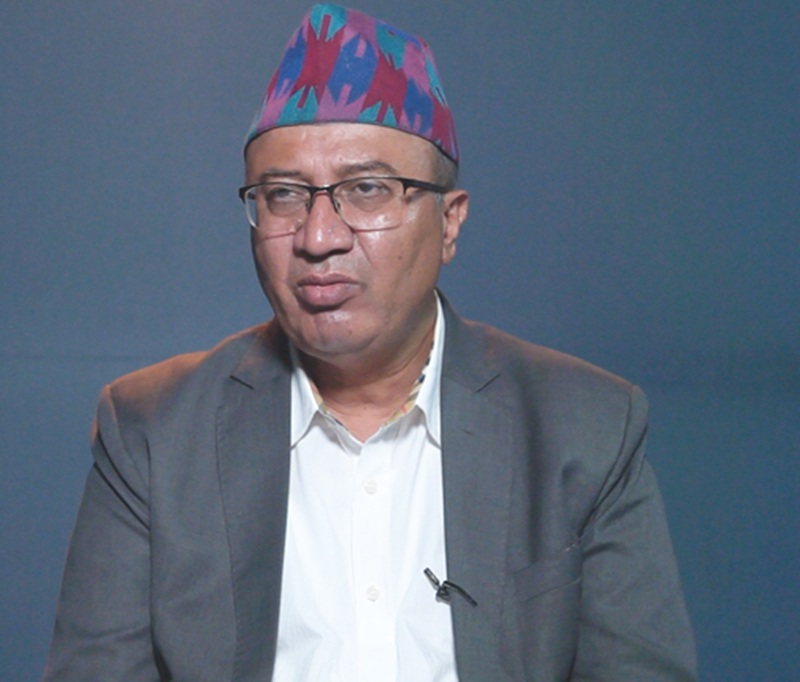
With the Nepali economy navigating a complex recovery following the youth-led unrest of 2025 and a prolonged period of policy uncertainty, current Vice President Hemraj Dhakal has stepped forward as a candidate for Senior Vice President.
His campaign is centered on a “Second-Phase Economic Reform” package designed to transform the current “macroeconomic stability without business confidence” paradox into a thriving, investment-led growth engine.
The Confidence Crisis: Why Nepal’s Economy is in Limbo
Despite high foreign exchange reserves (approaching $22 billion) and ample liquidity in the banking system, the private sector remains hesitant. Key challenges include:
The “Blacklist” Epidemic: Over 200,000 entrepreneurs are currently blacklisted, stifling small and medium enterprises (SMEs).
Credit Stagnation: While deposits have grown, private sector credit expansion remains well below targets as businesses avoid new debt.
Outdated Tax Frameworks: High customs duties on raw materials and a rigid VAT system have increased the cost of doing business.
Hemraj Dhakal’s Roadmap for Reform
Hemraj Dhakal’s platform addresses these structural bottlenecks through four strategic pillars:
1. Implementation of the Credit Recovery Act
Dhakal has identified the lack of a functional Credit Recovery Act as a major barrier. By creating clear legal procedures for debt resolution, his leadership aims to provide a “second chance” to honest entrepreneurs, allowing them to reintegrate into the formal economy and restart stalled projects.
2. Transition to a Digital, “Faceless” Economy
To combat corruption and bureaucratic delays, Dhakal advocates for a Digital Nepal initiative inspired by successful international models.
Single-Window System: A unified digital portal for all business approvals and monitoring.
Advertisement


Transparency: Reducing physical interaction with government officials to minimize “hidden costs” and speed up service delivery.
3. Scientific Tax and Policy Reform
A key priority for the Dhakal panel is the Second-Phase Economic Reform package. This includes:
Multi-Rate VAT: Moving away from the current rigid structure to a more scientific, multi-rate system that reflects the diverse needs of different sectors.
Policy Predictability: Working with the incoming two-thirds majority government to ensure that economic policies remain stable for a full five-year cycle, protecting investors from “regime-change risk.”
4. Unlocking Sectoral Potential: Agriculture and Tourism
Dhakal proposes bold shifts in land use and infrastructure:
Forest-Land Leasing: Utilizing a portion of Nepal’s 47% forest cover for commercial, large-scale farming to achieve food self-sufficiency.
Tourism Targets: Expanding the capacity of Nepal Airlines and fully operationalizing international airports to reach a target of 5 million tourists annually.
Bridging the Gap: Experience Meets Youth
By positioning himself as a candidate with “Easy Access,” Hemraj Dhakal aims to bridge the gap between the government and the grassroots business community
His panel emphasizes that for the 81% of the economy contributed by the private sector to flourish, the government must move from being a regulator to a facilitator.
As the election draws near, the message from the Dhakal camp is loud and clear: Macroeconomic indicators are just numbers; the real growth begins only when the private sector regains the confidence to invest.