Reviving Nepal’s Auto Sector: NAIMA Proposes 80% Financing to Boost Revenue and Liquidity

20th February 2026, Kathmandu
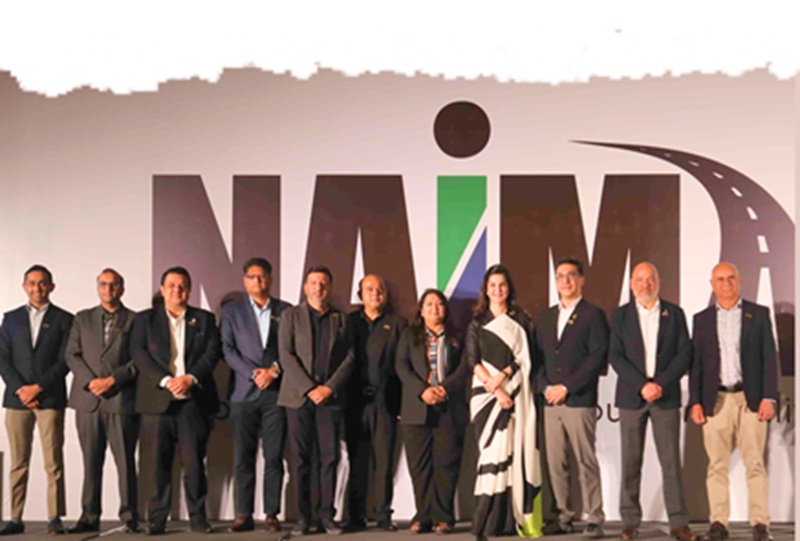
In a strategic move to combat the ongoing stagnation in the automotive industry, the Nepal Automobile Importers and Manufacturers Association (NAIMA) has formally appealed to the Nepal Rastra Bank (NRB) and the Ministry of Finance to revise the current loan-to-value (LTV) ratio for vehicle hire-purchase loans.
Reviving Nepal’s Auto Sector
NAIMA is advocating for an increase in the LTV limit from the existing 60% to a maximum of 80% for all categories of vehicles.
Why the 60% LTV Limit is Hindering Growth
According to NAIMA, the current financing restriction is a primary bottleneck for Nepalese consumers. With a 60% cap, buyers are required to provide a 40% down payment upfront, a high threshold that has significantly dampened consumer purchasing power.
The association points out that this slowdown is not just an industry problem but a national economic concern. The auto sector is a cornerstone of government revenue, contributing heavily through:
-
Customs Duties
-
Excise Duties
-
Value Added Tax (VAT)
Advertisement


A decline in vehicle sales directly translates to a shortfall in the national treasury, making policy intervention a necessity for economic stability.
Capital Mobilization Amid High Liquidity
The Nepalese banking system is currently experiencing a period of excess liquidity. NAIMA argues that increasing the LTV ratio to 80% is the most practical way to mobilize this idle capital into the economy.
Key Arguments for the 80% Ratio:
Low Risk for Banks: Hire-purchase loans are secured by the vehicle itself and paid in structured installments, making them one of the safest lending segments for financial institutions.
Job Creation: The auto industry supports a massive ecosystem of service centers, spare parts dealers, insurance companies, and logistics providers.
Economic Multiplier: Increased vehicle sales stimulate ancillary industries, creating both direct and indirect employment opportunities for thousands of citizens.
“Mobility for All”: A Vision for Policy Reform
Aligning with their mission of “Mobility for All,” NAIMA has reiterated that personal and commercial mobility are essential drivers of a developing economy. By easing the path to vehicle ownership, the government can foster a more dynamic and connected marketplace.
The association has pledged to continue its advocacy and coordination with the government to ensure that policy reforms reflect the current market realities of 2026.
For more: Reviving Nepal’s Auto Sector