SEBON Employees Protest Pen Down Resumes Over Ministry Letter

13th March 2026, Kathmandu
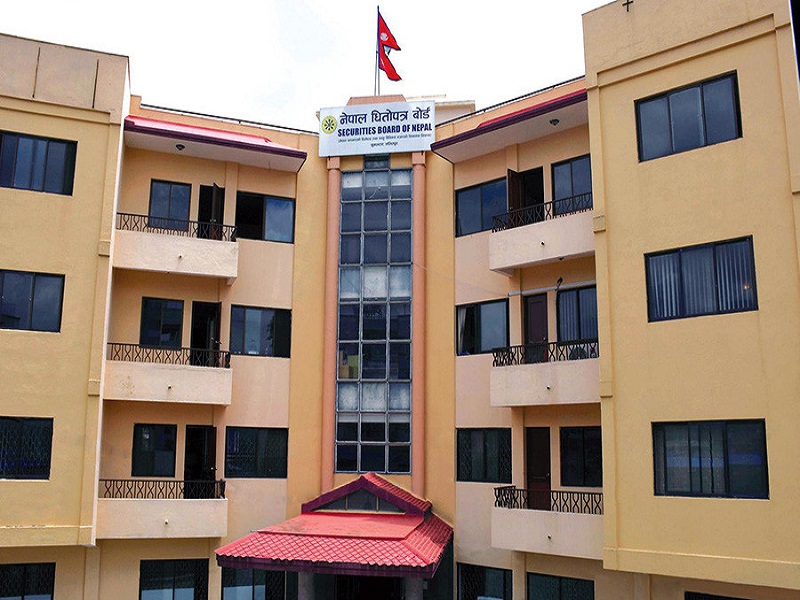
Employees at the Securities Board of Nepal (SEBON) have officially resumed their protest and pen-down strike, reigniting a long-standing dispute regarding a controversial directive issued by the Ministry of Finance.
SEBON Employees Protest
After a temporary suspension enforced by the election code of conduct, staff members from the board’s two primary employee unions have returned to staging daily one-hour sit-ins and work stoppages. The movement highlights a deepening divide between the regulatory body’s workforce and the administrative oversight provided by the ministry.
The Roots of the Dispute
The conflict centers on a formal letter issued by the Ministry of Finance on Ashoj 2. Employees argue that this directive, which pertains to administrative policies and internal management, undermines the institutional autonomy of SEBON. The joint staff association and employee union have expressed significant concerns that the ministry’s interference disrupts the board’s ability to act as an independent regulator for Nepal’s capital market.
Protest Strategy: The Pen-Down Program
The resumed industrial action is characterized by a “pen-down” strategy:
Daily Timing: A one-hour sit-in demonstration conducted within the SEBON office premises.
Administrative Impact: During this hour, all official regulatory and administrative work is halted.
Goal: The strike serves as a symbolic pressure tactic, intended to force the Ministry of Finance to revoke the disputed letter.
Advertisement


Regulatory and Market Implications
As the primary regulator of the Nepal Stock Exchange (NEPSE) and all market participants, SEBON’s stability is critical to investor confidence. A prolonged internal conflict raises questions about the board’s capacity to:
Process IPO approvals and regulatory filings in a timely manner.
Implement new policy measures to stabilize the securities market.
Maintain high standards of corporate governance within the regulatory body itself.
While the current protest is limited to one hour per day, preventing a complete shutdown of operations, any escalation of these tactics could lead to significant backlogs in critical financial oversight tasks.
Moving Forward: The Path to Resolution
The protesting employees have maintained a firm stance, declaring that the industrial action will continue indefinitely until their demands for the withdrawal of the ministry’s letter are met. The situation is being closely watched by financial sector experts and industry stakeholders who fear that continued instability within the regulatory body could signal policy uncertainty.
The resolution of this deadlock likely rests on a negotiated settlement between the representatives of the SEBON staff and officials at the Ministry of Finance. For now, the capital market remains in a state of cautious observation, awaiting clear signals that the dispute will be resolved without further disrupting the regulatory environment.
For More: SEBON Employees Protest