World Meteorological Day 2026: Bibhuti Pokharel on Nepal’s Climate Challenges

23rd March 2026, Kathmandu
As the world commemorates World Meteorological Day, Nepal joins the global community in highlighting the urgent need for climate action.
World Meteorological Day 2026
Established in 1950 to mark the creation of the World Meteorological Organization (WMO), this day serves as a critical reminder of how weather, climate, and the water cycle transcend national borders.
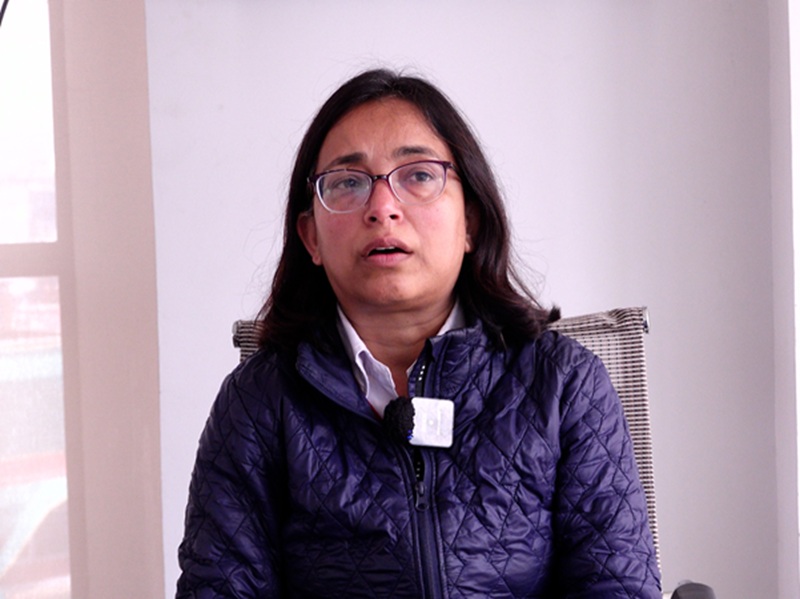
In an exclusive technical briefing with ICT FRAME, Senior Meteorologist Bibhuti Pokharel discussed the evolving landscape of weather science, the rising risks of extreme weather, and the unique challenges of forecasting in the Himalayas.
Climate Change: Rising Temperatures and Extreme Risks
Nepal is currently witnessing a significant shift in its climatic patterns. According to Pokharel, the impacts of global warming are no longer theoretical; they are visible in the increasing frequency of “extreme weather events.”
“We are seeing a consistent rise in temperatures across the region,” Pokharel noted. “This shift increases the probability of unpredictable and violent weather patterns, making long-term planning essential for disaster risk reduction.”
The Science Behind the Forecast: How Nepal Predicts Weather
While many imagine weather forecasting as a daily task, the Department of Hydrology and Meteorology (DHM) operates on a sophisticated seasonal scale.
Seasonal Outlooks: Nepal currently issues specialized 6-month forecasts for the Monsoon and Winter seasons rather than a single annual prediction.
Data Integration: Forecasters analyze data from observation centers spread across the country, utilizing satellite imagery and modern numerical models to track atmospheric changes.
Technological Sharing: Because weather is a matter of “life and property,” Nepal benefits from global data-sharing networks, allowing local meteorologists to access high-level international technology.
Geographical Challenges: Why Nepal’s Weather is Hard to Predict
Forecasting in Nepal is uniquely difficult compared to flatter nations. The drastic transition from the low-lying Terai plains to the Himalayan peaks creates microclimates that can defy standard models.
Complex Topography: A forecast for one valley might not apply to the next ridge over.
Advertisement


Resource Constraints: Expanding high-tech weather stations into remote, high-altitude terrain is expensive and requires significant manpower and financial investment.
Modernizing Public Safety: SMS Alerts and IVR Systems
To bridge the gap between scientific data and public safety, the Department is rolling out new communication strategies. In addition to social media and radio updates, Nepal is moving toward:
Direct SMS Alerts: Reaching farmers and travelers in high-risk zones.
IVR (Interactive Voice Response): Allowing citizens to call in for real-time weather updates.
Advanced Warning Systems: Providing earlier lead times for thunderstorms, hailstorms, and lightning.
The Agricultural Impact: A Double-Edged Sword
Pokharel emphasized that while rainfall is vital for Nepal’s agrarian economy and water resources, it often comes with “collateral risks.” Heavy rain accompanied by hailstones, windstorms, and lightning can devastate crops and endanger lives.
The goal of modern meteorology in Nepal is to maximize the benefits of rainfall while minimizing the tragedy caused by its extremes.
Key Takeaways for a Climate-Resilient Nepal
Stay Informed: Follow official DHM updates via SMS and social media.
Understand the Risks: Recognize that “extreme weather” is becoming the new normal.
Support Innovation: Investment in localized weather technology is crucial for protecting lives and infrastructure.
For more: World Meteorological Day 2026