Foreign Employment Entrepreneurs Welcome Government Decision to Reduce Medical Examination Fees

23rd December 2025, Kathmandu
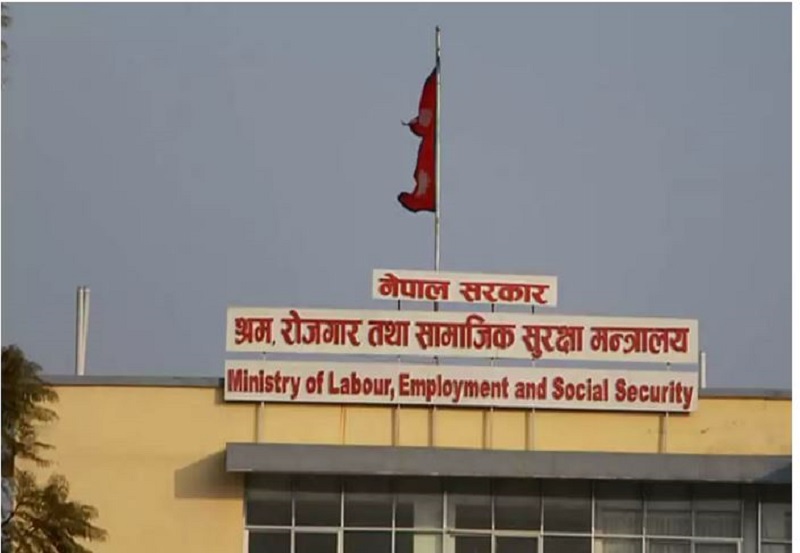
In a major move aimed at reducing the financial burden on Nepalese citizens seeking employment abroad the Ministry of Labour Employment and Social Security has officially decided to scrap the recent hike in medical examination fees. This decision which was finalized on Poush 4, 2082 has been widely welcomed by foreign employment entrepreneurs and migrant workers alike.
Medical Examination Fees Reduction
The government move effectively restores the medical test fee to its previous rate of 6,500 rupees overturning a controversial increase that had pushed the cost up to 9,500 rupees just a few weeks prior. This policy shift is seen as a victory for those advocating for the rights and welfare of laborers who form the backbone of the Nepalese economy through their remittances.

CHRONOLOGY OF THE CONTROVERSIAL FEE HIKE
The issue began on Kartik 30 2082 when the Ministry of Labour under the previous leadership decided to implement a new medical testing standard. This new protocol expanded the number of mandatory health tests to 34 different types, including various blood tests and screenings for occupational diseases. Along with the expansion of test, the fee was standardly fixed at 9,500 rupees for all destination countries. The government had initially justified this increase by claiming that a more comprehensive health checkup would ensure that workers do not face health-related deportations or medical emergencies while working in foreign lands. However, the move faced immediate and intense opposition from various stakeholders who argued that the 3,000 rupee increase was an unnecessary tax on the poor.
INTERVENTION BY THE LABOUR MINISTER ON MIGRANTS DAY
The reversal of the fee hike was publicly announced during a program marking International Migrants Day which is observed annually on December 18. Labour Minister Rajendra Singh Bhandari addressed the concerns of the public stating that the government had realized the increased fee was excessively high and not in the best interest of the workers. Minister Bhandari emphasized that the government primary goal is to facilitate safe and affordable migration rather than creating financial hurdles. Following his announcement the ministry issued a formal press release on Poush 4 confirming that the previous fee structure of 6,500 rupees would remain in effect and that health institutions have been instructed to stop charging the inflated rates immediately.
Advertisement

REACTION FROM FOREIGN EMPLOYMENT ENTREPRENEURS
The Nepal Association of Foreign Employment Agencies led by its President Bhuvan Singh Gurung has hailed the government decision as a commendable and necessary step. According to Gurung the previous decision to mandate 34 different medical tests was fundamentally flawed because most destination countries do not require such an extensive list of examinations. He argued that imposing a uniform and high fee for all workers regardless of their destination country requirements was both unjustified and unfair. Entrepreneurs believe that by reverting to the 6,500 rupee fee the government has demonstrated its willingness to listen to the grievances of the private sector and the migrant worker community.
IMPACT ON MIGRANT WORKERS AND THE RURAL ECONOMY
The reduction in fees provides immediate relief to the hundreds of thousands of Nepalis who apply for foreign employment every year. For many workers coming from rural backgrounds even an additional 3,000 rupees can be a significant amount often borrowed at high interest rates from local moneylenders. By keeping the costs manageable the government is helping to ensure that migration remains a viable path for economic improvement for many families. This decision aligns with the broader national theme of “Good Governance across the Labour Migration Cycle” which seeks to make the migration process safer more decent and more skillful for all participants.
STRENGTHENING REGULATORY OVERSIGHT OF HEALTH INSTITUTIONS
With the restoration of the 6,500 rupee fee the Ministry of Labour has also warned health institutions against arbitrary fee collection. The ministry spokesperson Pitambar Ghimire clarified that any agency or medical center found charging more than the prescribed rate will face strict legal action. The government intends to closely monitor the 171 shortlisted health institutions that are authorized to conduct these tests. The focus will now shift toward ensuring that the quality of the 6,500 rupee package remains high and that workers receive accurate medical reports that are accepted by foreign employers and embassies without any issues.
CONCLUSION AND LONG TERM VISION
The decision to revert the medical examination fees marks a significant turning point in the government’s approach to migration management in 2082. It reflects a balance between the need for quality health screening and the reality of the financial constraints faced by migrant workers. As Nepal continues to send a large portion of its workforce to the Gulf Cooperation Council countries and Malaysia maintaining low entry costs is crucial for the sustainability of the remittance model. Moving forward the government is expected to work on further reforms including the implementation of the “Free Visa-Free Ticket” policy and the digitization of health records to make the entire process more transparent and worker-friendly.
For More: Medical Examination Fees Reduction