Pokhara–Jomsom Air Service Suspended for Three Months

26th December 2025, Kathmandu
In a move that highlights the seasonal challenges of high altitude travel in Nepal, private airline companies have announced the suspension of regular flights between Pokhara and Jomsom for a period of three months.
Pokhara–Jomsom Flights Suspended
This decision, finalized in Poush 2082, comes as the winter season settles into the Mustang region, leading to a significant drop in tourist arrivals and increasingly unpredictable weather patterns. Jomsom, which serves as the gateway to the sacred Muktinath temple and the wider Mustang area, is known for its extreme wind and snow during the winter months, making aviation safety a top priority for domestic carriers.

REASONS BEHIND THE SEASONAL FLIGHT SUSPENSION
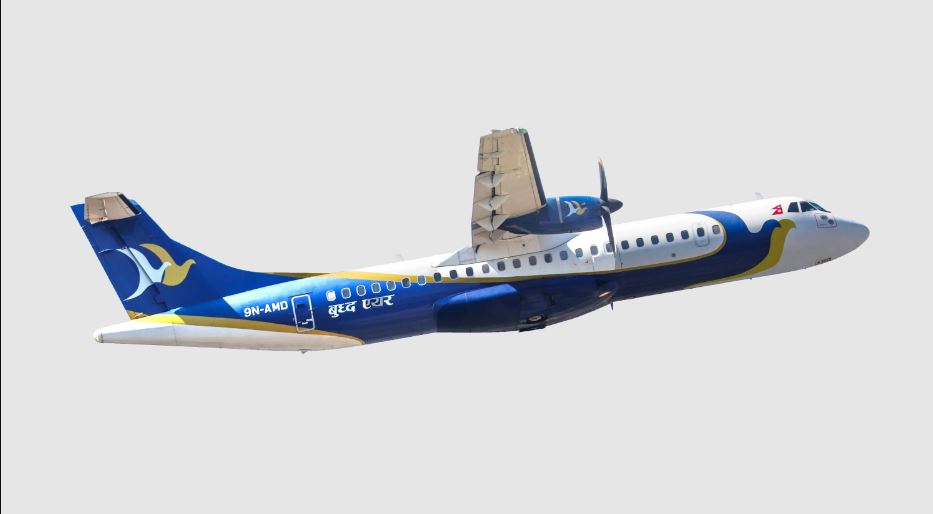
According to Deepak Pokharel, the Chief of the Civil Aviation Office in Jomsom, the suspension is primarily driven by three factors: unfavorable weather, the risk of heavy snowfall, and the arrival of the tourist off season. During the winter, the Pokhara Jomsom flight path, which passes through deep gorges and between high Himalayan peaks, becomes particularly dangerous due to fog and high velocity winds that typically pick up after mid morning. Airlines such as Tara Air and Summit Airlines, which are the main operators on this route, have decided that maintaining a regular schedule is no longer feasible or safe during this period.
OPERATIONAL TIMELINES FOR TARA AIR AND SUMMIT AIRLINES
Tara Air has provided a specific timeline for its suspension, with Mustang Station In charge Suchan Lalchan informing the public that flights will be halted from December 4 until March 1. This three month gap covers the coldest part of the year when the ground in Mustang often remains frozen. Similarly, Summit Airlines has announced a suspension for two months. These airlines often use this downtime to perform intensive maintenance on their STOL (Short Take Off and Landing) aircraft, which are subjected to harsh conditions throughout the busy autumn and spring trekking seasons.
Advertisement

EMERGENCY SERVICES AND CHARTER FLIGHTS REMAIN AVAILABLE
While regular scheduled flights for the general public have been paused, the Civil Aviation Office has clarified that the region will not be completely cut off from the air. Chief Pokharel stated that charter flights and emergency helicopter services will continue to operate as needed. These services are vital for medical evacuations or for the transport of essential supplies should road blockages occur. Helicopters are generally more versatile in varying weather conditions compared to fixed wing aircraft, allowing for a limited but necessary aerial link to the remote district during the winter hiatus.
IMPACT OF IMPROVED ROAD CONNECTIVITY ON AIR TRAVEL
A significant factor contributing to the decline in air passenger demand is the continuous improvement of the Benighat Jomsom Korala road. In the past, flying was often the only reliable way to reach Jomsom quickly. However, with the road becoming increasingly accessible and the quality of the highway improving, more travelers are choosing to drive or take buses. This road provides a cheaper alternative to the relatively expensive air tickets and is less susceptible to minor weather delays that would otherwise ground a flight. The shifting preference toward road travel has made it less economically viable for airlines to operate flights during the low demand winter months.
WINTER CHALLENGES IN THE MUSTANG REGION
Mustang during the winter is a place of stark beauty but extreme hardship. Strong winds, often reaching speeds that can toss small aircraft, are a daily occurrence in the Kali Gandaki valley. These winds typically start in the late morning, which is why almost all flights to Jomsom are scheduled for the early hours of the day. Snowfall can also block the runway at Jomsom airport for days at a time. The suspension of air service reflects the reality of life in the trans Himalayan region, where human activity must often bow to the dictates of nature during the coldest months of the year.
CONCLUSION AND FUTURE OUTLOOK FOR TOURISM
In conclusion, the three month suspension of the Pokhara Jomsom air service is a strategic and safety oriented decision by Nepal’s private airlines. While it may pose a minor inconvenience for winter travelers, it ensures that resources are managed efficiently during the off peak season. As the road network continues to develop, the dynamics of travel to Mustang will likely keep evolving, with air travel becoming a more specialized service. For now, the region waits for the spring thaw in March, when the skies will once again clear, and regular flights will resume to welcome the next wave of pilgrims and trekkers.
For More: Pokhara–Jomsom Flights Suspended